Washington loves to declare that it will rein in presidential war-making. Then the roll call starts, the caucus counts noses, and the grand vow turns into a headcount problem.
What You Should Know
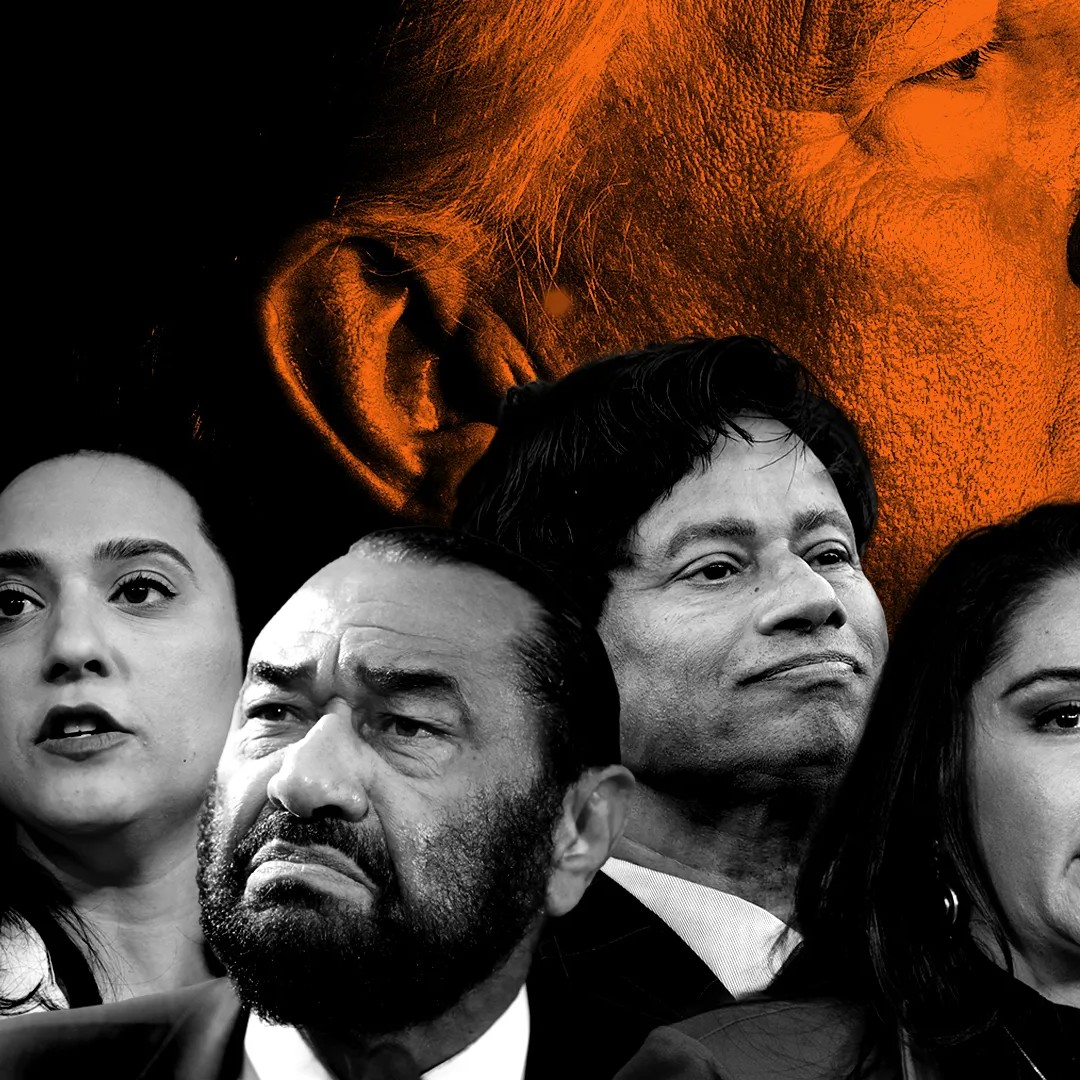
Democrats forced a vote aimed at limiting President Trump’s ability to take military action involving Iran without Congress. The measure failed, undercutting a public push to reassert Congress’s constitutional war powers.
The vote, reported by Axios, landed in the familiar collision zone: a White House that prefers maximum flexibility, lawmakers who say they want oversight, and party leaders who rarely love handing the other side a talking point.
Democrats Tried to Box Trump In on Iran
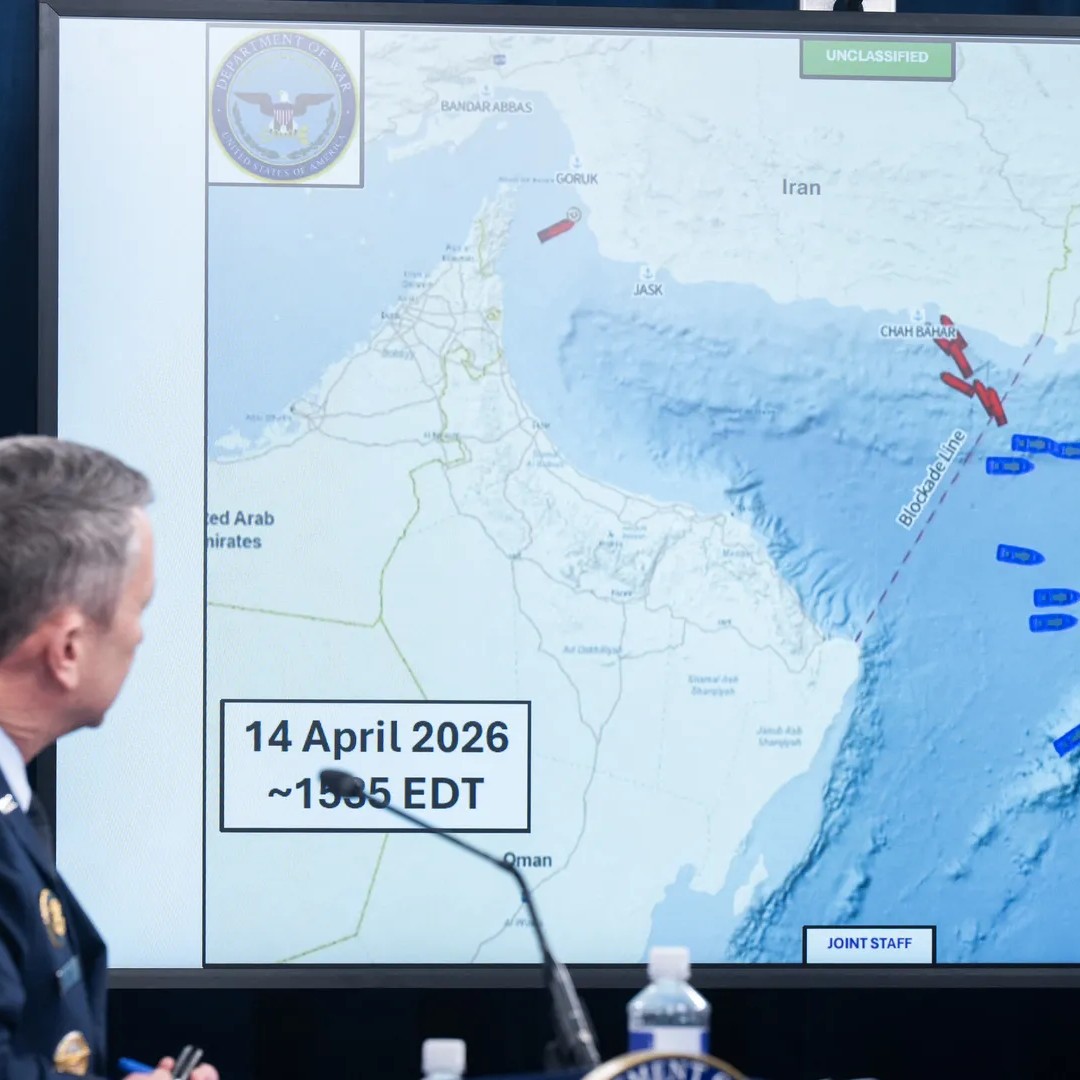
The basic pitch was simple: if the United States is going to slide toward hostilities with Iran, Congress should have to sign off. Backers framed it as a constitutional check, not a commentary on any single strike, briefing, or headline.
However, the vote failed, with most Republicans opposing and not enough Democrats sticking with the effort to get it over the line. That gap is the story because war powers votes are supposed to be Congress’s flex, not an instant demonstration of how quickly unity can evaporate.
The Law Says Congress Has a Role, the Politics Often Say Otherwise
The War Powers Resolution of 1973 was enacted to require consultation and to set a clock when presidents deploy U.S. forces into hostilities or situations that could escalate into hostilities. Its stated purpose is to ensure that the “collective judgment” of Congress and the president applies to decisions that can become wars.
In practice, administrations of both parties have argued over what counts as “hostilities” and how far commanders-in-chief can go under Article II. Congress, meanwhile, has often preferred signaling votes to hard limits that could force responsibility for whatever happens next.
Why This Loss Still Raises the Stakes
For Democrats, a failed war-powers vote creates an awkward split-screen. Publicly, many lawmakers insist Trump should not have a freer hand with Iran than any other president. On the floor, the coalition was not strong enough to make that insistence binding.
For Republicans, the incentives run the other direction. A party that frequently talks about congressional authority has also been willing to grant wide latitude when the president is their president, especially on national security, where message discipline is treated like a weapon.
What to watch next is less the rhetoric and more the mechanics: whether a revised resolution, a must-pass defense bill amendment, or a different procedural route can survive leadership pressure and the fear of owning the consequences of escalation. Until then, the loudest check on Trump will remain political, not legal.