

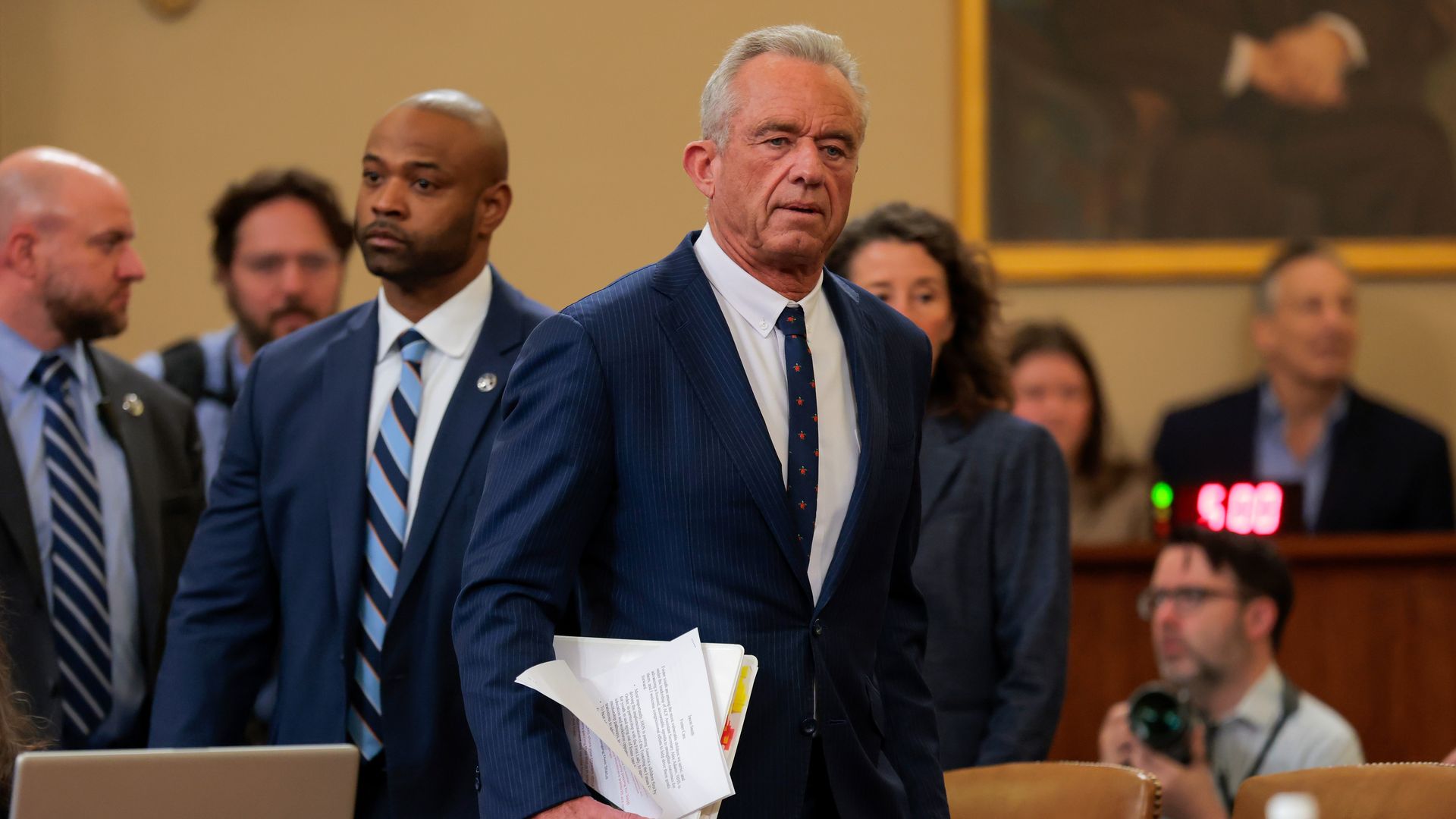
RFK Jr walked into House hearings with a brand built on rebellion and suspicion. According to Axios, Democrats treated the room like a courtroom, and the real target was not his tone. It was his record.
What You Should Know
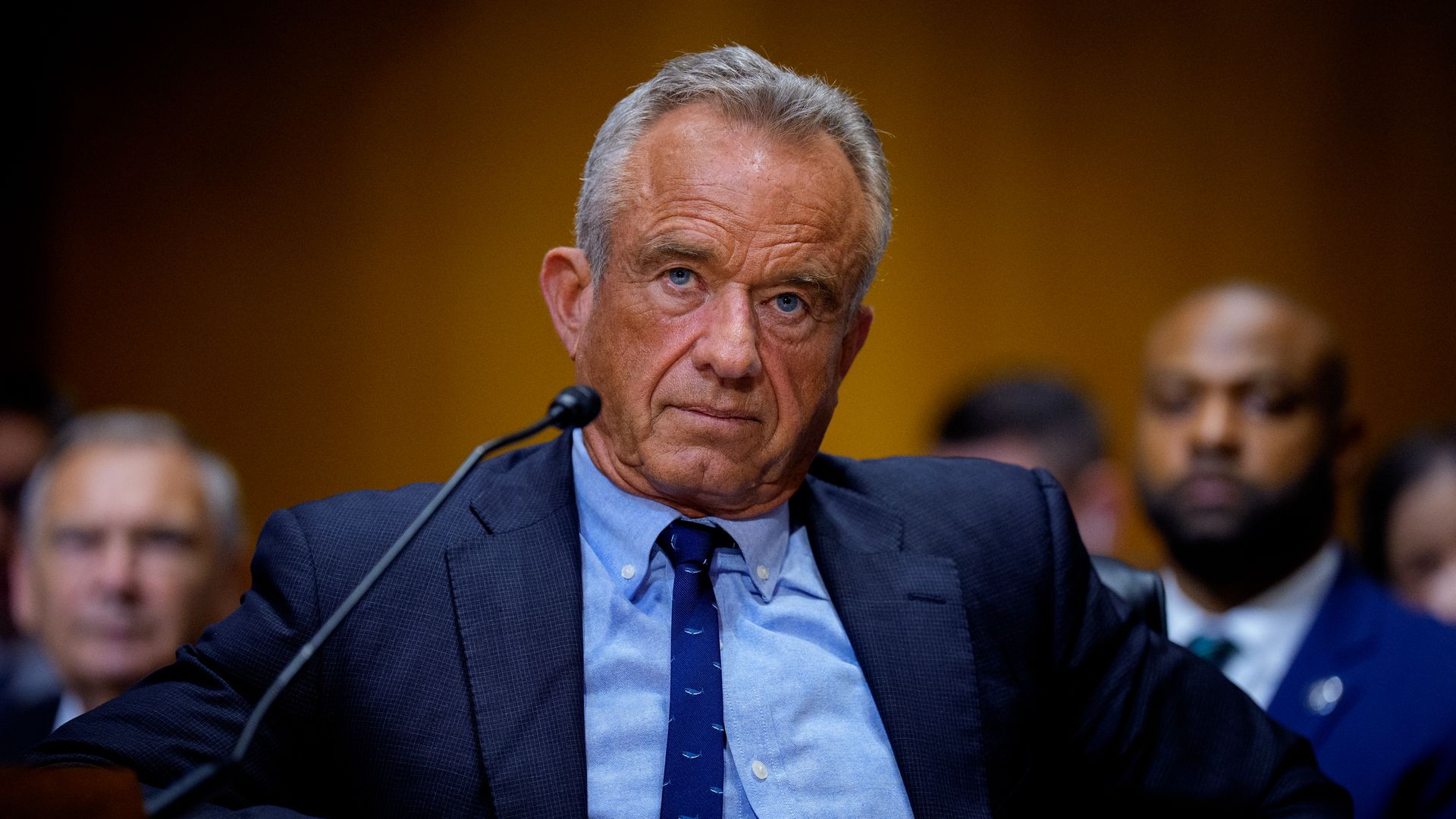
Axios reported that RFK Jr faced intense questioning from Democrats during House hearings, with members focusing on his past statements about vaccines and public health. The exchanges underscored the political stakes around misinformation claims and government oversight.
The basic tension is simple, and it keeps resurfacing: Kennedy has spent years as a well-known critic of parts of the public health establishment, and now lawmakers are using the hearing format to demand precision, timelines, and yes-or-no answers.
Hearing Room Politics, Not Just Policy
Hearings are supposed to be about oversight, but they are also about power. Members get to set the frame, pick the receipts, and turn a witness into a symbol, especially when the witness is a celebrity-level political figure.
Per Axios, Democrats’ line of attack centered on public health consequences. If a high-profile figure repeats disputed claims about vaccines, lawmakers argue, the cost is not abstract. It shows up as distrust, lower uptake, and a harder job for agencies that have to manage outbreaks and emergency response.
The Record Democrats Keep Pointing To
Kennedy has long insisted he is being mislabeled. In interviews and public appearances, he has framed his position as skepticism of institutions, not opposition to medicine, saying, “I’m not anti-vaccine, I’m pro-safety.” FactCheck.org has documented how his vaccine talking points have repeatedly collided with the scientific consensus, particularly around claims linking vaccines to autism.
That is where the contradiction gets weaponized. A political figure can run on vibes and grievance. A witness under congressional questioning gets pushed toward specifics, including what evidence supports sweeping claims, what has been retracted, and what audiences are supposed to do with the uncertainty.
Why the Stakes Go Beyond One Hearing
For Democrats, the payoff is twofold: forcing Kennedy to use cleaner language on a highly charged topic and signaling to voters that the party is policing the information pipeline. For Kennedy, the risk is that a posture that plays well in podcasts and rallies looks different under oath-adjacent scrutiny and C-SPAN lighting.
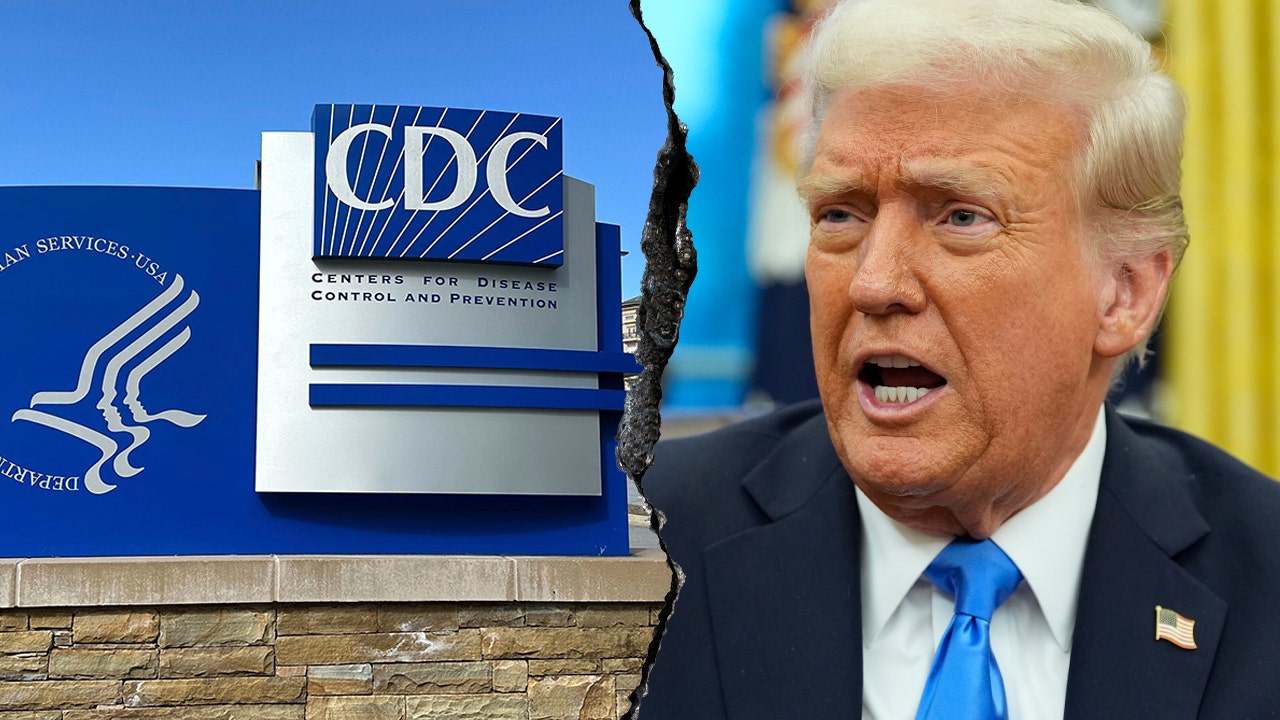
The background facts are not subtle. The CDC says large bodies of research do not support a link between vaccines and autism, and it has repeatedly summarized that conclusion in public-facing guidance. When lawmakers cite that institutional position against Kennedy’s rhetoric, they are not just arguing science. They are arguing legitimacy.
What to watch next is not only whether Kennedy changes his messaging, but whether the hearing format becomes a recurring pressure test, with more members using oversight as a way to pin down claims that were previously allowed to float.