A presidential brand can be built with rallies, donors, and policy papers. Or, sometimes, with a meme that quietly answers a different question: Who gets to whisper in the ear of power?
What You Should Know
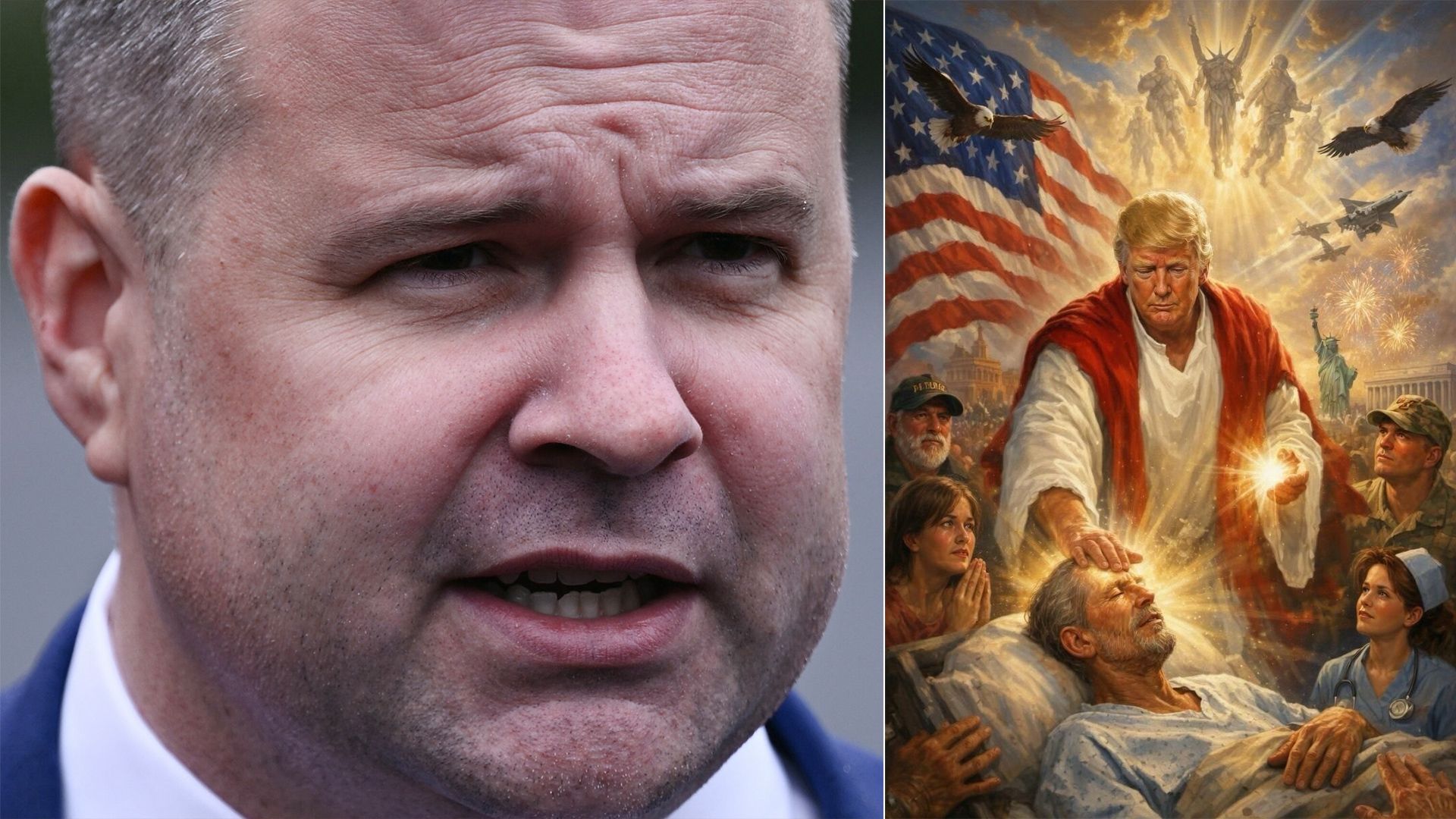
Axios reported that Donald Trump shared a Christian-themed meme tied to Bill Pulte, an investor and social media personality. The repost drew attention to how pro-Trump influencers use religious messaging online, and how quickly those posts can become political signals.
Trump has long treated faith imagery as campaign shorthand, and the internet has made that shorthand faster, messier, and harder to trace. Pulte, a member of the Pulte family with an active online presence, has built a following by posting, boosting other accounts, and inserting himself into political conversations.
The Meme Pipeline to a Former President
The mechanics are simple: an influencer posts, a crowd shares, and a bigger account turns it into a stamp of approval. What looks like a joke can function like a referral, especially in a movement where proximity is currency.
That is why names matter. When a high-profile figure like Trump amplifies content from a recognizable online player, it can elevate that player in the ecosystem and signal to other influencers what kinds of content get rewarded.
Religious Branding Has History, and Receipts
Trump’s use of religious symbolism has produced some of his most photographed political moments. On June 1st, 2020, after law enforcement cleared protesters from Lafayette Square, Trump walked to the St. John’s Church grounds and posed holding a Bible, a scene that drew intense scrutiny across U.S. and international media.
At the time, Trump kept his public message short. According to The New York Times, he told reporters, “We have a great country.” Critics argued the imagery was the point, while allies framed it as a show of order and solidarity, a split that still defines how his coalition interprets religious signals.
That older episode also shows the contradiction that keeps resurfacing: faith language is often presented as deeply personal, but the delivery is frequently optimized for cameras, feeds, and applause lines. A meme-friendly Christian message can travel farther than a speech, and it can do it without the friction of formal endorsement.
What Happens Next if the Meme Economy Keeps Paying Out
For Trump, the upside is reach, rapid mobilization, and a simple way to reinforce bonds with religious voters. The downside is that a campaign brand can start to look like a crowd-sourced bulletin board, where influencers compete to prove their loyalty and outsiders can exploit the same channels.
For figures like Pulte, the stakes are different: attention, credibility, and potential access. Watch whether this kind of amplification turns into real-world roles, fundraising asks, or policy influence, or whether it stays where modern politics increasingly lives, on screens, in shares, and in plausible deniability.