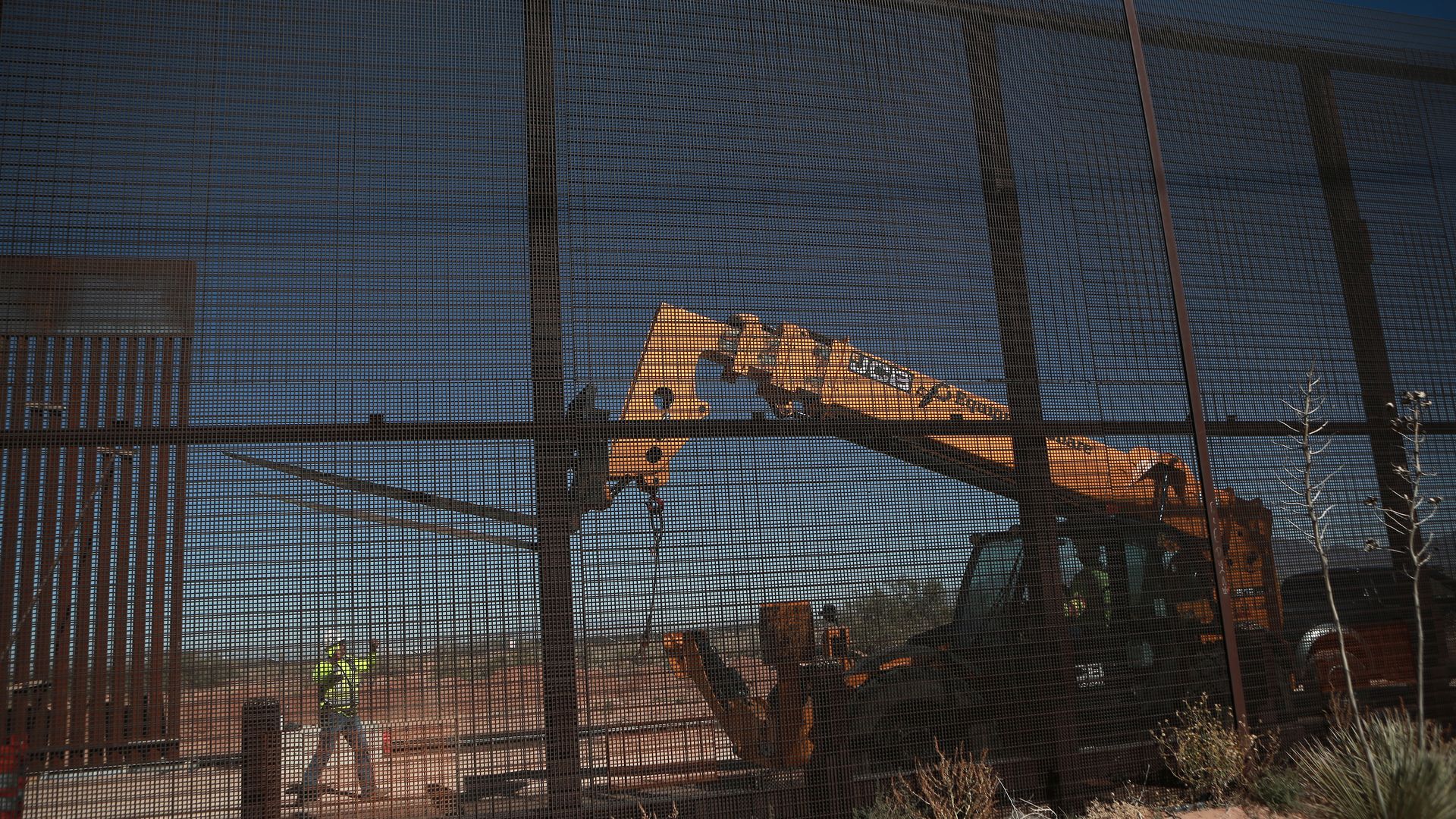
The wall is back in the spotlight, but the loudest argument is not about steel. It is about arithmetic, and who gets to define what counts as a mile.
What You Should Know
In official tallies, the Trump administration built hundreds of miles of border barrier, but much of it replaced older fencing. The dispute over mileage is about definitions, and it affects future funding, legal exposure, and campaign claims.
Axios, in an April 16th, 2026, piece on the border wall’s construction mileage, put a fresh frame on an old political habit: leaders cite the largest available number, while auditors and agencies track what changed on the ground.
The Mileage Claim That Won’t Die
Federal agencies have long distinguished between barriers built in places that had no barrier before and barriers that replaced older, less robust fencing. Those categories can produce two very different headlines, even when they describe the same construction program.
After the Trump years, the Department of Homeland Security put an official marker down, writing, “Approximately 452 miles of border wall were constructed in the prior administration.” DHS also said only a smaller share was built in locations without prior barriers, a detail that tends to get lost when campaigns compress the story into a single brag line.
Replacement vs New Build, and Why It Matters
Why does the replacement distinction matter? Because replacing existing fencing usually involves fewer land seizures, fewer new access roads, and fewer surprises in court, while first-time construction can trigger tougher fights over property, permits, and environmental waivers.
The Government Accountability Office has repeatedly tracked border barrier spending, scheduling, and oversight, including how projects were planned and how costs climbed. GAO’s work does not treat “new” and “replacement” as the same political trophy because, operationally, they are not the same project.
That difference also shapes what the public thinks it is buying. A “new wall” implies a new stretch of hardened border, while a “replacement wall” can mean swapping out older vehicle barriers or fencing for newer designs in the same corridor, with a different security payoff than advertised.
What Happens Next if Trump Tries Again
The power play is simple: big mileage numbers support big promises, and big promises support big funding asks. Smaller, more technical numbers support arguments that the easy segments are already done, and the remaining miles are the expensive, litigated, slow-to-build kind.
If a future administration tries to restart major construction, the next fight is likely to run through Congress, procurement contracts, and the courts, not just rallies. Watch for how officials describe any new request: “barrier system,” “replacement,” or “new primary wall,” because that wording often hides the real claim.
The wall debate keeps selling certainty, but the record reads like a spreadsheet with footnotes. In 2026, the mileage number you hear first is still not always the one that explains what actually changed at the border.
References
- Axios: Trump’s Border Wall Construction Mileage
- U.S. Government Accountability Office: Southwest Border Security, Additional Actions Needed to Better Assess Fencing’s Contributions to Operations and Provide Guidance for Identifying Capability Gaps
- U.S. Customs and Border Protection: Border Wall System