

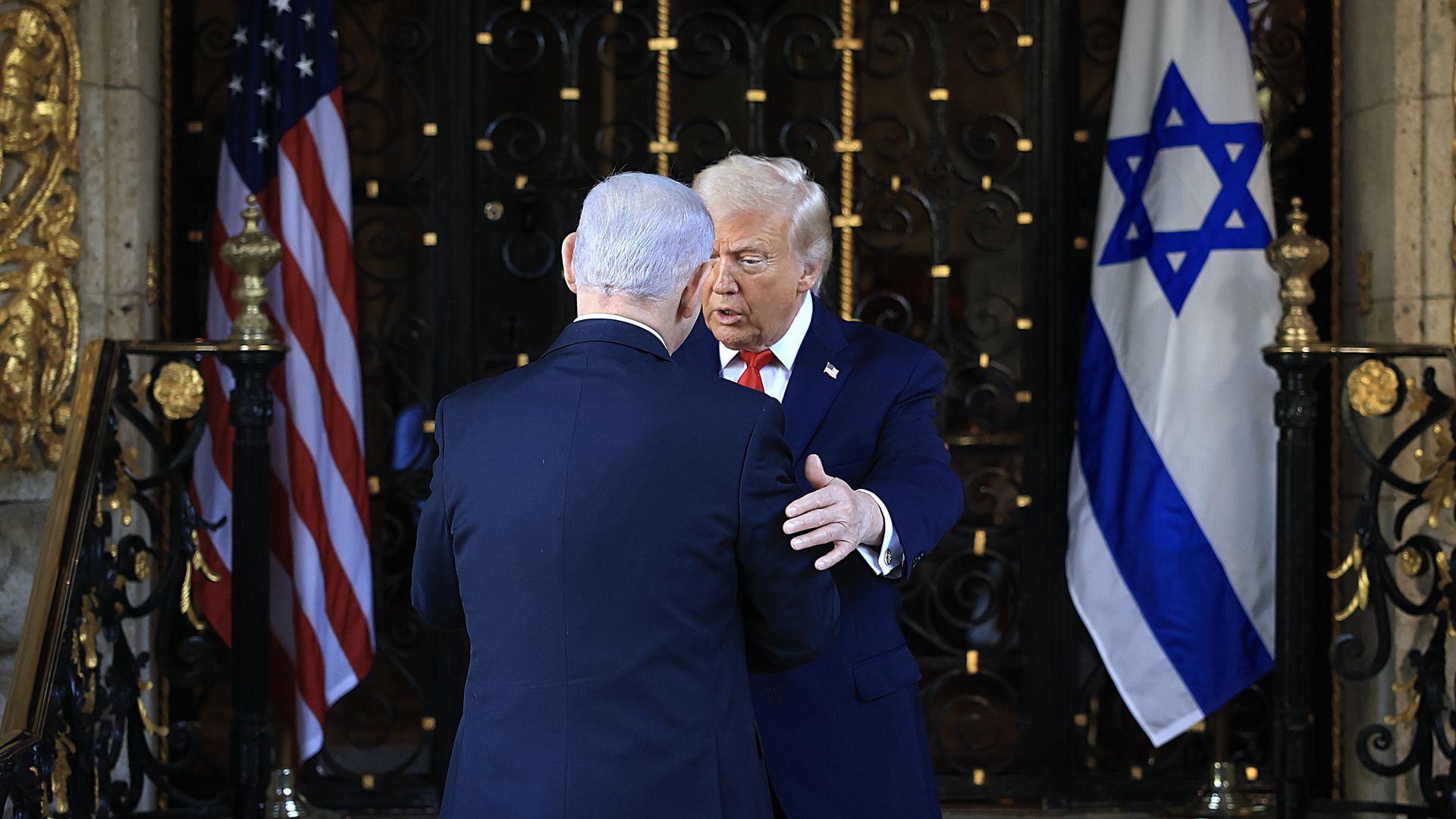
Diplomacy loves a star name, and this week, one showed up in a place where outcomes usually depend on maps, militias, and missed phone calls.
What You Should Know
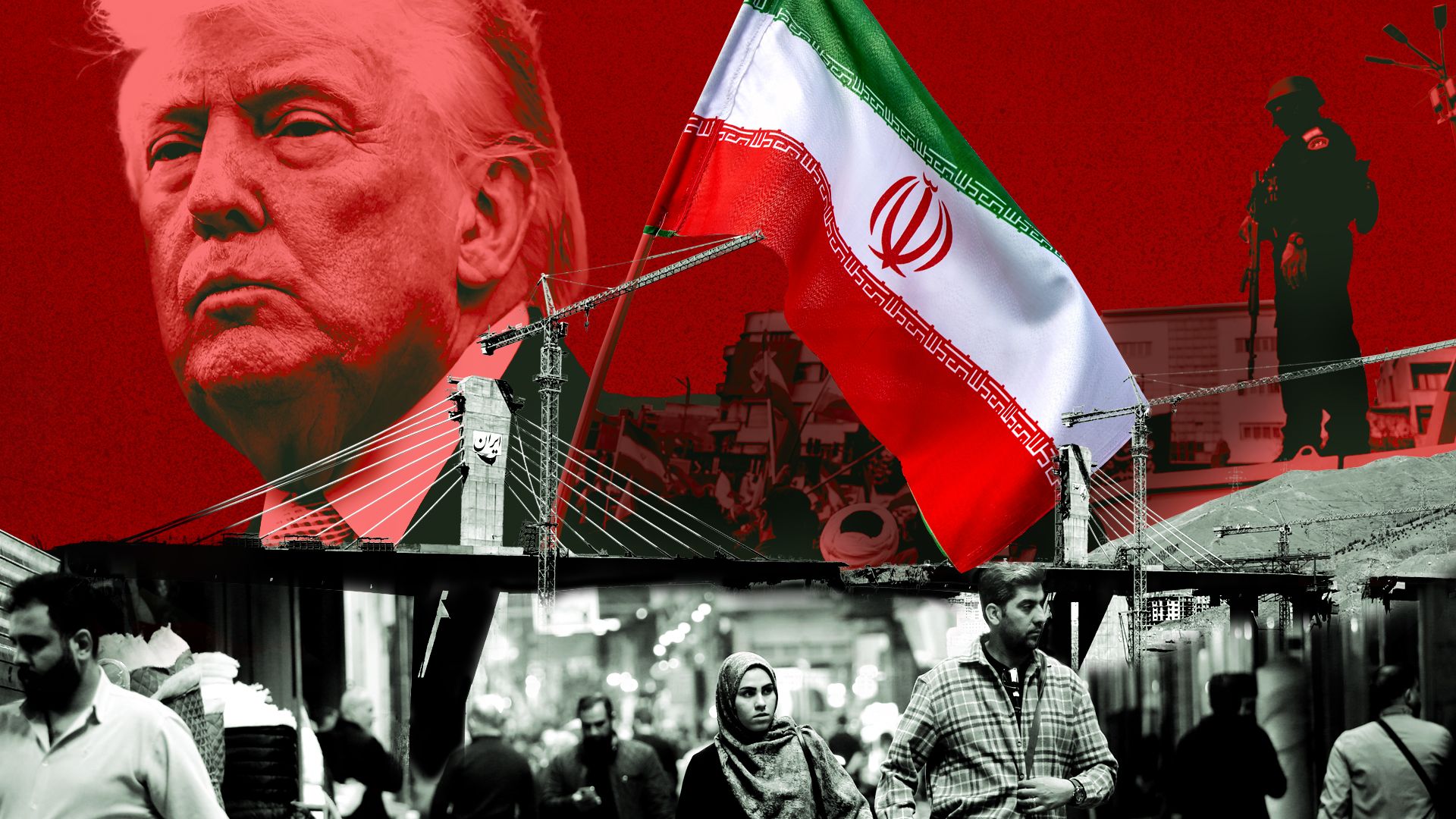
Axios reported on April 16th, 2026, that ceasefire talks involving Lebanon include Donald Trump, Aoun, Israel, and Israeli Prime Minister Benjamin Netanyahu. The report spotlights high-level players circling a conflict where enforcement details often matter more than announcements.
The basic tension is familiar: a ceasefire is not just a pause, it is a set of controls. In Lebanon and Israel, those controls collide with domestic politics, armed groups, and the question of who actually has the authority to make promises stick.
Axios Puts Trump in the Room
Axios framed the moment as ceasefire talks with a loaded roster: Trump, Aoun, Israel, and Netanyahu. Even without treaty text on the table, the cast list signals the stakes, because each name carries a different kind of leverage and a different kind of constraint.
Start with the baseline. The U.N. framework most often invoked in Israel-Lebanon escalations is Security Council Resolution 1701, adopted after the 2006 war, which called for a “full cessation of hostilities” and laid out expectations around the Blue Line and armed presence in southern Lebanon.
Why Names Matter More Than Maps
Trump is not a sitting commander in chief in this report, which raises the immediate power question: Is he a messenger, a pressure point, or a political signal aimed at Washington and regional capitals? Either way, his brand as a dealmaker runs into the same operational reality that swallows most ceasefires: verification, enforcement, and what happens on Day 2.
On Israel’s side, Netanyahu has repeatedly shown he can absorb international pressure when he believes domestic survival and security posture demand it. That is why ceasefire language tends to get litigated down to specifics, including who patrols, who withdraws, what triggers a response, and which incident becomes the excuse to declare the whole thing broken.
Lebanon’s problem is different. The Lebanese state often faces a split-screen reality, with formal institutions on one side and armed actors on the other, plus a battered economy that makes long-term security commitments harder to sustain. UNIFIL, the U.N. peacekeeping mission in southern Lebanon, sits in the middle, tasked with monitoring and supporting stability, but not with imposing a political settlement.
What Happens if Talks Stall
If the talks Axios described stall, the consequence is not just another ugly news cycle. There is a higher risk of border incidents, displacement pressure, and a widening gap between public messaging and what commanders do in the field when they think deterrence is slipping.
For now, watch for whether any side starts talking about mechanisms, not just intentions: patrols, timelines, buffer zones, and who signs what. In ceasefire politics, the headline names get the cameras, but the paperwork decides who pays the price.