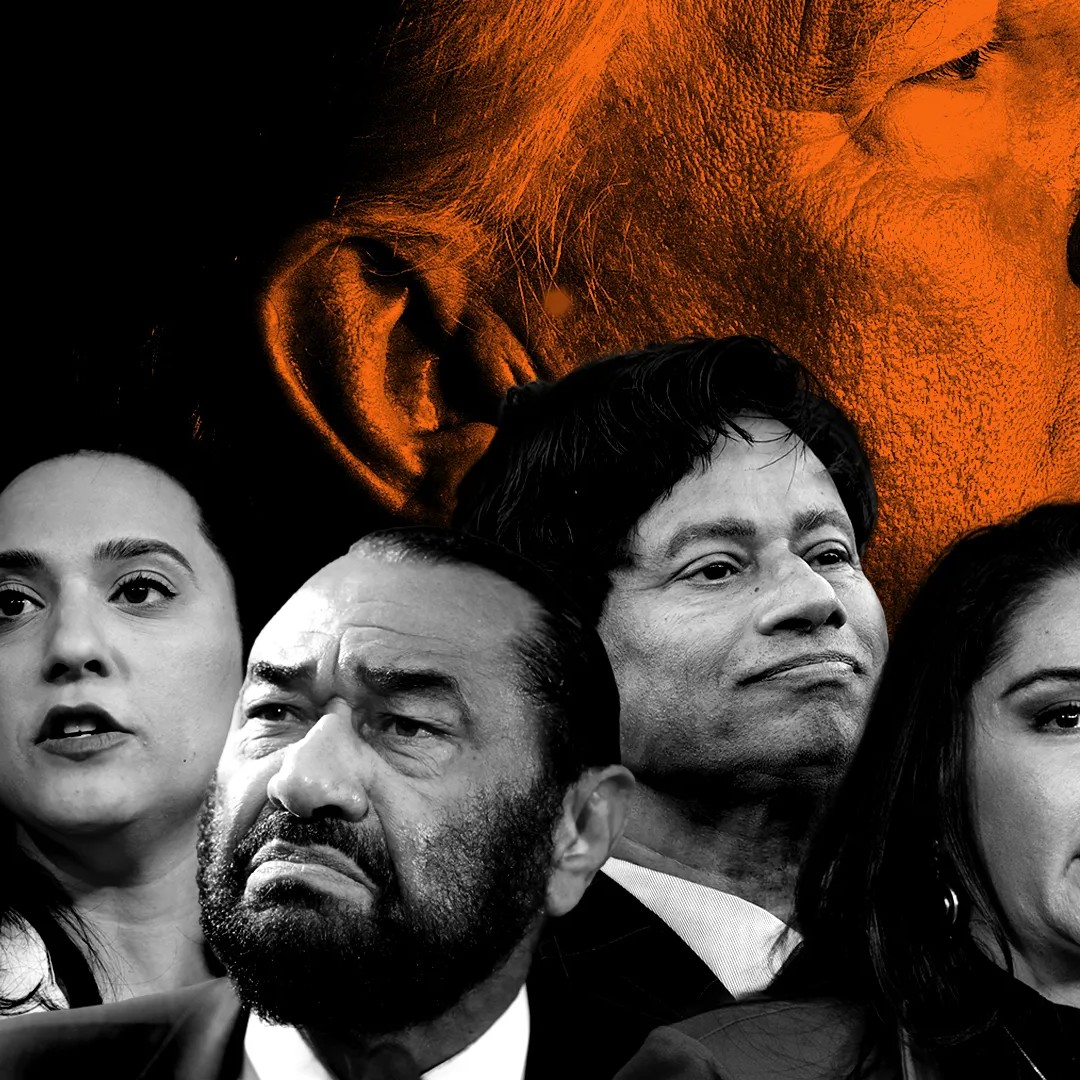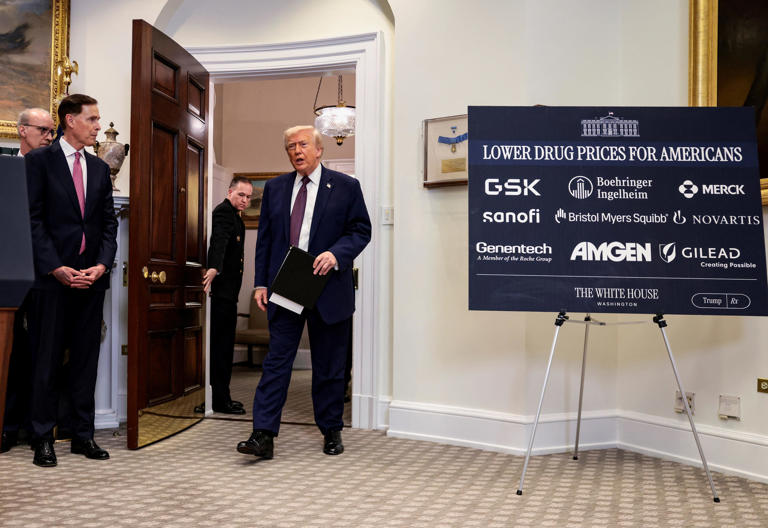


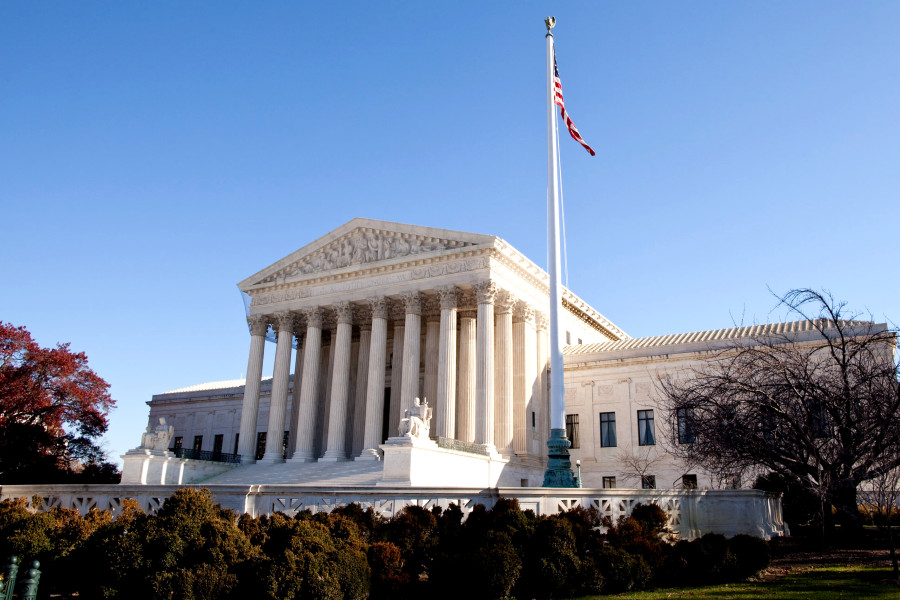
The Supreme Court does not campaign, fundraise, or hold rallies. However, it is still fighting for something that looks a lot like public consent, and the Court’s critics know exactly where to apply pressure.
What You Should Know
The Supreme Court has faced sustained criticism over its ethics practices and high-impact rulings in recent years. The justices adopted a formal code of conduct in 2023, but key enforcement questions, including recusals and outside relationships, remain largely self-policed.
The current Court, with a long-running 6-3 conservative majority, sits at the intersection of law, politics, and reputation. That mix has turned routine questions about impartiality into a proxy fight over power, and over who gets to set the rules for the rule-setters.
Legitimacy Is the New Battlefield
Public criticism of the Court is not new. The difference now is volume, sophistication, and the way it attaches to outcomes that reshape daily life, from abortion access to federal regulatory power and election rules.
When politicians accuse the Court of acting like a partisan actor, the justices rarely respond directly. Chief Justice John Roberts did, memorably, on November 21st, 2018, after then-President Donald Trump attacked an “Obama judge” in a separate dispute over immigration.
“We do not have Obama judges or Trump judges, Bush judges or Clinton judges,” Roberts said in a statement carried by major news outlets. “What we have is an extraordinary group of dedicated judges doing their level best to do equal right to those appearing before them.”
Ethics, Recusals, and the Money Question
The Court’s legitimacy problem has also been fueled by reporting about undisclosed gifts, travel, and other benefits tied to some justices, alongside questions about whether recusals happen often enough when politics, donors, or friends of the Court show up in filings. Several justices have said they follow existing disclosure rules, and the Court has emphasized that the judiciary already operates under ethics principles.
In November 2023, the justices released a formal “Code of Conduct for Justices of the Supreme Court of the United States.” According to the document, the code largely tracks the ethics framework that applies to other federal judges, but it does not create an external enforcement mechanism. In practice, that means the Court’s most explosive ethics questions still circle back to one answer: the justices decide.
The Stakes Are Bigger Than One Term
The consequences are concrete. If the public believes the Court’s rules are optional for the Court, then every close ruling, every emergency order, and every refusal to recuse gets filtered through suspicion, not doctrine. For the political branches, that suspicion becomes leverage, fueling calls for term limits, tougher disclosure laws, or changes in jurisdiction.
The Court, for its part, signals it will keep doing what it does, issuing final judgments and letting the elected branches argue about fixes. The next flashpoint will not require a scandal. It only needs another case where the winner takes policy, and the loser points at the umpire.