The CDC director job sounds like a lab-coat appointment, until you remember what actually happens in a national health scare. One signature can shift school rules, travel decisions, employer policies, and the tone of the entire federal response.
What You Should Know
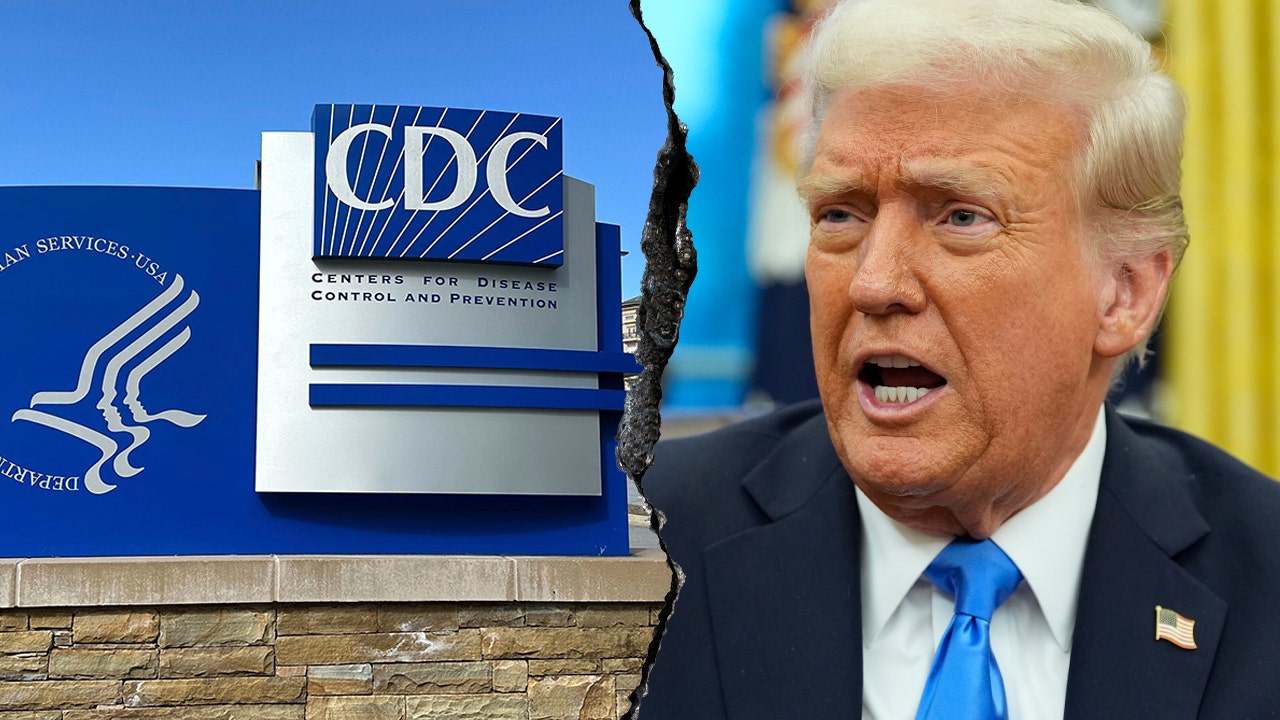
The CDC is a federal public health agency inside HHS, and its director helps set priorities, guidance, and communication during outbreaks and emergencies. Past crises showed the role can become a pressure point between public health messaging and White House politics.
That is why any conversation about a president picking a CDC leader, including Donald Trump in the context of his broader second-term planning, is not just about credentials. It is about who gets the loudest, most consequential microphone in American public health.
The Appointment With the Biggest Microphone
The CDC is not a small back-office bureau. It is a massive public-facing machine that issues guidance, runs surveillance, coordinates with state health departments, and sets a tone that employers, airlines, and school districts often treat like a national baseline.
The agency sells itself as always-on and mission-driven. On its own website, the CDC describes its role this way: “CDC works 24/7 protecting America’s health, safety and security.” In a real emergency, that promise becomes a political asset, because credibility is currency.
COVID Turned Guidance Into a Power Struggle
COVID did not just test hospitals. It tested chain of command. CDC recommendations became stand-ins for policy fights about reopening timelines, masking, and what the government should say out loud when the data is incomplete.
That dynamic matters for any future administration, because the director sits at the intersection of two incentives that do not always align. Scientists are pushed toward caution and caveats, while politicians are pushed toward clarity, speed, and messages that do not spook the economy or voters.
Who Controls it When the Next Crisis Hits
HHS, the CDC’s parent department, has a formal scientific integrity framework meant to protect evidence-based work from improper influence. The catch is that the guardrails only matter when leadership enforces them, and leadership is chosen by the same political structure that benefits from message discipline.
That is the core tension for Trump, or any president, as the next outbreak, drug-resistant threat, or food safety emergency lands. The CDC director pick is a bet on how much independence the agency will have when the stakes jump, and how aggressively the White House plans to manage the narrative.
What to watch is not just the name on the door, but the early tells: who runs communications, how guidance is written, and whether the director treats the CDC’s public voice like a scientific product or a political tool.