What You Should Know
The Trump administration’s 2018 “zero tolerance” approach to border prosecutions led to thousands of children being separated from their parents. Court orders, inspector general reviews, and ongoing litigation have kept the policy’s operational failures and long-term costs in the spotlight.
The new fight is not just about what happened, but about who gets to define it. Trump and his allies have repeatedly argued the separations were required by law, or pinned on broader immigration enforcement, while critics point to public statements and oversight findings describing deliberate planning and foreseeable chaos.
The Rewrite Campaign
In political messaging, “family separation” often gets treated like a label opponents slapped on normal border enforcement. That framing downplays the power move at the center of the policy: prosecute as many adults as possible, even when it predictably triggers separations and overwhelms the systems meant to track children.
Then-Attorney General Jeff Sessions said the quiet part out loud in April 2018: “If you are smuggling a child, then we will prosecute you, and that child will be separated from you as required by law.” The line was intended as a deterrent. It also captured the administration’s argument that harsh outcomes were a feature, not a bug.
That created a contradiction that never really went away. The administration described separations as unavoidable, but simultaneously sold them as leverage, signaling that the pain was supposed to change behavior at the border.
The Receipts in the Paper Trail
Oversight findings later laid out how predictable the operational breakdown was. According to the U.S. Department of Justice Office of the Inspector General, DOJ pushed the “zero tolerance” surge while coordination problems with the U.S. Department of Homeland Security contributed to confusion, inconsistent execution, and avoidable harm to children and families.
Federal court intervention quickly became part of the story’s permanent record. In 2018, a judge in the family separation class-action case ordered the government to stop separating most families and to begin reunifications on a court-ordered timeline, turning a policy dispute into a compliance problem with judges, deadlines, and sworn declarations.
What Happens When the Bill Comes Due
The aftermath is where the stakes get expensive. Reunification efforts, monitoring, and litigation have continued for years, and the policy’s defenders have had to argue not only about border control, but about accountability when the government loses track of parents, children, or both.
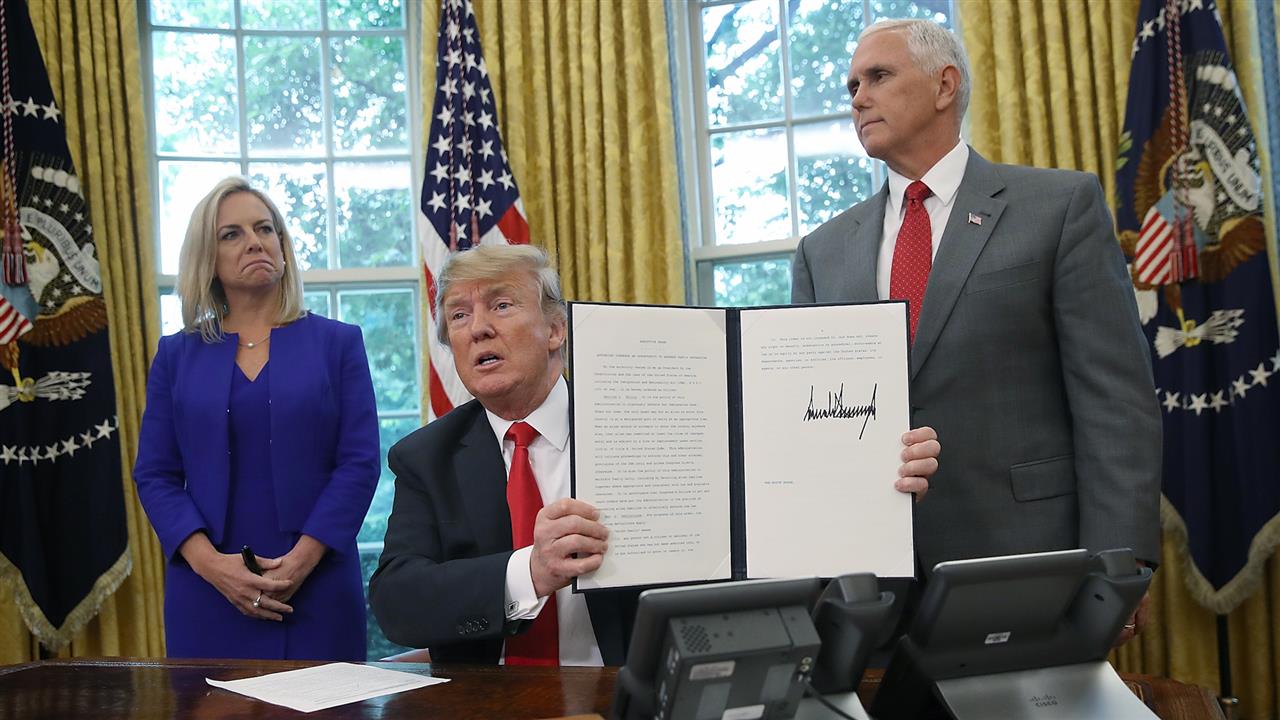
Trump signed a June 2018 executive order aimed at keeping families together during prosecutions, an implicit recognition that the policy had become politically radioactive. The question that lingers is whether the public rewrite can outrun the paper trail, especially as immigration enforcement remains a campaign centerpiece.
What to watch is simple: any future push to revive mass prosecutions at the border will collide with the same logistical constraints, the same court precedents, and the same records that show officials were warned about what separation would trigger.