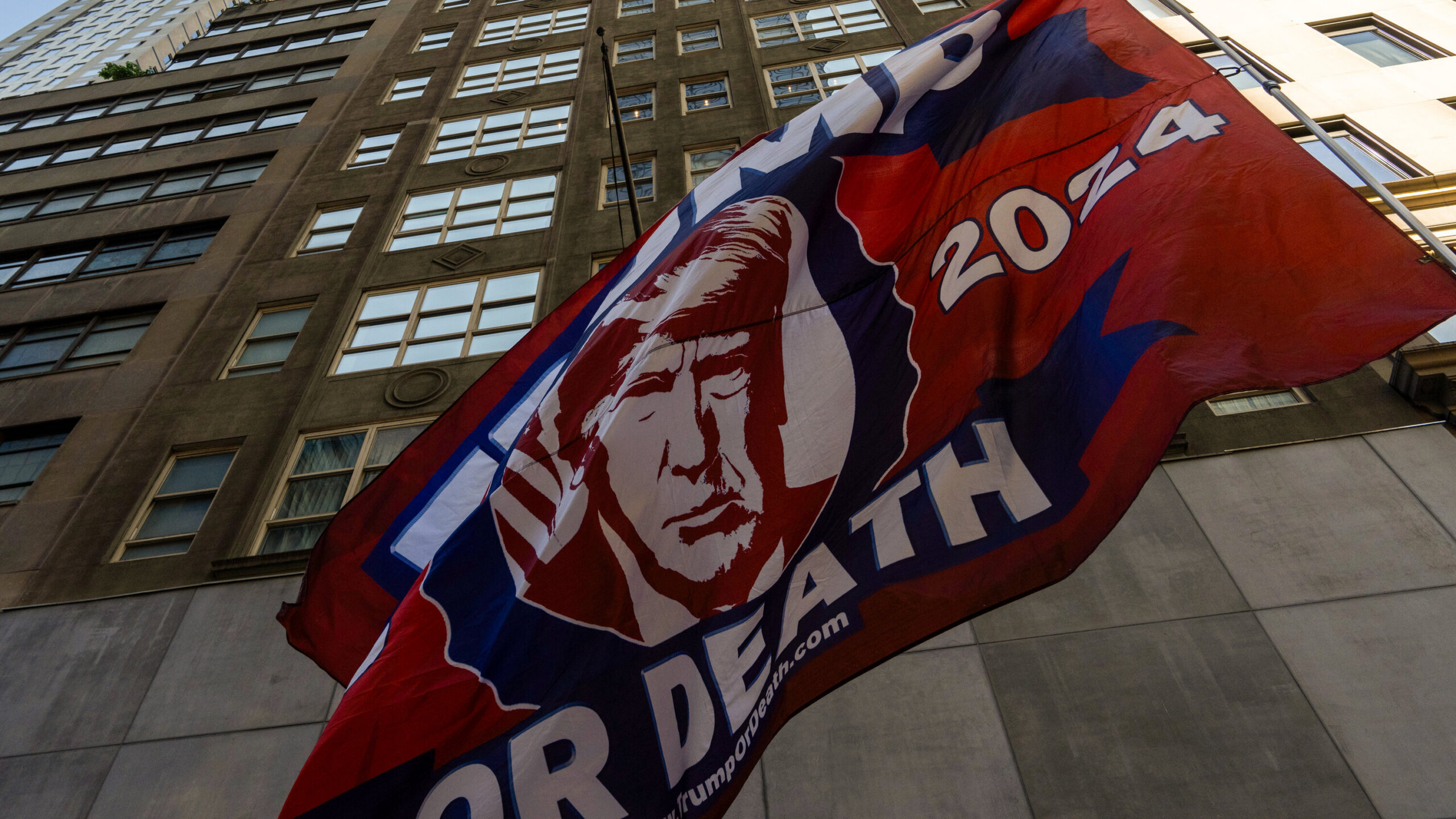
Donald Trump still talks about Cuba like the island is waiting for one strong American to flip a switch. The problem for that storyline is that Havana’s succession math runs through the Communist Party, not U.S. rallies, and the Castros are no longer the ones doing the public job.
What You Should Know
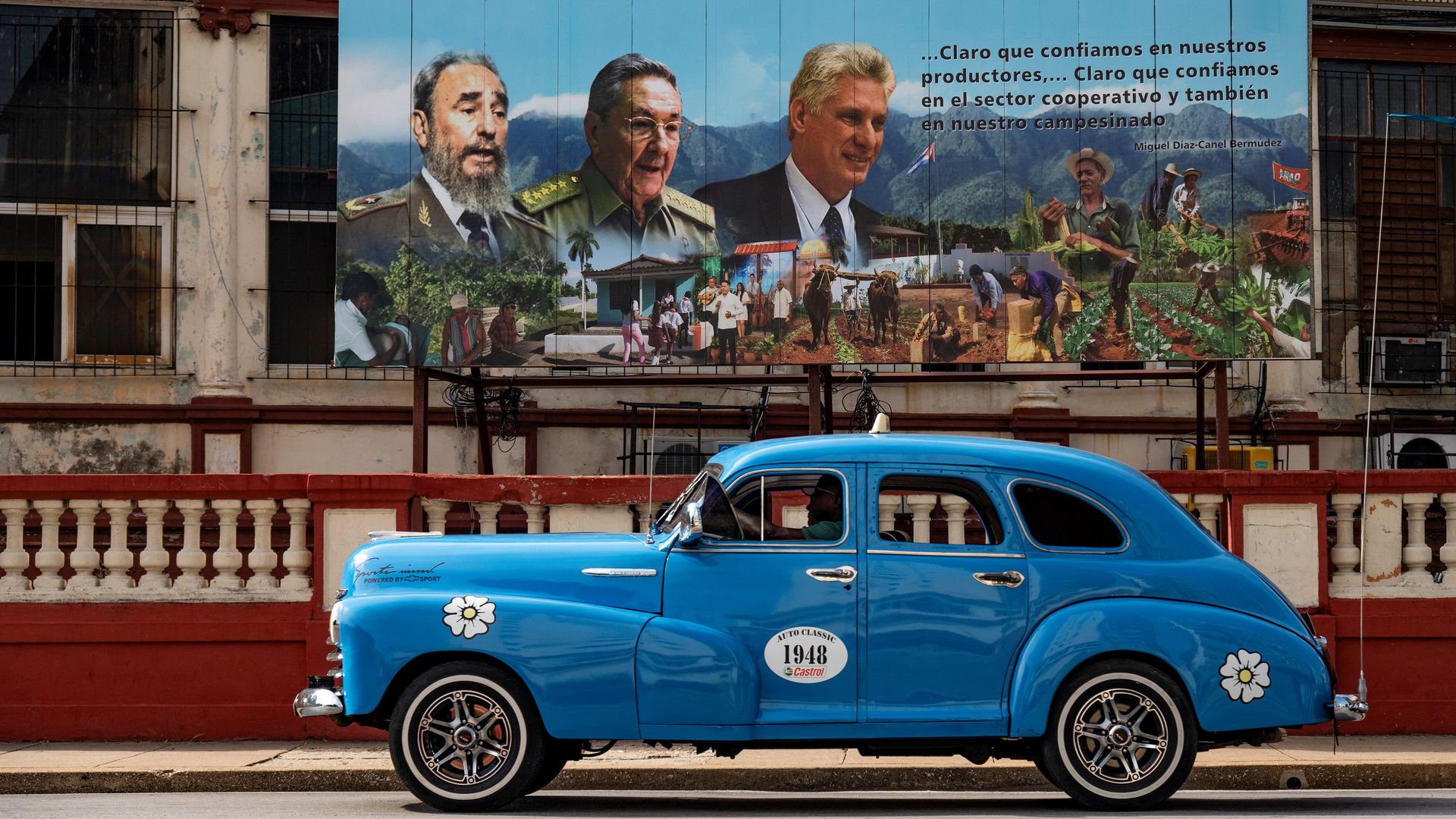
Axios published an analysis on March 17th, 2026, spotlighting Cuba’s potential future leadership beyond the Castro era. Cuba is led by President Miguel Díaz-Canel under a one-party system, while U.S. policy pressure largely takes the form of sanctions and travel restrictions.
The cast is familiar: Trump, who built a Florida-friendly hard line on Cuba, and Cuba’s ruling establishment, which has worked to make leadership transitions feel procedural, not personal. The clash is less about who is louder and more about who holds the levers.
Trump’s Cuba Script Meets Havana’s Succession Machine
Trump’s Cuba posture has long been built around reversal and message discipline. In a June 16th, 2017, speech laying out his policy shift, he said, “I am canceling the last administration’s completely one-sided deal with Cuba.”
That line captured the political utility: a clean contrast with Barack Obama’s opening, a clear signal to anti-Castro voters, and a promise of consequences. However, even a maximalist Washington approach runs into the same structural reality: Cuba’s leadership pipeline is internal, closed, and designed to survive personalities.
Who Actually Picks the Next Leader
Cuba’s top political power centers on the Communist Party of Cuba, and Miguel Díaz-Canel has been the public face of that post-Castro transition, serving as president after Raúl Castro stepped aside. Raúl Castro later handed off the party’s top post, too, shrinking the family’s direct role while keeping the system intact.
That is why succession chatter tends to focus on party and state officials rather than on election campaigns. The question for outsiders is not who wins a vote, but who consolidates support inside a governing structure that controls security services, media access, and the legal boundaries of dissent.
Why U.S. Rhetoric Still Hits Home
Washington still has tools that matter, even if they do not choose Havana’s next boss. The U.S. embargo is layered across decades of law and regulation, and the Treasury Department’s Office of Foreign Assets Control administers major pieces of the sanctions architecture that shapes travel, business exposure, and financial risk.
That creates a neat political contradiction: candidates can promise dominance, but the real impact often shows up as slow-burning constraints on money and mobility, not a leadership swap. Cuba’s government can point to U.S. pressure as a convenient external foe, while U.S. politicians can point to Cuba as proof they are tough.
What to watch next is the gap between rhetoric and receipts. If U.S. policy tightens, look for the fine print, enforcement posture, and exemptions. If Havana signals a future transition, look for who gets promoted, who gets sidelined, and what the party quietly calls stability.