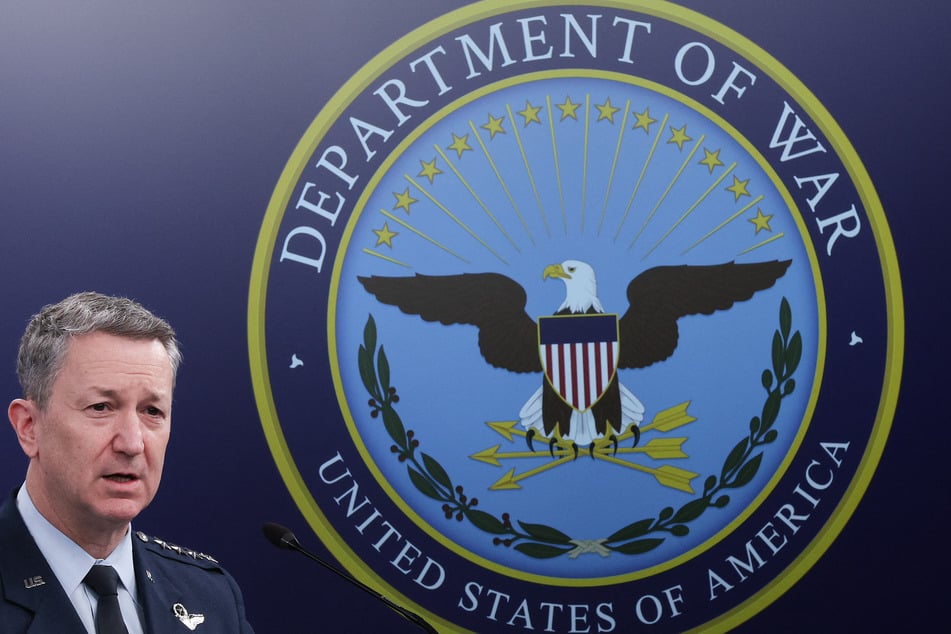
The Pentagon rarely announces a crackdown with sirens. It usually arrives as a policy tweak, a badge rule, or a new definition of where a reporter can stand, and suddenly the most powerful building in U.S. defense looks a little less reachable.
What You Should Know
The Pentagon has updated its press policy governing credentialed media access and conduct at the Department of Defense. The changes focus on where reporters can go, how they move in the building, and what activities trigger enforcement.
According to The Hill, the Department of Defense has added new language on how the press operates inside the Pentagon, including access boundaries and compliance expectations. The practical question is not just what changed on paper, but what gets enforced in real life.
The Policy Shift That Matters
Press credentials are not just a lanyard. They are leveraging physical access because it shapes who gets a question, who hears a hallway aside, and who is stuck rewriting the same on-camera talking points.
In the Pentagon, where information often arrives through controlled briefings and carefully timed statements, small restrictions can carry big consequences. If movement tightens, so does the range of voices a reporter can reach without a public affairs escort.
The Security Pitch vs. the Transparency Brand
The Pentagon has a ready, and sometimes compelling, argument: security. After high-profile unauthorized disclosures in recent years, the department has strong incentives to limit informal contact and reduce opportunities for sensitive material to move.
But the institution also sells a public image of openness, especially during wars, crises, and major weapons decisions involving billions of taxpayer dollars. The tension is old, and it is baked into the country’s founding argument about oversight, including the First Amendment’s promise that “Congress shall make no law… abridging the freedom… of the press.”
What Shrinks When Access Shrinks
The Pentagon’s press corps is not a court. It cannot subpoena, indict, or compel testimony. Its only durable tool is proximity, the ability to ask, verify, and compare what officials say publicly with what actions, contracts, and deployments show.
Supporters of tighter rules can point to a reasonable-sounding goal: order, safety, and clear standards in a sensitive facility. Critics can point to an equally obvious risk: a system in which the penalty for being aggressive is losing the very access needed to independently verify the story.
That is the real stake line. A press policy can be written as a neutral process, yet still serve as a throttle on scrutiny if enforcement is selective, or if it nudges reporters toward staged availability rather than unscripted reporting.
What to watch next is implementation. The story is not only the text of the policy, but whether journalists, press groups, and lawmakers start treating building access as a measurable transparency metric, and whether the Pentagon adjusts when the blowback arrives.