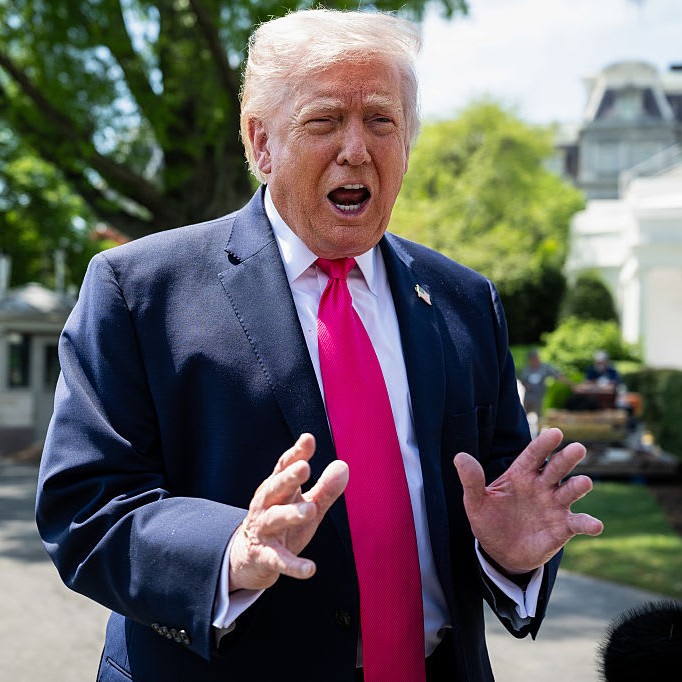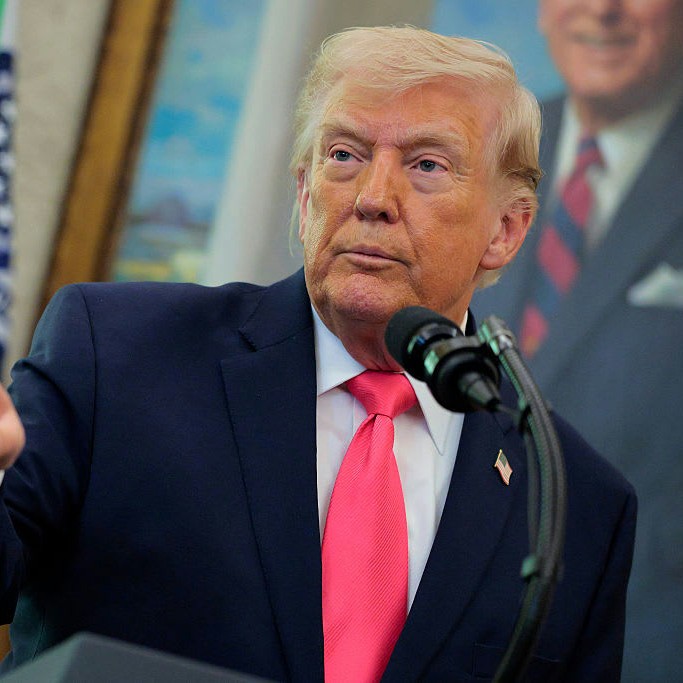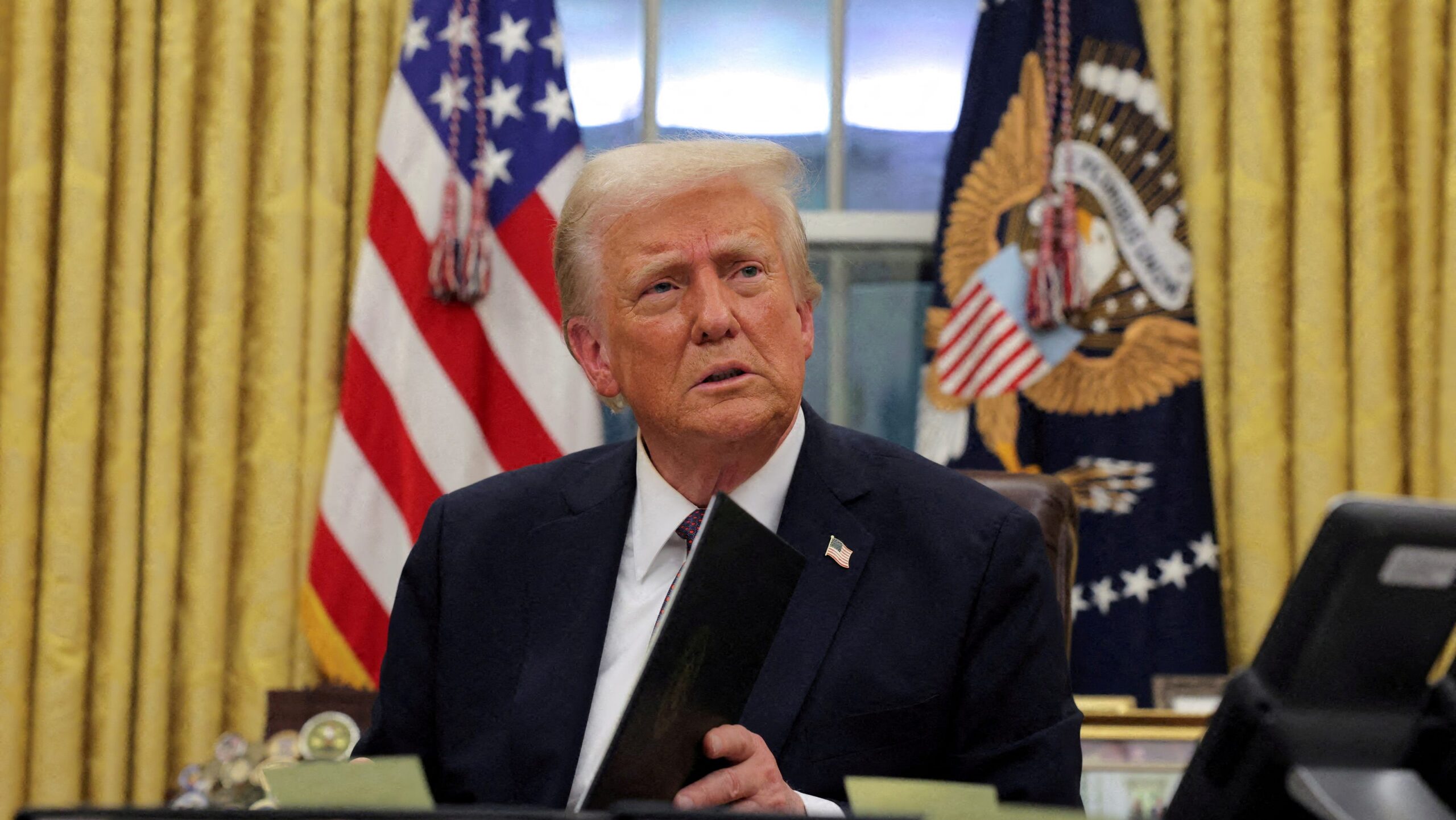
Trump is floating a “friendly takeover” of Cuba again, but the telling detail is not the taunt. It is the quiet question underneath it: if the goal is a deal, why build a choke point that can turn into a humanitarian mess?
What You Should Know
In a BBC Sounds “Americast” episode published on March 13th, 2026, the hosts say President Trump renewed “friendly takeover” rhetoric about Cuba as talks were being discussed. The episode frames Cuba’s energy shortage and blackout risk as central leverage.
The episode, titled “Is Cuba Trump’s next target after Iran?” tees up a classic Trump contradiction: public muscle paired with private contact. The hosts, Justin and Anthony, focus on how seriously to take the threat, and on what they describe as U.S.-Cuba talks happening alongside the pressure campaign.
The Friendly Talk and the Hardball Tools
On the show, Trump is described as arguing Cuba is “in deep trouble” and that the Cuban government is “desperate to make a deal.” That kind of language plays well as dominance theater, but it also sets expectations. If Havana is truly desperate, Washington does not need to raise the temperature to get movement.
Yet the episode also describes a much sharper toolkit: attempts to constrict oil flows and warnings about tariffs for countries that supply the island. In other words, the persuasion is not just diplomatic. It is logistical and designed to make third parties think twice about helping Cuba keep the lights on.
Cuba’s Grid Is the Pressure Point
Cuba’s vulnerability is not mysterious. According to the U.S. Energy Information Administration’s country analysis, Cuba has limited domestic energy production and relies heavily on imported petroleum products, a dependency that feeds directly into electricity generation and the wider economy.
When fuel is scarce, everything gets political fast. Blackouts disrupt hospitals, schools, tourism, and agriculture, and they turn any negotiation into a race against a failing clock. The Americast framing matters here because it suggests the leverage is not abstract sanctions law. It is the day-to-day ability of a government to keep the grid stable.
What a Deal Buys Trump, and What it Costs
Trump’s Cuba posture also sits inside a U.S. legal and political cage. According to the U.S. Treasury Department’s Cuba sanctions overview, the embargo architecture is broad, longstanding, and enforced through multiple restrictions that shape what any administration can actually offer, and how quickly it can offer it.
That is the tension to watch: maximalist talk that implies control, paired with policy machinery that is slow to unwind, and domestic incentives that reward toughness. If talks are real, the next signal will not be another slogan. It will be a traceable change in enforcement posture, licensing, or third-country pressure that shows whether the White House wants a headline or a negotiated outcome.