

Ecuador is selling a two-week crackdown as a war, complete with curfews, helicopters, and 35,000 soldiers. The missing piece is what, exactly, “U.S. support” means when cartel violence is still stubbornly alive.
What You Should Know
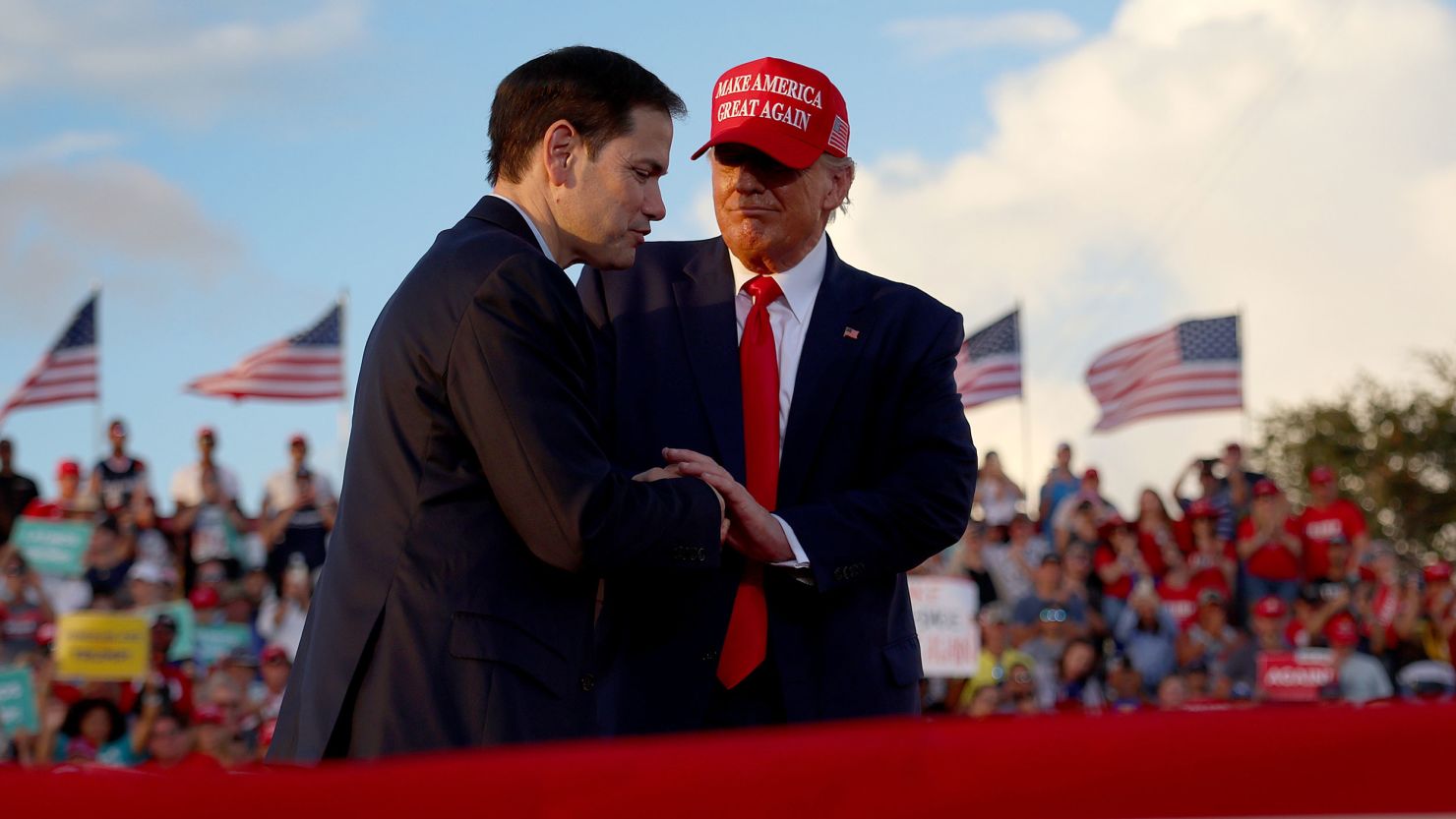
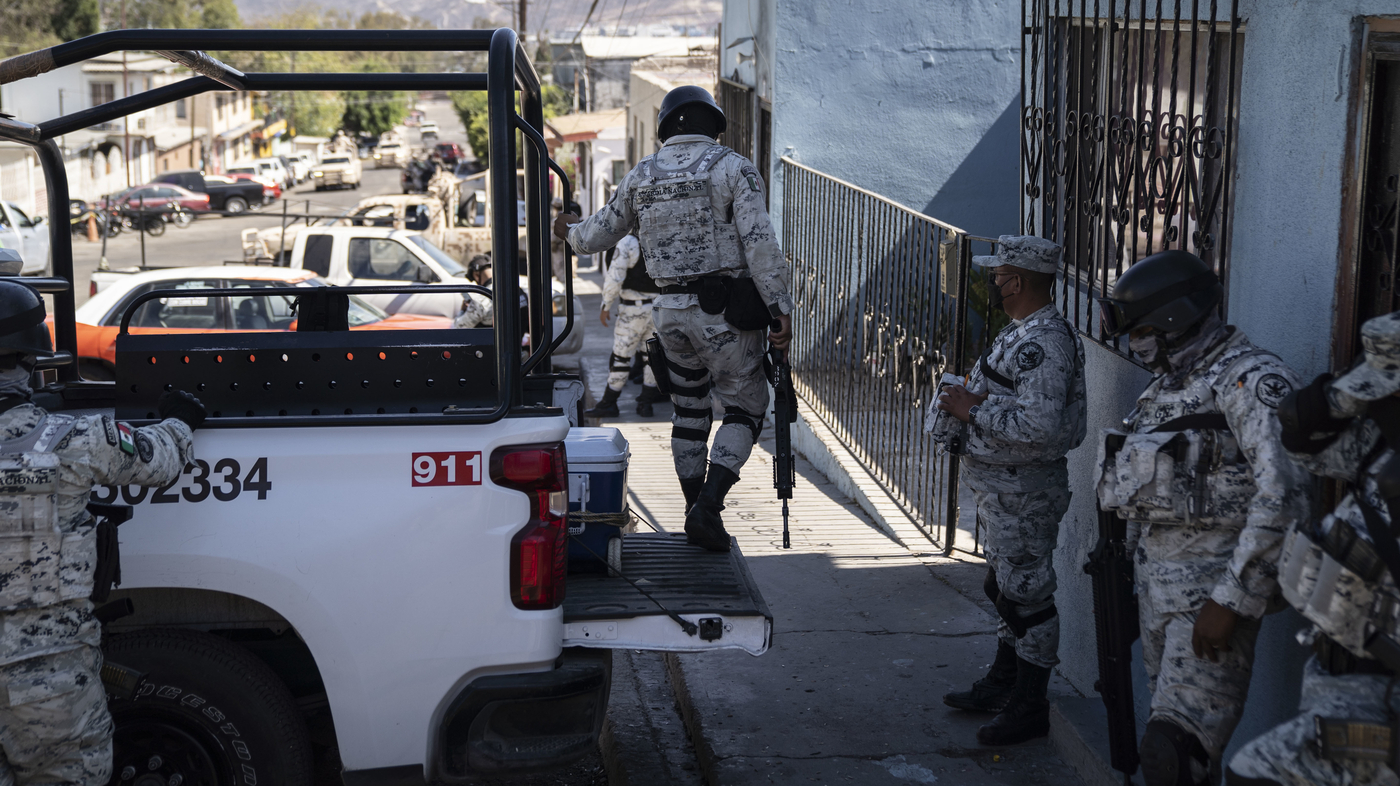
Ecuador began a two-week operation against drug traffickers with U.S. support, deploying about 35,000 soldiers and imposing nighttime curfews in several coastal provinces. The push is tied to a 17-country cartel-fighting alliance launched by President Donald Trump.
President Daniel Noboa has made anti-cartel force the signature of his presidency, and Interior Minister John Reimberg is now putting his name on the latest surge, aimed at the provinces authorities describe as hardest hit by drug-related violence.
A Two-Week Offensive With U.S. Weight
According to CBS News, the operation began March 15th, 2026, with nighttime curfews ordered in Guayas, Los Ríos, Santo Domingo de los Tsáchilas, and El Oro. Authorities also circulated images and video showing armored vehicles and aircraft staged for the sweep.
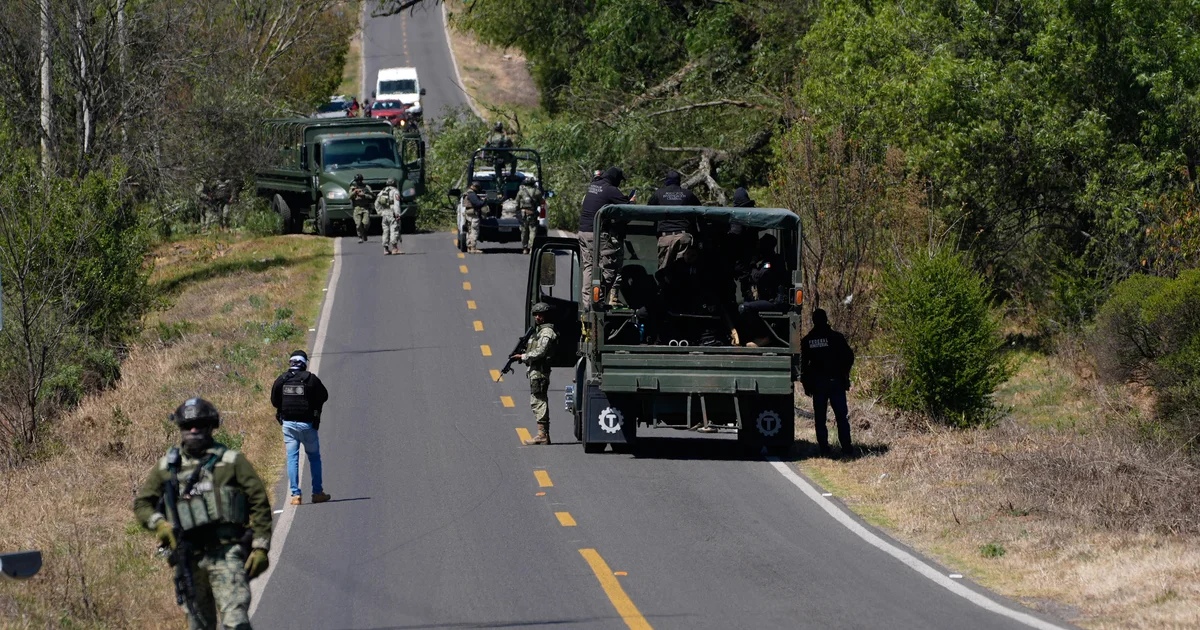
Reimberg framed it as a public-safety message and a public challenge, and he did it in plain language.
“We’re at war,” Reimberg said. “Don’t take any risks, don’t go out, stay home.”
The United States is not just hovering in the background. CBS News reported that the two countries are part of a 17-country alliance announced at a summit earlier in March, and noted the operational ambiguity that always accompanies such announcements: it was not clear whether U.S. soldiers would participate directly on Ecuadoran soil.
The Results Problem Noboa Cannot Outrun
Noboa has spent roughly two years targeting cocaine traffickers, but CBS News reported that associated crimes, including murders, disappearances, and extortion, have not fallen. That is the tension inside the new offensive: maximum force, limited proof of lasting impact.
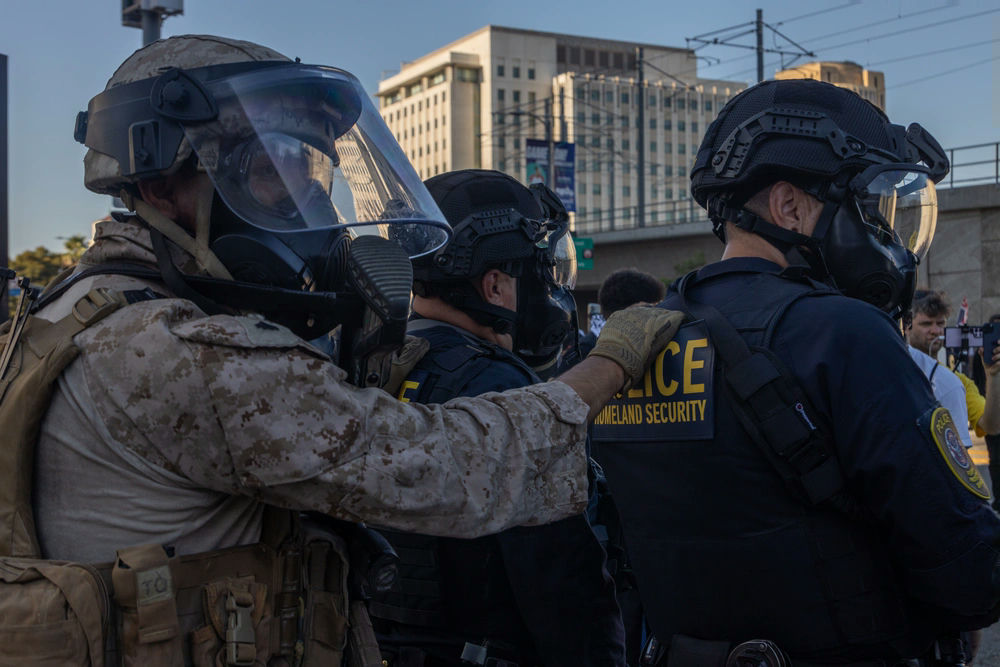
The geography is the cartel math. CBS News cited estimates that around 70% of the drugs produced by Colombia and Peru, the world’s largest and second-largest cocaine producers, respectively, are shipped through Ecuador, turning ports and highways into strategic assets that gangs fight over.
FBI Expansion Raises the Stakes Beyond Street Raids
The crackdown is also expanding from guns to paper. CBS News reported that the FBI said it would open an office in Ecuador to investigate organized crime, money laundering, and corruption in collaboration with local police, which would push the fight into banking channels, contracting, and political protection networks.
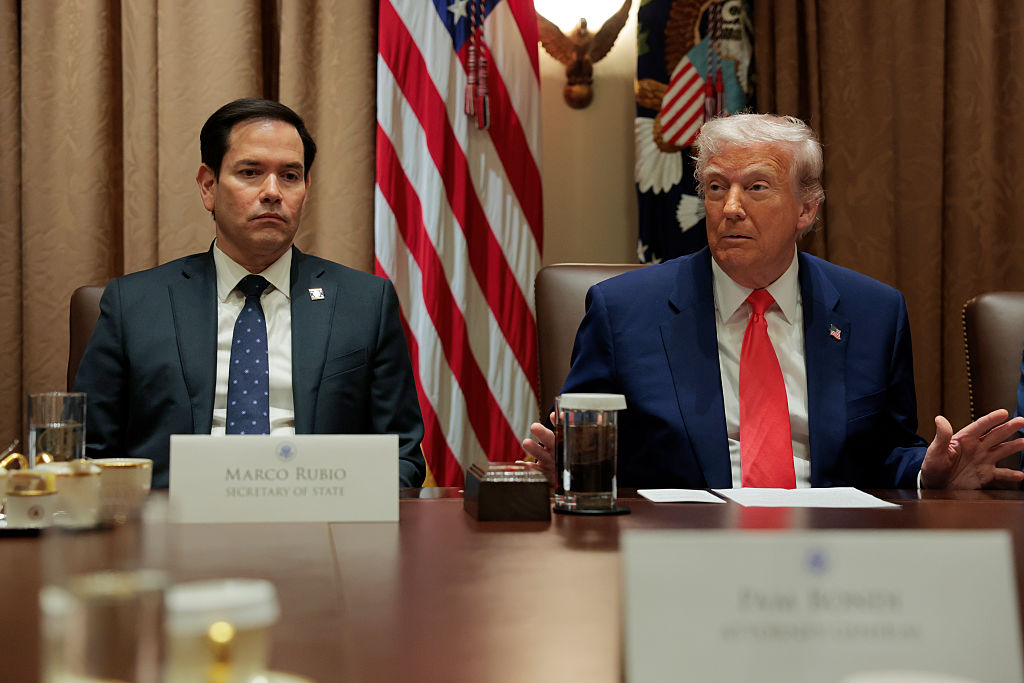
Meanwhile, the Noboa government is leaning hard on deterrence theater, and Washington is leaning hard on regional signaling. The next test is whether the operation produces arrests and seizures that hold up in court, or whether the war talk outpaces the receipts when the two-week clock runs out.