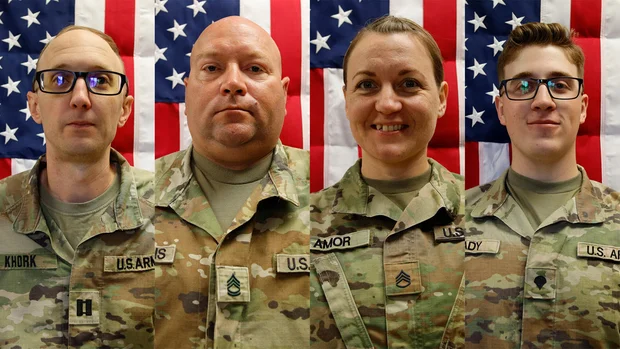
The Pentagon just put names to a battlefield headline, but the paperwork is not matching the early talking points. Four U.S. Army Reserve soldiers are now publicly identified after a deadly strike in Kuwait, and key details are still under investigation.
What You Should Know
The Defense Department identified four Army Reserve soldiers killed when an attack hit a tactical operations center in Kuwait. The Pentagon said the incident remains under investigation, and the names of two other U.S. service members killed were being withheld pending notification.
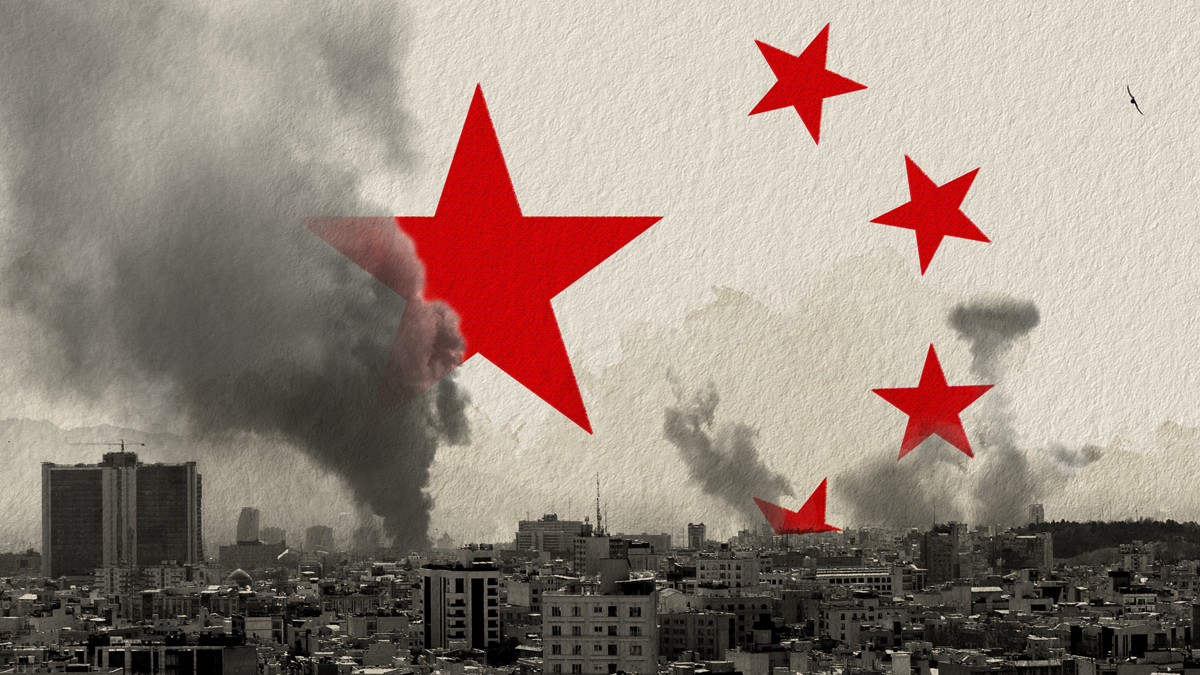
The deaths land at an awkward moment for Washington. The U.S.-Iran conflict, described by a U.S. official as Operation Epic Fury, is producing casualties, while senior officials are still pinning down what kind of weapon hit a critical hub in a partner country hosting American forces.
The Names, the Unit, and the Missing Details
On March 4th, 2026, the Defense Department identified Capt. Cody A. Khork, 35, of Winter Haven, Florida, Sgt. 1st Class Noah L. Tietjens, 42, of Bellevue, Nebraska, Sgt. 1st Class Nicole M. Amor, 39, of White Bear Lake, Minnesota, and Sgt. Declan J. Coady, 20, of West Des Moines, Iowa.
According to the Pentagon, the four were among six U.S. service members killed when an Iranian strike hit a tactical operations center in Kuwait, with the deaths occurring during an unmanned aircraft system attack in Port Shuaiba. The soldiers were assigned to the 103rd Sustainment Command, based in Des Moines.
The Pentagon said the names of the two other U.S. service members killed were being withheld until next of kin were notified. That gap matters because it signals the situation is still developing, even as the government is already balancing public accountability with operational sensitivity.
Two Versions of the Same Hit
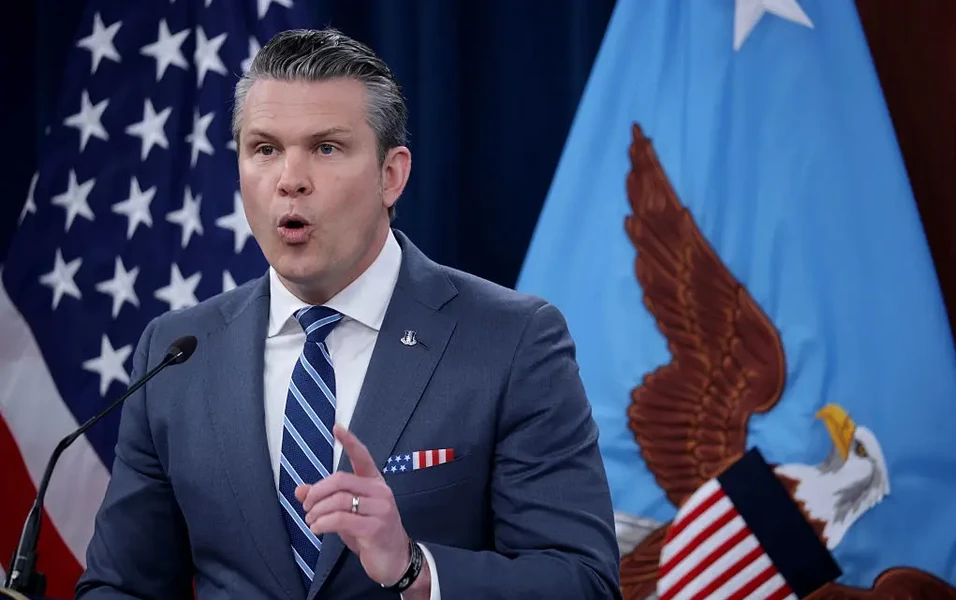
There is also a subtle split in how the incident has been described. Defense Secretary Pete Hegseth said the deadly event happened when an incoming munition hit the tactical operations center, while the Defense Department described an unmanned aircraft system attack and said the incident is under investigation.
Army Reserve leadership, meanwhile, has focused on service and sacrifice, not the mechanics of the strike. In a news release, Lt. Gen. Robert Harter, the chief of the U.S. Army Reserve and commanding general of the U.S. Army Reserve Command, said, “We honor our fallen Heroes, who served fearlessly and selflessly in defense of our nation. Their sacrifice, and the sacrifices of their families, will never be forgotten.”
Why Kuwait Is a High-Stakes Stage
Kuwait is not just a map pin. It is a long-running logistics and staging node for U.S. forces in the region, which makes any successful strike there a test of base defense, early warning, and escalation control, especially if Iran is willing to hit nodes tied to U.S. command-and-control.
The Army Reserve also released biographical details that underline how varied Reserve service can be, from Khork’s deployments to Saudi Arabia, Guantanamo Bay, and Poland, to Amor’s deployments to Kuwait and Iraq, to Tietjens’ previous Kuwait deployments. Coady enlisted in 2023 and was posthumously promoted from specialist to sergeant.
As the investigation continues, another number is moving, too. A U.S. official said the count of seriously wounded service members had dropped from 18 to 10 as patients progressed through treatment, a reminder that the battlefield story is still being written in hospitals as well as in briefings.