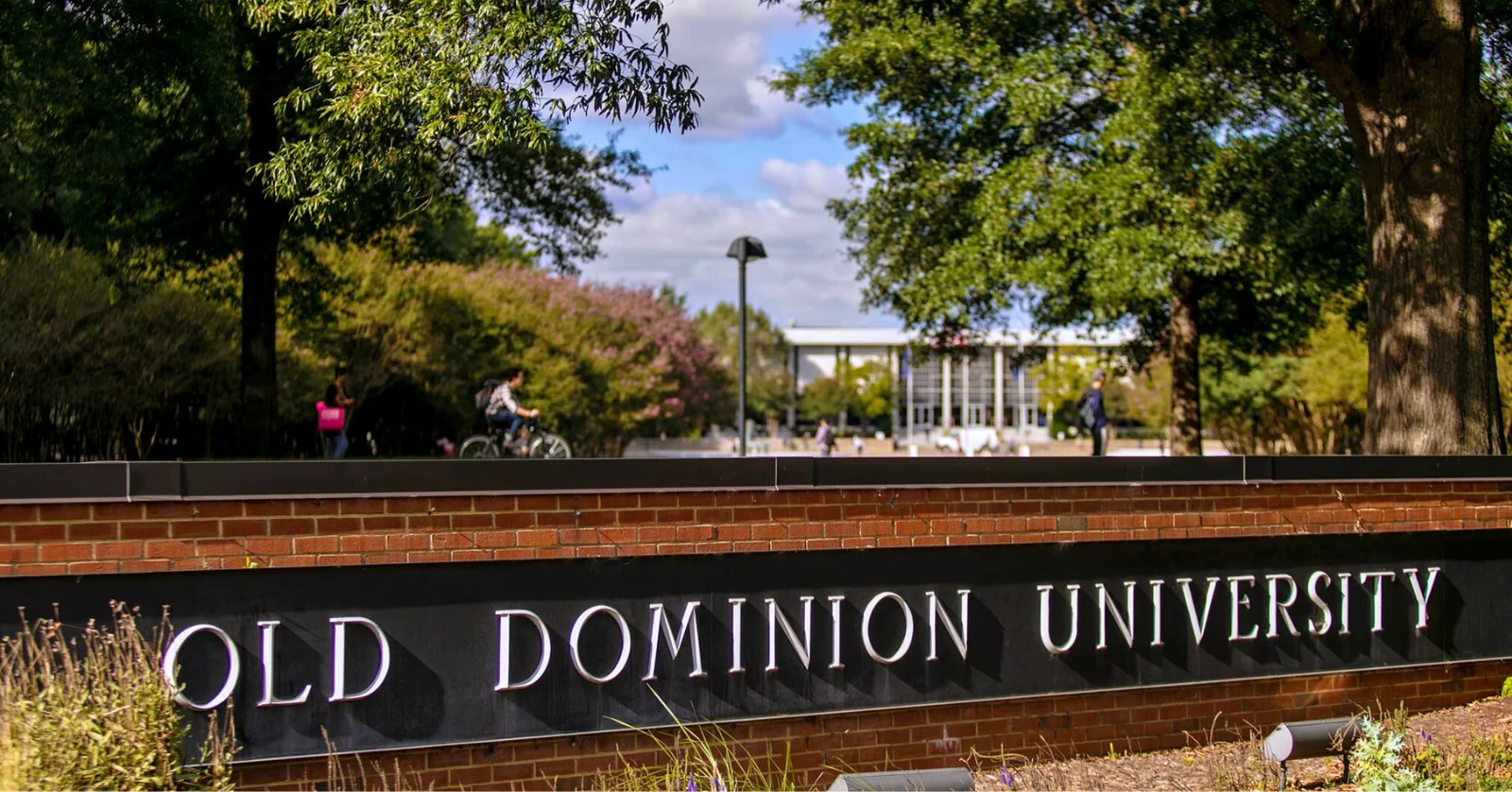


Less than two hours separated a classroom shooting at Old Dominion University in Virginia and an attack on a major synagogue outside Detroit. The details are different, but the pressure point is the same. Who gets stopped, who slips through, and who decides what counts as terror?
What You Should Know
Authorities say one person was killed and two were wounded in a shooting at Old Dominion University, and no children were hurt when a man crashed into a Michigan synagogue and exchanged gunfire with security. The FBI is leading both investigations.
In Virginia, officials say the shooter was Mohamed Bailor Jalloh, a former Virginia Army National Guard member with a prior federal conviction tied to the Islamic State. In Michigan, authorities identified the attacker as Ayman Mohammad Ghazali, 41, a U.S. citizen who, officials said, had recently learned family members were killed in an Israeli airstrike in Lebanon.
Two Scenes, One Race to Intervene
At Old Dominion, authorities said Jalloh opened fire in a classroom after asking if an ROTC event was happening and yelling “Allahu akbar.” Officials said ROTC students rushed him, subdued him, and he was killed during the struggle, limiting what could have been a higher casualty count.
The person killed was identified by authorities as Lt. Col. Brandon Shah, described as an ROTC leader. Sentara Health said one of the wounded was released, and another was listed in fair condition, turning the focus from immediate triage to the harder questions about how a campus ended up in a gunfight.
The Terror Label, and the Paper Trail Behind It
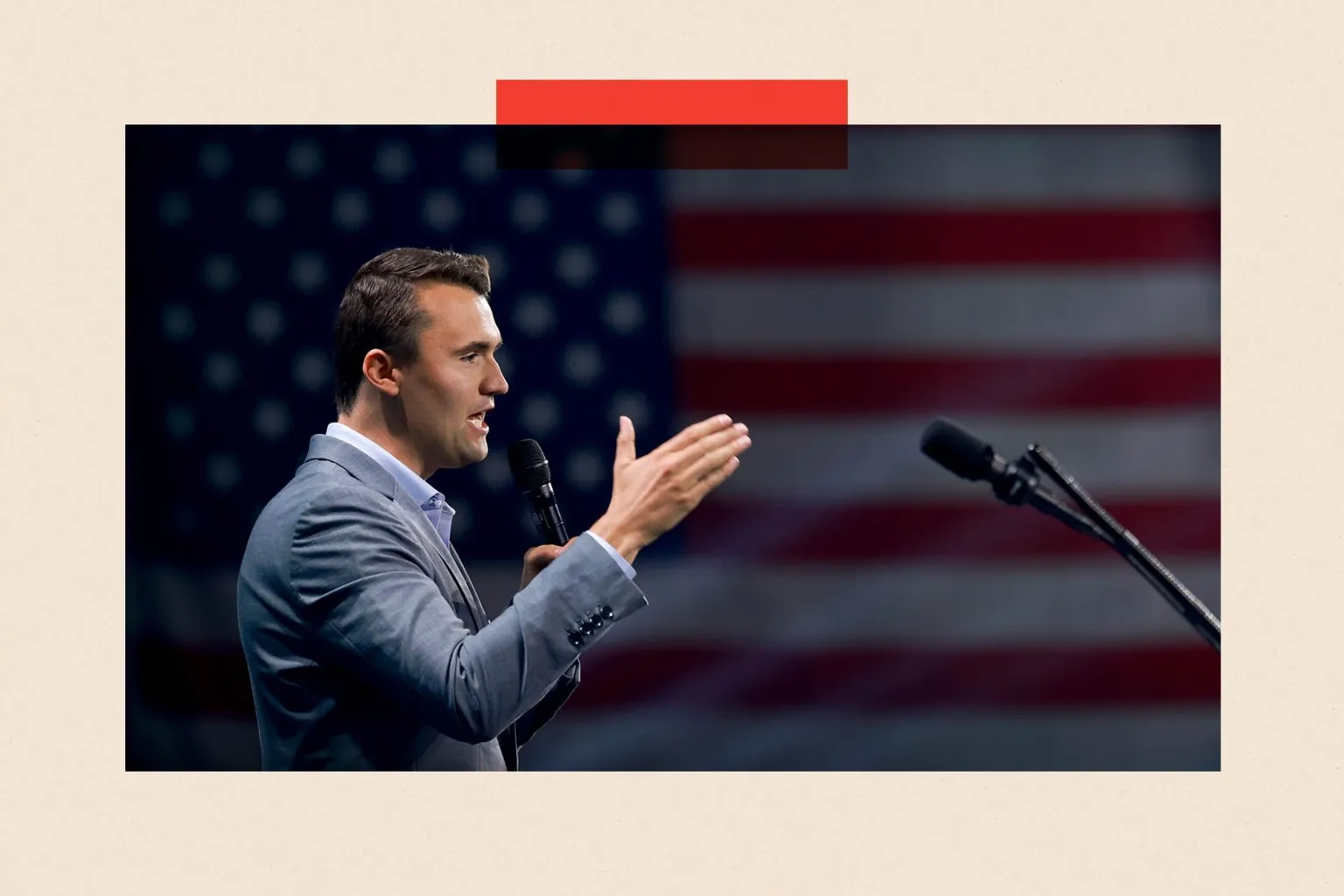
FBI Director Kash Patel said on social media that the Old Dominion shooting was being investigated as an act of terrorism. That framing immediately put Jalloh’s past front and center, because court records and law enforcement accounts say he pleaded guilty in 2017 to providing material support to a designated foreign terrorist organization and received an 11-year sentence.
But the timeline that followed is where the contradiction lives. Associated Press reporting said Jalloh was released early after completing a drug treatment program, even though it was not clear how he qualified because terrorism-related cases are typically ineligible for sentence-reducing credits. Court records also show he moved through a residential reentry center, and officials said he was on probation and taking online classes at the university when the shooting happened.
At the Synagogue, Planning Beat Firepower
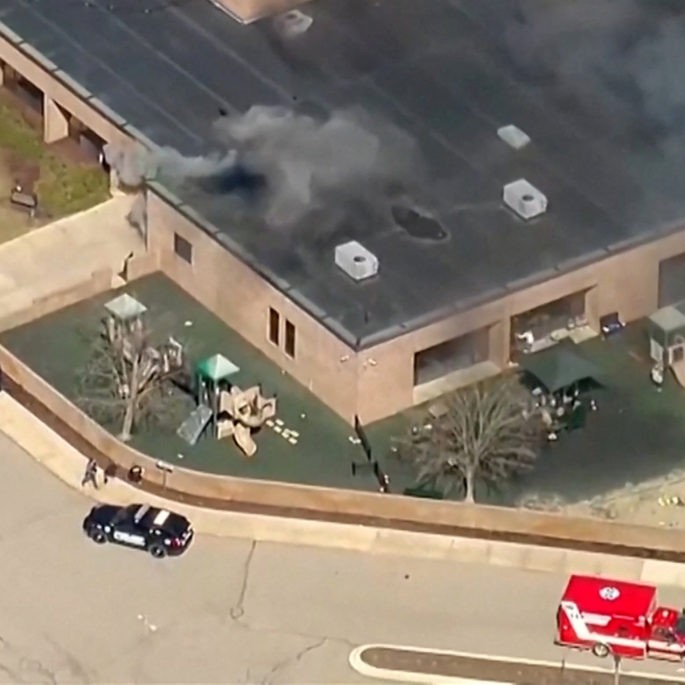
In Michigan, authorities said Ghazali waited outside Temple Israel near Detroit for about two hours with a rifle, commercial-grade fireworks, and containers of liquid believed to be gasoline, then rammed into the building while children and staff were inside. Officials said an armed security guard exchanged gunfire with him, and Ghazali later shot himself after his vehicle became stuck and caught fire.
The FBI described it as violence targeting the Jewish community, but said there was not enough evidence yet to call it an act of terror. Oakland County Sheriff Mike Bouchard credited preparation and training for the quick response, and federal authorities said a security officer was struck by the vehicle and knocked unconscious.
For institutions that live on open doors and predictable schedules, the takeaway is not abstract. Investigators are now parsing motive, paperwork, and warning signs, while campuses and congregations watch how quickly the system can shift from prevention plans to classification fights.