

Donald Trump does not just campaign like he is running for president. He campaigns like he is storming a position. The question hanging over 2026 is simple: when a candidate talks like politics is war, who is he aiming at, and who is he training to act?
What You Should Know
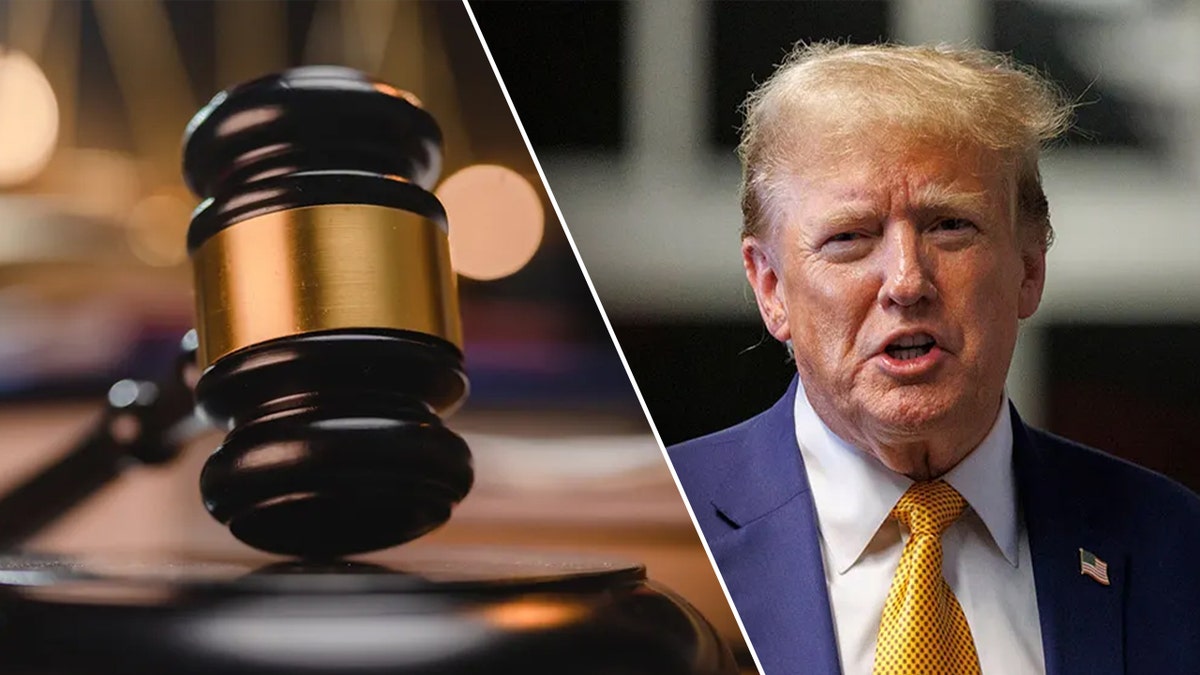
Trump has used militant and revenge-themed rhetoric while facing multiple criminal prosecutions, including a federal election-interference case in Washington. Prosecutors allege a conspiracy to overturn the 2020 election, and Trump has denied wrongdoing and pleaded not guilty.
The tension is that Trump is trying to win power back through ballots while fighting to keep personal power through courtrooms. That overlap makes every heated line do double duty: rally the base, and signal to witnesses, jurors, and rivals that the consequences for crossing him could be personal.
Rhetoric as Strategy, Not Accident
The Hill argued that Trump’s escalating war-style language is not harmless color. It is a governing preview. In that framing, the point is not simply to entertain crowds. It is to normalize the idea that politics is combat, and that opponents are enemies rather than fellow citizens.
Trump has leaned into the idea that he is not just a candidate, but a vehicle for payback. At the Conservative Political Action Conference in March 2023, he told supporters, “I am your retribution.” That is a promise with two audiences: voters who want a fighter, and insiders who understand what a second term could mean for federal agencies, prosecutors, and regulators.
The Legal Line and the Political One
In the federal indictment filed in Washington on August 1st, 2023, the U.S. Department of Justice laid out an alleged plot to overturn the 2020 election through false claims, pressure campaigns, and attempts to block the certification of Electoral College votes. Trump has called the prosecutions politically motivated, and he has pleaded not guilty in the cases against him.
That creates a contradiction that is hard to miss. Trump presents himself as the victim of a “weaponized” system, but the indictment describes an alleged attempt to weaponize government power from the inside, using the presidency as leverage over state officials and Congress. It is not just a debate about words. It is a debate about who gets to define legitimacy, and who gets punished for refusing to go along.
Even when no law is broken by a line in a speech, the operational question is what the rhetoric does in the real world. Courts rely on witness cooperation, juror independence, and public confidence that verdicts are not decided by intimidation. A political movement that treats legal defeats as acts of war makes every ruling a new loyalty test.
What to Watch Next
Trump is likely to keep mixing campaign vows with insinuations about enemies, traitors, and payback because it solves a short-term problem. It turns courtroom exposure into a rally and legal detail into a moral drama in which he is the central character.
The next pressure point is not whether the language gets harsher. It is whether institutions, including judges, state officials, and party leaders, decide that fear of backlash is more powerful than the evidence before them.