The word impeachment still works like a match in dry grass, but House Democrats have often treated it like a controlled burn. The question is why a party that spent years investigating Donald Trump also kept declining fresh impeachment pushes when the moment arrived.
What You Should Know
Democrats in the House have at times declined to advance impeachment efforts targeting Donald Trump, even while pursuing investigations and oversight. Trump was impeached twice by the House, and the Senate acquitted him both times.
The latest round of impeachment talk, as described by The Hill, landed in the familiar spot where internal party discipline beats activist momentum: leadership and many rank-and-file Democrats did not move forward with a new impeachment push, despite loud calls from some corners.
Why Democrats Hit Pause
On paper, impeachment is simple. The Constitution says officials can be removed for “Treason, Bribery, or other high Crimes and Misdemeanors.” In practice, it is a two-chamber brawl that demands House votes now and Senate votes later, with careers on the line the whole way.
That is the first constraint Democrats keep running into. If the Senate is not there, impeachment can look less like accountability and more like a messaging weapon, especially when the target is already dominating headlines through courts, rallies, and nonstop media coverage.
The second constraint is time. In periods when Democrats were trying to build cases through investigations, including the post-2016 Russia probe laid out in Special Counsel Robert Mueller’s report, leaders frequently argued for collecting facts, conducting hearings, and letting the public see a record before triggering an impeachment sprint.
Trump Already Had Two Impeachments
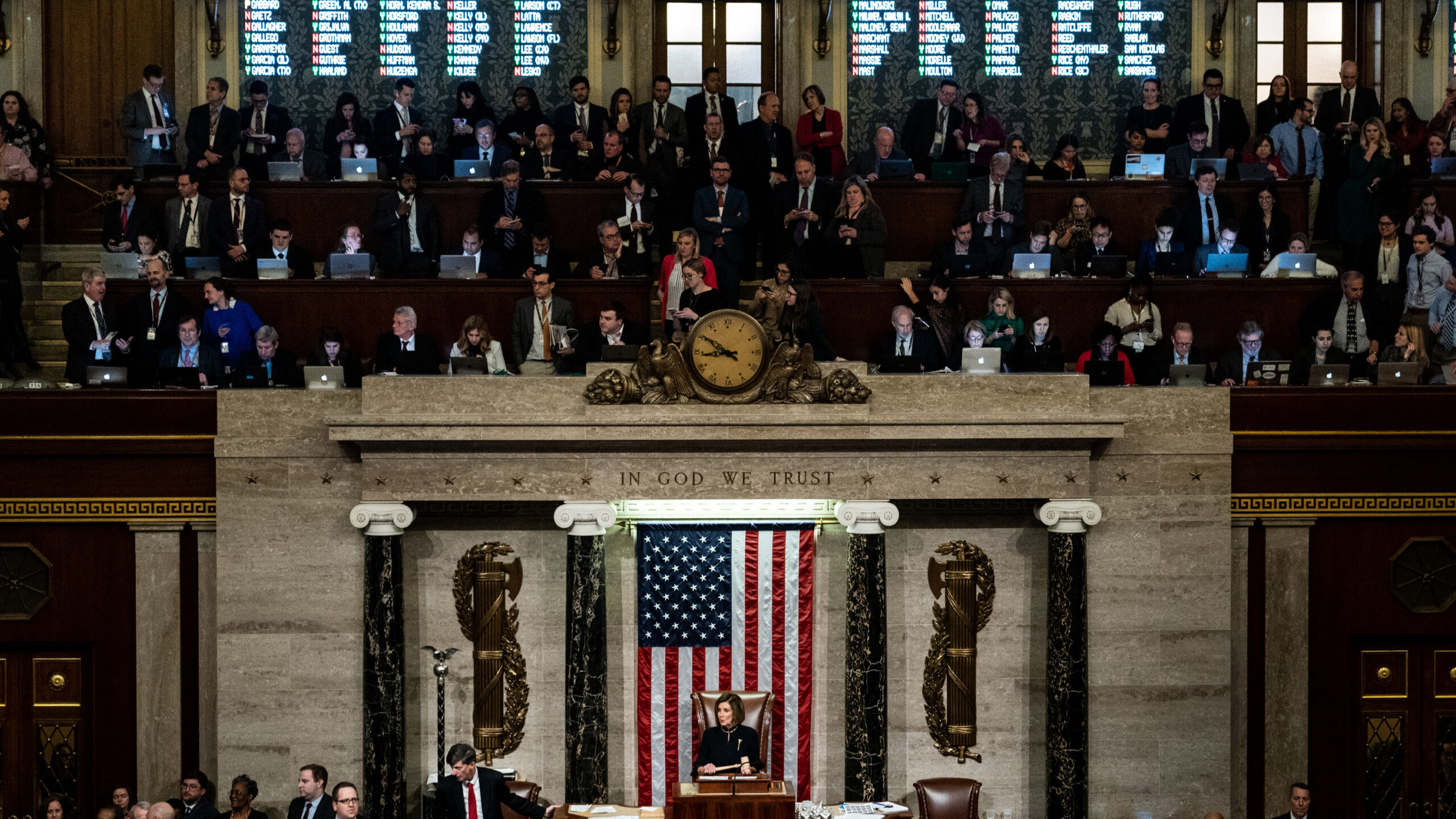
The irony is that Democrats eventually did pull the trigger, twice. The House impeached Trump in December 2019, and it impeached him again in January 2021, making him the only U.S. president impeached twice.
Then comes the part that shapes every future impeachment argument: the Senate acquitted him in both trials. That outcome does not erase the House’s actions, but it does change the incentive structure inside Congress. If conviction is unlikely, leaders have to decide whether the confrontation is worth the legislative paralysis, the election-year backlash, and the risk of looking performative.
What Happens Next When a Party Says No
Declining an impeachment push is not the same as declaring a subject closed. It is a power move about sequencing: when to spend political capital, when to bank facts, and when to force members into a recorded vote that opponents can weaponize.
What to watch is whether future impeachment talk is tied to new evidence, a new congressional majority, or a new strategic need. In Washington, impeachment is never just a legal tool. It is also a timing tool.