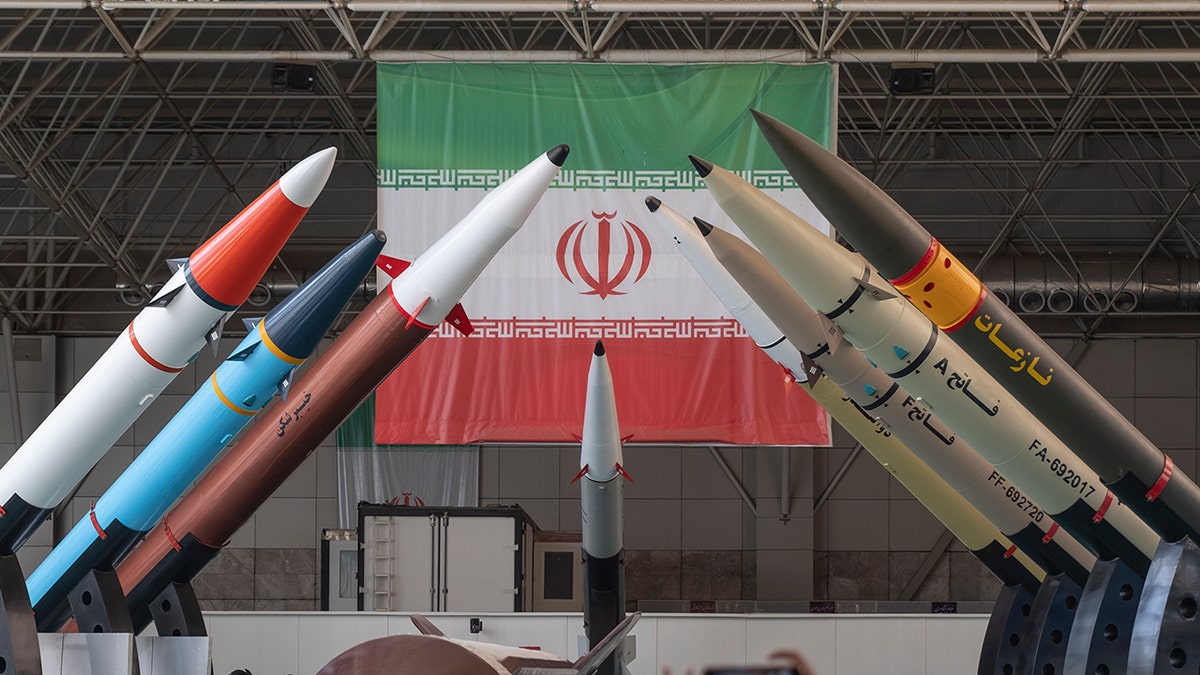
The Pentagon loves to talk about deterrence. Iran, meanwhile, keeps investing in the one thing that makes deterrence messy: the ability to hit large, fixed American footprints fast, and at scale.
What You Should Know
US intelligence and Pentagon materials describe Iran as a major regional missile power with systems designed to threaten US facilities and partners. The January 2020 Iranian strike on bases in Iraq remains a recent real-world example of that risk.
The core tension is simple. The US projects power through a visible lattice of bases, airfields, and logistics hubs across the Middle East. Iran cannot match US airpower, but it can build cheaper, numerous weapons that force those hubs to play defense.
Why Iran’s Missiles Matter to the US Map
A public Defense Intelligence Agency overview, “Iran Military Power,” frames Tehran’s missile force as central to its strategy, with large inventories and increasing accuracy intended to hold regional targets at risk. That matters because fixed infrastructure cannot relocate when the warning siren goes off.
Base defense is also a math problem, not a vibe. Interceptors cost money, magazines run out, and short-range systems have limited coverage. Iran’s advantage is volume, plus a mix of ballistic missiles, cruise missiles, and drones that can complicate detection and response.
The Receipts Iran Already Tested the Theory
Iran has shown, in the open, that it is willing to fire directly at US positions under certain conditions. In a DOD statement dated January 7th, 2020, after Iran launched missiles at Iraqi bases hosting US and coalition forces, the department said it was assessing damage and added that “No U.S. or coalition fatalities have been reported.”
Hours later, the White House message was calibrated to project control. In remarks posted by the Trump White House Archives on January 8th, 2020, President Donald Trump told the country, “No Americans were harmed in last night’s attack by the Iranian regime.” The line soothed, but it also underlined the stakes of the next round. A strike that does not kill can still damage aircraft, runways, fuel, housing, and command systems that make US power feel instant.
What Happens Next for Bases and Deterrence
Iran’s toolbox is not limited to one dramatic volley. The long game is pressure, with enough credible threat to make allies question hosting, insurers and contractors price in risk, and commanders spread assets thinner across more locations.
The next flashpoint will not just be about whether Iran can hit. It will be about whether the US can keep its forward posture without turning every base into a permanent, expensive shield. That is the strategic bill that arrives long after the headlines fade.