Rep. Ryan Zinke is talking about Trump security like it’s a logistics problem, not a cable-news talking point. After Butler, the question is not just who failed. It is who gets to redesign the system, and who benefits from the blame.
What You Should Know
After the July 13th, 2024, shooting at a Trump campaign rally in Butler, Pa., Rep. Ryan Zinke said changes are needed to how Donald Trump is protected. The remarks land as Congress and federal investigators scrutinize the protection breakdown.
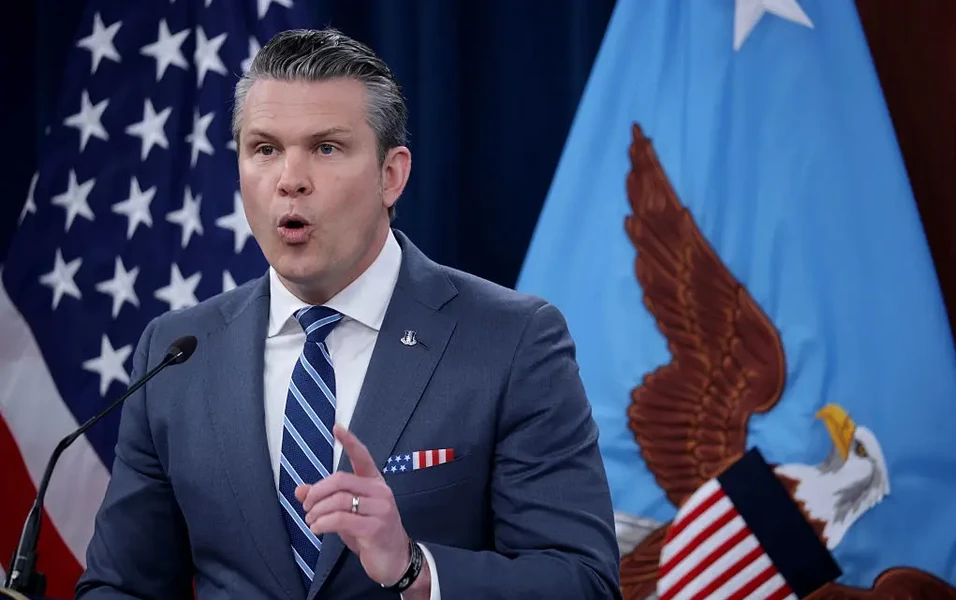
Zinke, a Montana Republican and former Interior secretary, has leaned into the security debate in interviews following the Butler attack, according to The Hill. The subtext is familiar in Washington. When something breaks, the fight quickly turns into a battle over control, jurisdiction, and narrative.
Zinke Is Selling a Fix, and a Message
The attack at the Butler rally is no longer just a criminal investigation. It is also an accountability trap for the U.S. Secret Service, a messaging opportunity for Trump allies, and a high-stakes test of the federal government’s ability to protect major political figures.
Publicly available accounts of the incident describe a shooter firing from a nearby rooftop, Trump being struck in the ear, at least one rally attendee being killed, others wounded, and the shooter being killed at the scene. The FBI has said it took the lead on the investigation, while multiple congressional committees opened inquiries.
Zinke is positioning himself on the side of stronger protection and faster structural change. That posture plays well with a base that views federal agencies with suspicion, even as Trump, a former president and major party nominee, relies on federal protection that ultimately answers to the government chain of command.
The Security Question Is Also a Power Question
Congress has two big tools here, and neither is subtle. It can subpoena officials, and it can write the checks. That means any talk of a revamped protective footprint also runs through lawmakers who may want to spotlight failures rather than quietly solve them.
There is also a built-in contradiction for everyone involved. Trump world wants airtight security, but it also wants maximum political damage from the idea that the system failed him. Agencies want to show competence, but they cannot do that without conceding where procedures, planning, or communication fell short.
“I was shot with a bullet that pierced the upper part of my right ear,” Trump wrote in a statement after the Butler attack, a detail that pushed the episode from abstract threat to personal injury.
The question for Zinke and other Republicans pushing changes is what, exactly, they want altered. More bodies? Different perimeters? New rules for local coordination? Those choices collide with budgets, training pipelines, and the uncomfortable reality that some security debates become serious only after someone bleeds on camera.
What Happens Next
Expect the Butler episode to stay in the churn, because it sits at the intersection of safety, politics, and institutional reputation. Watch for oversight hearings, document requests, and competing demands that agencies explain failures while also promising they can prevent a repeat.
If Zinke wants an overhaul that outlasts a news cycle, he will need more than a warning. He will need Congress to agree on a fix, even while it is still fighting over the storyline.