

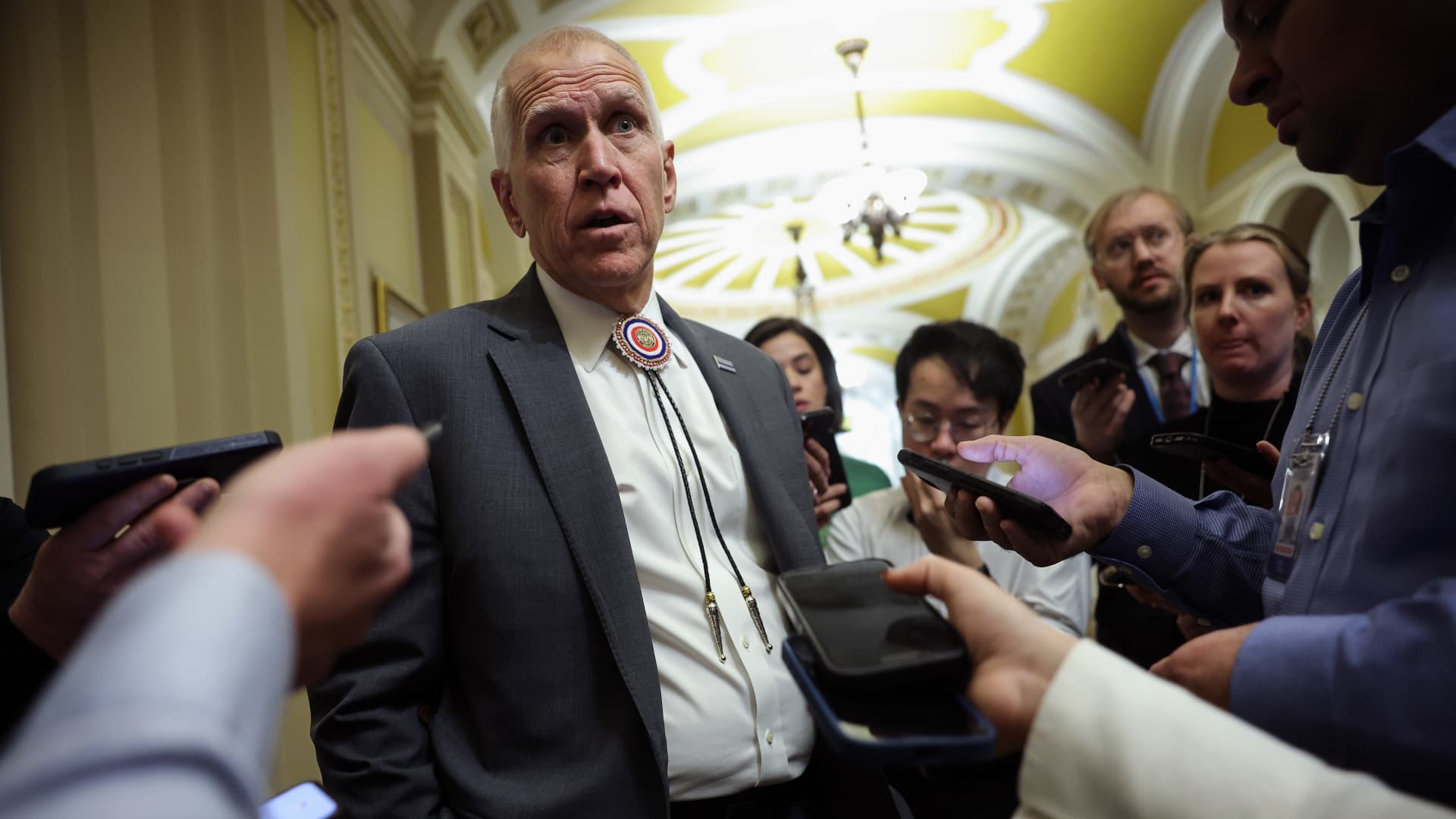
Sen. Thom Tillis just put his name on a nomination fight that is usually sold as technocratic and above politics. The question is whether his early support is a harmless signal, or a down payment on the kind of vote-trading that turns a Federal Reserve pick into a Senate power play.
What You Should Know
The Hill reported that Tillis supports Kevin Warsh’s nomination. Warsh, a former Federal Reserve governor, now faces the Senate confirmation process, where public endorsements can shape momentum well before any hearing gavel comes down.
Tillis, a North Carolina Republican, is not the only senator whose support matters, but he is the type of lawmaker leadership likes to cite when it is building a bipartisan permission slip. Warsh, for his part, is a known name in economic policy circles, which means the battle is less about introducing him than defining him.
Why Tillis’ Nod Matters
Endorsements from senators are not ceremonial when the prize is a powerful economic post. They are vote signals, and they can also be subtle pressure, aimed at colleagues who would rather keep their objections private until the last responsible minute.
The Senate’s own process gives lawmakers plenty of leverage. A nomination can sit, a hearing can be scheduled quickly or slowly, and written questions can stretch the clock while outside groups, donors, and party strategists decide what they want from the nominee.
Warsh and the Fed’s Pressure Cooker
Warsh has already served inside the Federal Reserve System, so the debate is unlikely to be about whether he understands the building. Instead, the friction is usually about what kind of Fed a nominee represents, and who gets to claim credit, or shift blame, for interest-rate pain.
The Fed insists it is insulated from partisan politics, but the stakes are public and immediate. As the Federal Reserve explains its own role, “The Federal Reserve System is the central bank of the United States,” which is a neat sentence until senators start treating that central bank seat like a policy trophy.
That tension is the core contradiction hanging over any Fed-related nomination. Lawmakers will praise “independence” in one breath, then demand assurances about inflation, jobs, bank supervision, and market stability in the next.
What Happens Next
Watch for the usual confirmation choke points: disclosures, committee scheduling, and the written record that opponents use to frame a nominee before television cameras ever show up. If Warsh’s supporters can lock in enough early yeses, the fight gets shorter, and the pressure shifts to fence-sitters who dislike being last.
Tillis has made his position clear, and now the rest of the Senate has to decide whether this nomination stays within the realm of credentials or becomes a proxy war over who gets to steer the economy’s steering wheel.