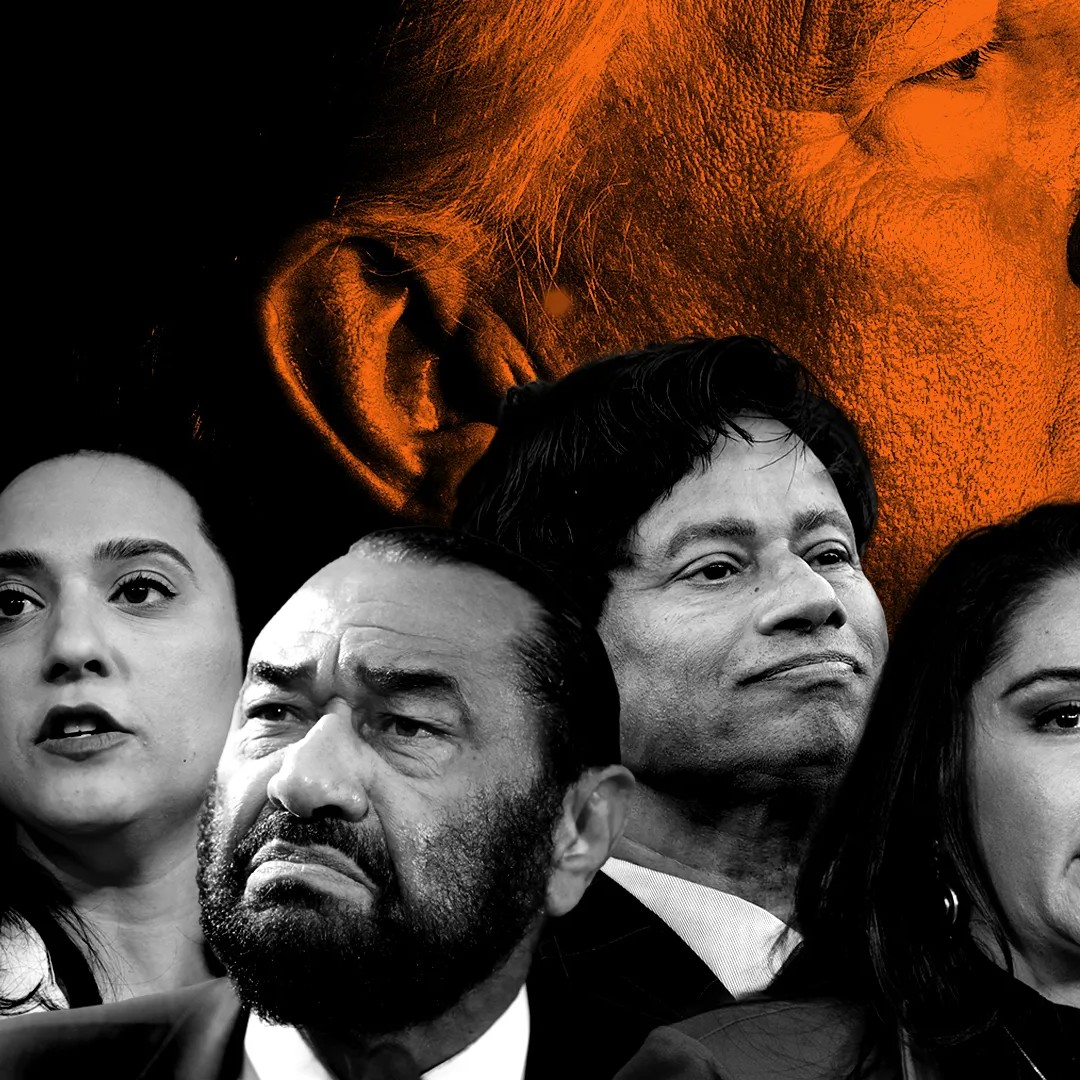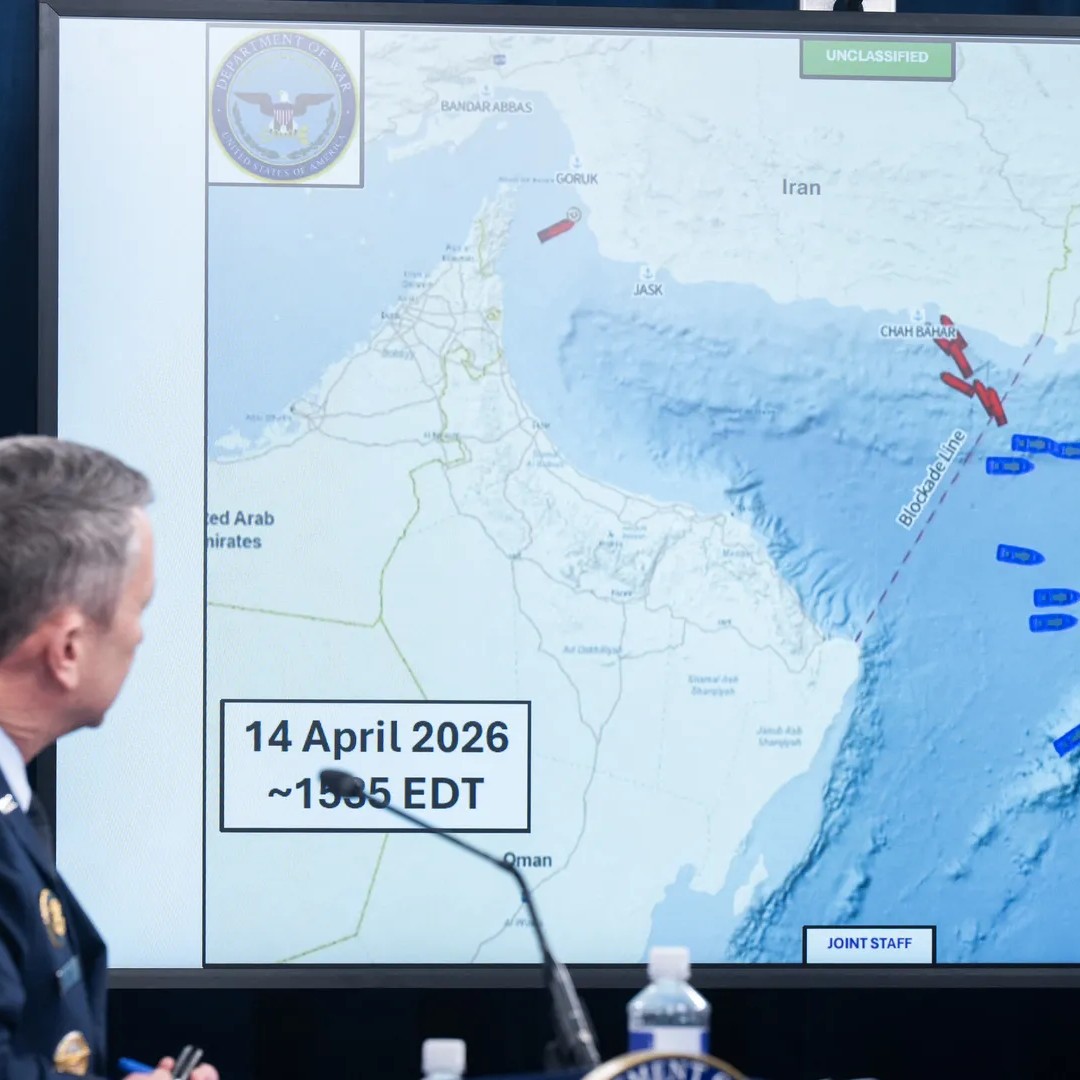



Donald Trump sells himself as the decisive commander. Iran is the one recurring plot line that turns that brand into a loyalty test, with his own coalition arguing over what, exactly, America First is supposed to look like when missiles start flying.
What You Should Know
Axios reported on April 8th, 2026, that pro-Trump media figures and activists are clashing with more hawkish Republicans over how far the U.S. should go in confronting Iran. The dispute puts Trump in the middle of competing demands for strength and restraint.
Trump is the central gravity. Tucker Carlson is the loudest amplifier. Iran is the stressor that keeps forcing the question: Is the movement built for maximal pressure without maximal war, or does it eventually demand both?
The MAGA Foreign Policy Split Screen
On one screen, you have the anti-intervention crowd, which treats Iraq and Afghanistan as permanent cautionary tales, and hears any new Middle East escalation as a rerun with different characters. On the other hand, you have a deterrence faction that wants hard lines, visible consequences, and a president who proves he will hit back.
The power dynamic is simple. Influencers can punish deviation in public, donors can punish it in private, and elected officials can turn it into a procedural fight, from hearings to authorizations. Trump, who thrives on owning every room, does not get to own Iran alone.
Trump’s Iran Record Has Two Modes
Trump has never fit neatly into either camp. He exited the Iran nuclear deal in 2018, a move widely covered as a major policy break with European allies, and he ordered the 2020 strike that killed Iranian Gen. Qasem Soleimani, a moment that raised fears of a wider regional war, according to The Associated Press and BBC News reporting at the time.
But he has also shown a hair-trigger skepticism about open-ended escalation. After Iran shot down a U.S. drone in 2019, Trump told NBC News he had called off a retaliatory strike over casualty estimates: “We were cocked and loaded to retaliate last night on three different sites when I asked, how many will die.”
That contradiction, punish Iran, then step back from a broader fight, is why the current argument matters. It is not a theoretical debate. It is a question of which part of Trump’s record his movement wants him to repeat when the next crisis hits.
What to Watch as Iran Rises Again
Watch for how Trump frames any next step: a narrow strike, a long campaign, a deal pitch, or a warning built for cable news. Also watch whether congressional hawks try to box him in with demands for clarity, and whether the noninterventionist right tries to make restraint a base requirement rather than a preference.
Iran is not just a foreign policy problem for Trump. It is a coalition-management problem, and the people with the microphones are signaling that they plan to treat it that way.