In public, President Trump was projecting a doomsday scenario. Behind the curtain, U.S. and Israeli officials were hearing something very different out of Tehran. Axios says the gap between the threats and the backchannel signals narrowed fast, and then a ceasefire appeared.
What You Should Know
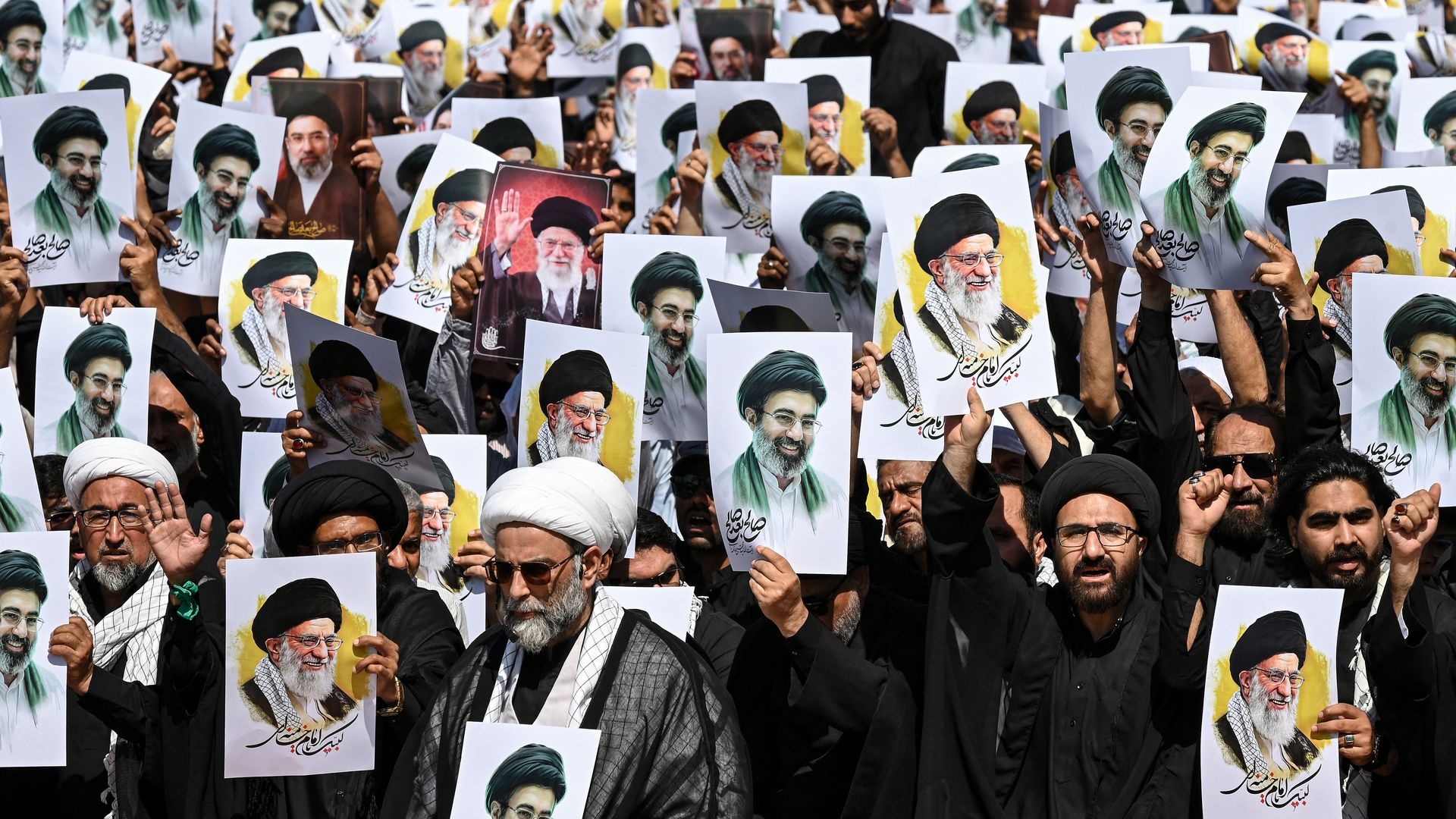
According to Axios, U.S. and Israeli officials learned that Supreme Leader Mojtaba Khamenei instructed Iranian negotiators to move toward a deal as President Trump issued an ultimatum. Axios reported that a ceasefire was later announced, with key details still unsettled.
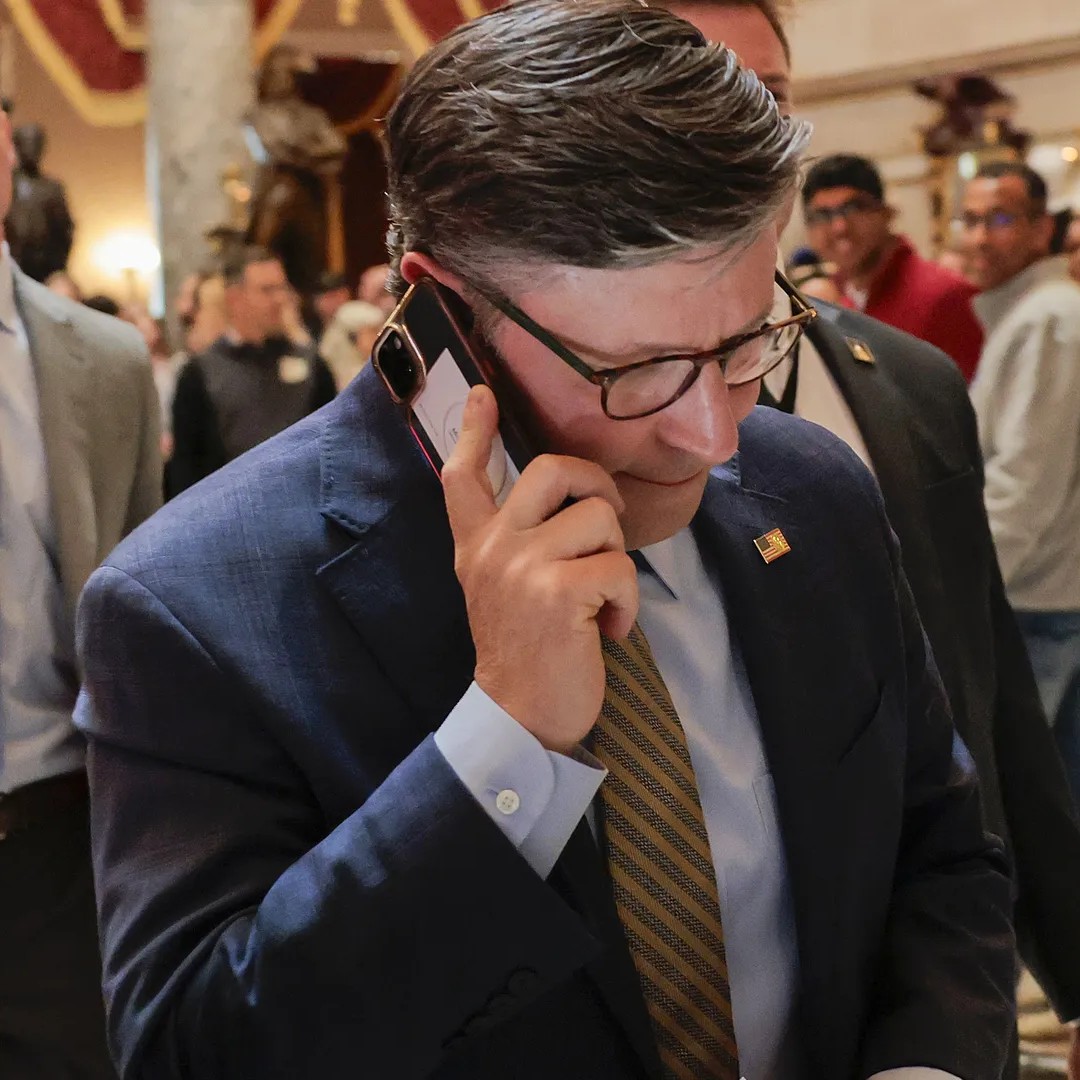
The cast is a familiar mix of megaphones and intermediaries: Trump at the White House, Israeli Prime Minister Benjamin Netanyahu watching the region’s pressure points, and Steve Witkoff, Trump’s envoy, working the phones while war talk stayed on the front page.
The Threats Were Loud, the Diplomacy Was Quiet
Axios framed April 8th, 2026, as a moment when Washington and Jerusalem caught wind of a private instruction from Iran’s new supreme leader. The reported direction was simple and high stakes: move toward a deal, even as Trump’s public posture suggested the opposite.
That contradiction is the point. Axios said Trump was publicly threatening total annihilation while diplomatic momentum built out of sight, to the extent that even people around Trump reportedly did not know which way it would break until a ceasefire was announced.
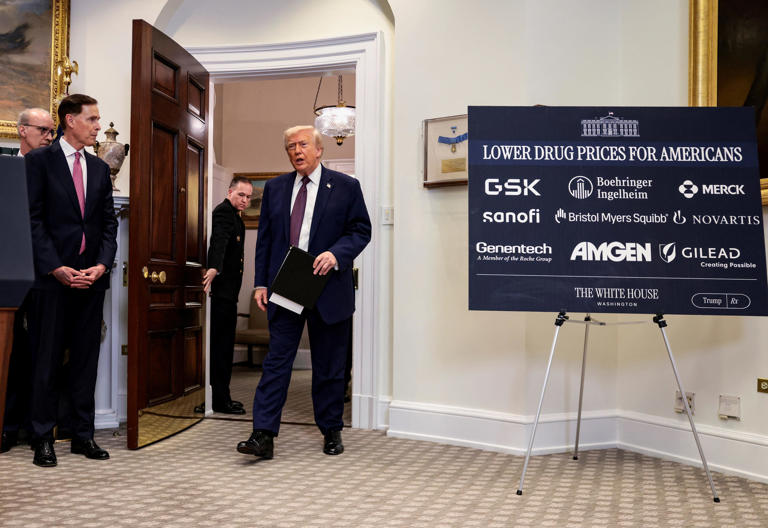
Axios also added a scene that explains how the two-track approach can work in real time. While Trump worked the crowd at a White House Easter celebration, Witkoff, described as angry, was working the phones, a reminder that the people doing the bargaining are often not the ones holding the microphone.
By Tuesday morning, Axios reported, progress was visible enough to register, but the rhetoric continued to climb. Axios attributed to Trump what it called his most harrowing threat: “civilization will die tonight.” The whiplash is baked into the tactic, raising fear publicly while leaving room privately for an off-ramp.
Power, Succession, and a Ceasefire With Conditions
Axios described Mojtaba Khamenei’s involvement as clandestine and laborious, a choice of words that matters in a system where visibility can be its own risk. If the supreme leader is personally steering negotiations, that can concentrate authority, but it also concentrates blame if the result looks like a climbdown.
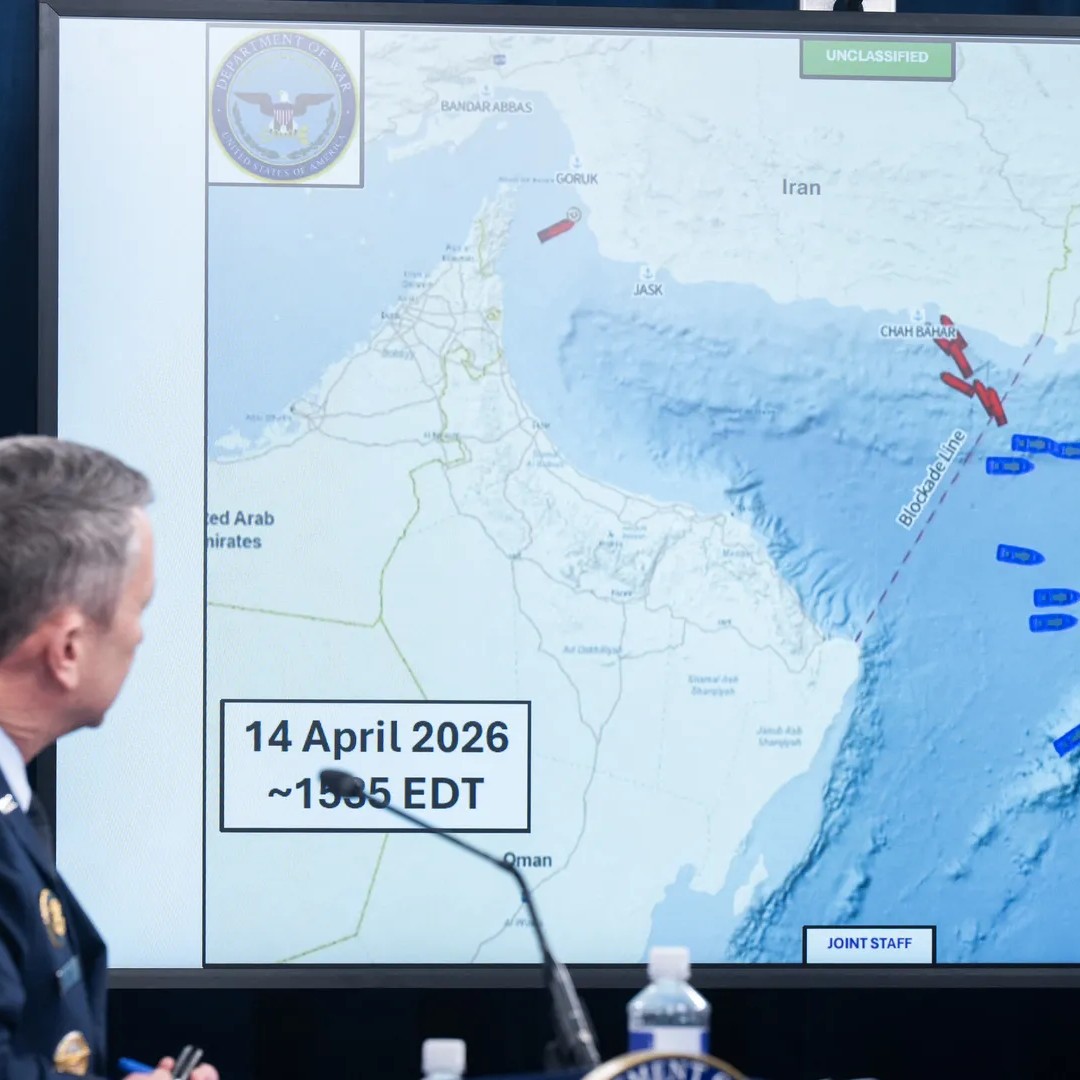
And the ceasefire, as Axios presented it, is not a neat ending. Axios flagged open questions about whether Iran will allow shipping to resume and how firmly Netanyahu will stick to the ceasefire, two tests that translate diplomacy into money, leverage, and domestic politics.
What to Watch Next
The next fight is not only about what was agreed to, but about what gets enforced, tolerated, or quietly ignored. If shipping remains constrained or the ceasefire frays, the same actors could end up rerunning the same play, just with a tighter clock.