

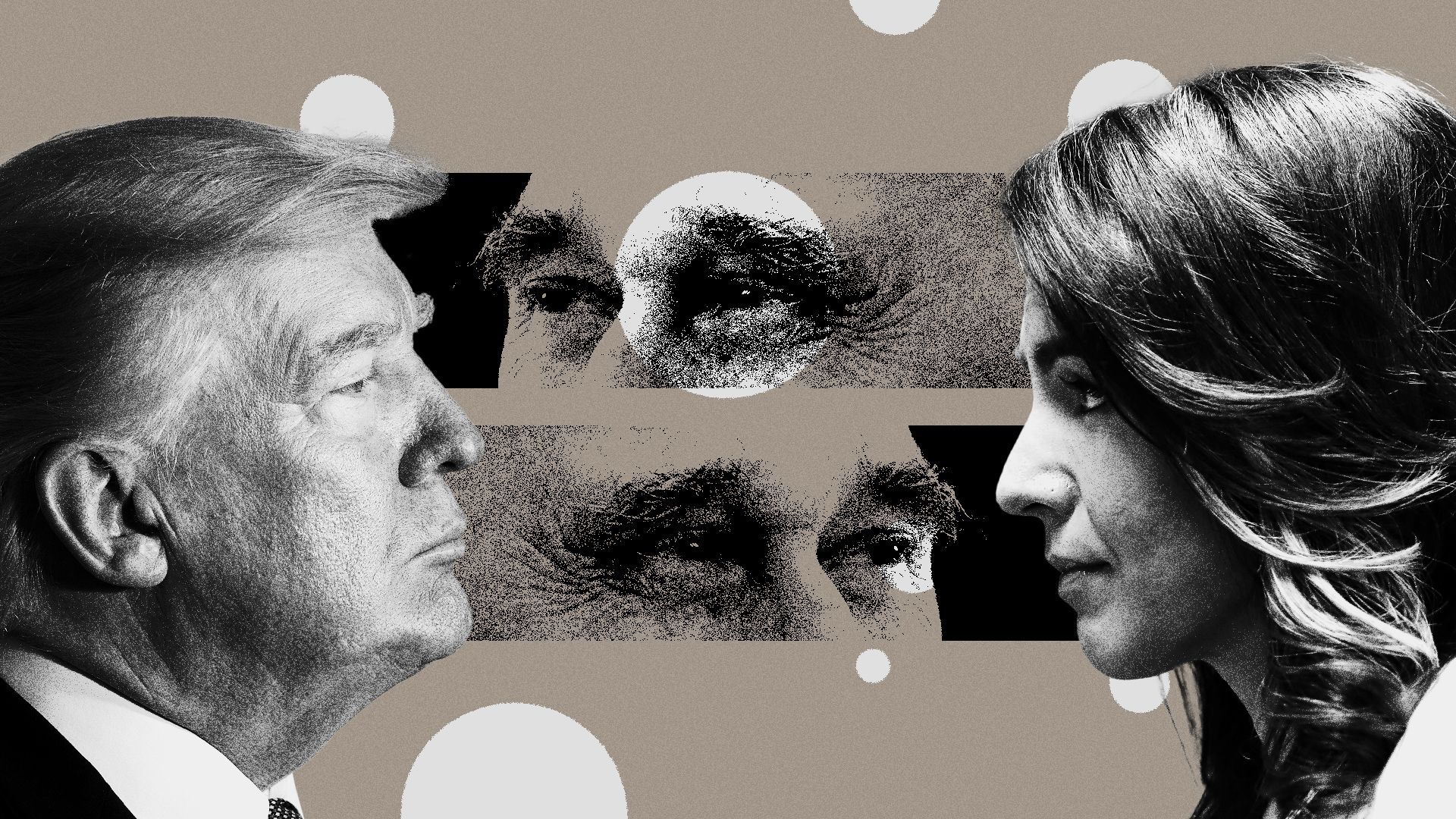
Trumpworld’s latest loyalty drama is not about a speech, a rally, or even a court date. It is about whether the president’s top intelligence official can survive a disagreement on Iran, and who gets to define what counts as disloyal.
What You Should Know
Axios reported on April 10th, 2026, that President Trump considered firing intelligence chief Tulsi Gabbard after she did not fully back an Iran war line in congressional testimony. The outlet said Roger Stone intervened to keep her.
The key players are familiar: Trump, who treats personnel as leverage; Gabbard, a former Democratic congresswoman with an anti-interventionist brand; and Stone, the longtime political operator who still has access when others are stuck outside the rope line.
The Loyalty Test, Iran, and a Possible Firing
According to Axios, Trump was unhappy that Gabbard did not wholeheartedly endorse the Iran war during her testimony about threats to the U.S., a split described by multiple advisers and confidants who spoke with him. That matters because intelligence chiefs are supposed to brief, not campaign, but they also live under a commander in chief who prizes message discipline.
Axios also reported that Trump later confronted Gabbard in private, and two sources said he “scolded” her while questioning her loyalty. The reported sequence is the classic Trump management style: public calm, private heat, and a firing option kept on the table to remind everyone who holds the job switch.
Stone Steps In, Loomer Strikes Back
Then came the counterweight. Axios said Stone argued against firing Gabbard, persuading Trump to back off. The dynamic is revealing, not because Stone holds a government title, but because he has the kind of relationship that can override a president’s irritation when other aides are too cautious to contradict him.
Axios reported Stone’s advocacy for Gabbard fueled a feud with another Trump adviser, Laura Loomer, who has been a frequent critic of Gabbard and has accused her of disloyalty. The fight is less about policy details than about gatekeeping: if you can brand an official as disloyal, you can shrink their influence or force the president to pick sides.
Why This Fight Has Bigger Stakes
Gabbard’s background is the problem and the pitch. She is a combat veteran, and as a public figure, she has spent years criticizing foreign wars and U.S. policy in the Middle East, which can collide with hawkish moments in Republican politics. When Trump wants unanimity on Iran, an intelligence chief with a skeptical war posture can look, to his loyalists, like a speed bump with a security clearance.
For Trump, the immediate stakes are control and cohesion. For Gabbard, the question is whether her brand of dissent can exist within an administration that often treats disagreement as betrayal. For Stone and Loomer, it is power, access, and the right to whisper in the president’s ear when the next staffing decision comes due.
Axios framed the episode as a near-firing that turned into an internal battle between two influential voices around Trump. The next tell will be whether Gabbard adjusts her posture in future testimony, or whether the same loyalty argument resurfaces the next time Iran dominates the briefing book.