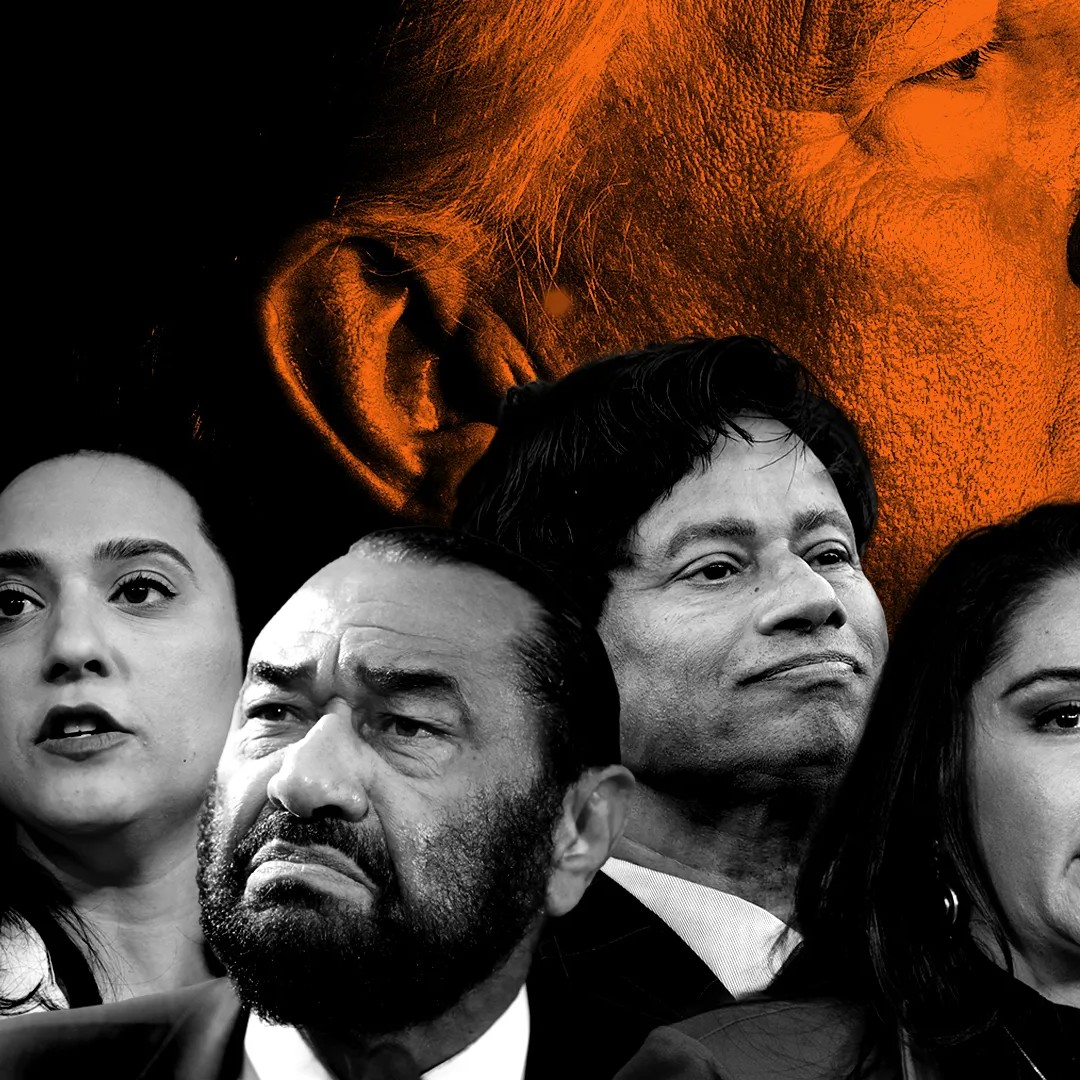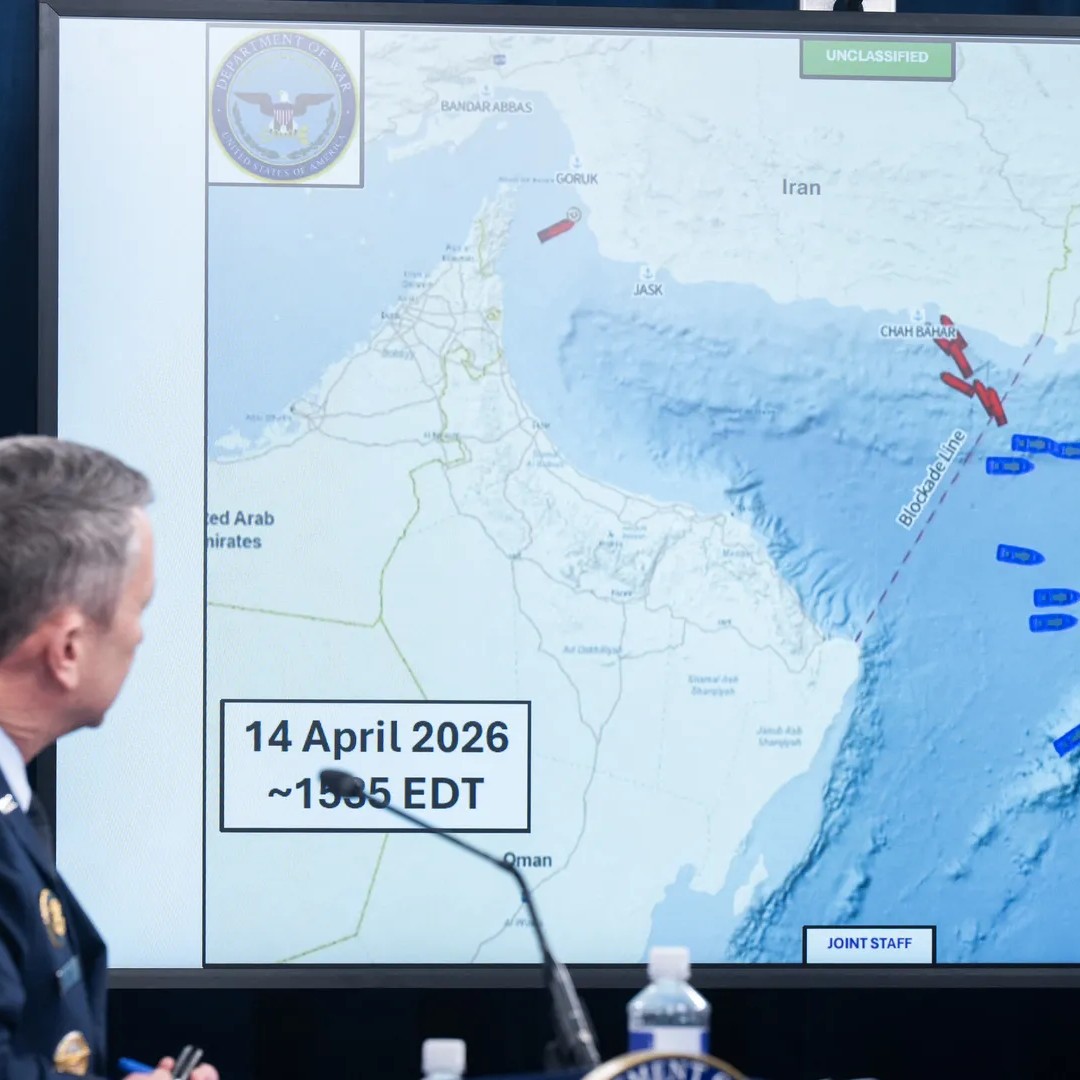
Washington keeps pretending it can avoid an Iran showdown with slogans and cable hits. Meanwhile, on Capitol Hill, the real tripwire is procedural: a War Powers vote that can force lawmakers to go on the record before missiles fly.
What You Should Know
The 1973 War Powers Resolution sets reporting and time limits on U.S. hostilities without congressional authorization. Lawmakers can use privileged resolutions to trigger votes that test a president’s legal theory and political support.
The pressure point is familiar because Donald Trump has already lived it. In 2020, after the U.S. strike that killed Iranian Gen. Qassem Soleimani, Congress moved to curb further hostilities, and Trump rejected the constraint.
The War Powers Trap Door
The War Powers Resolution was written for a specific power fight: Congress trying to pull authority back from the White House after Vietnam. Its baseline demand is consultation, with language that reads like a warning label: “in every possible instance,” the president “shall consult” with Congress before introducing U.S. forces into hostilities.
In practical terms, the law requires the executive branch to report certain military actions to Congress within 48 hours, sets a 60-day clock to end involvement absent authorization, and includes a potential 30-day withdrawal period. Congress can also try to steer outcomes through joint resolutions designed to force votes.
Why Iran Is the Stress Test
Iran is the stress test because it sits at the intersection of big consequences and slippery definitions. Is a strike a “hostility” under the statute, or a limited action under the president’s Article II powers? Does the administration argue it is acting in self-defense, protecting U.S. forces, or responding to attacks by Iran-backed groups?
The Soleimani episode showed the political mechanics. Congress advanced a measure, S.J.Res. 68, directing the removal of U.S. forces from hostilities against Iran without authorization. Trump vetoed it, calling it “very insulting” in his veto message, and the effort to override him fell short. The pattern is the point: presidents often treat War Powers as a speed bump, while lawmakers use it as a spotlight.
What Happens if Congress Tries to Block it
A War Powers vote is not just about law. It is about leverage. It can force fence-sitting members to choose between party loyalty, hawkish donors, anti-war activists, and the simple fear of being tagged as weak if violence escalates.
For a president, the risk is less a courtroom loss than a political bind: an on-record rebuke, a veto showdown, and a narrative that Congress tried to stop a conflict and the White House pushed ahead anyway. The next time Iran becomes the talking point of the week, watch the calendar and the procedural filings, not the speeches.