

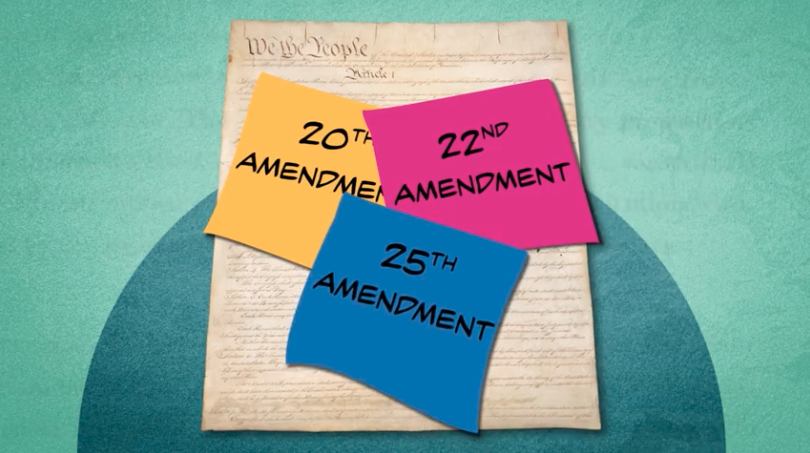
Washington loves a big constitutional threat because it sounds like action. The catch is that the 25th Amendment is not a cable-news button. It is a power transfer mechanism that forces one person, the vice president, to pick a side in public.
What You Should Know
The 25th Amendment outlines a process for transferring presidential power, including a pathway to declare a president unable to perform the duties of the office. That process starts with the vice president and a majority of the Cabinet, and it can trigger a vote in Congress.
A new round of talk linking Donald Trump, Iran, and the 25th Amendment is making the same contradiction pop again: lawmakers can raise the temperature, but the Constitution hands the match to the executive branch, not Congress.
The Threat Is Loud, the Mechanism Is Quiet
When politicians float the 25th, they are often doing two things at once. They are signaling an alarm to supporters, and they are trying to box in rivals who would rather not answer a question about fitness, judgment, or crisis decision-making.
However, the amendment is designed to avoid a parliamentary-style takedown. If you are in Congress, you can talk about it, draft resolutions, and demand answers. You cannot start it on your own.
What the 25th Amendment Actually Says
The text is blunt about who holds the key. It begins with the vice president and a majority of principal officers of the executive departments delivering a written declaration. In the amendment’s words: “Whenever the Vice President and a majority of either the principal officers of the executive departments or of such other body as Congress may by law provide, transmit to the President pro tempore of the Senate and the Speaker of the House of Representatives their written declaration that the President is unable to discharge the powers and duties of his office, the Vice President shall immediately assume the powers and duties of the office as Acting President.”
Then comes the part that turns the process into a political knife fight. If the president disputes the declaration, Congress can be forced into the role of referee, with a high bar for keeping the president sidelined. Translation: the vice president is not just a messenger. The vice president is the face of the move.
Why Iran Turns Fitness Talk Into a Leverage Test
Iran is a recurring stress test for American presidents because it mixes intelligence assessments, military risk, alliance politics, and domestic backlash. In that kind of environment, a 25th Amendment flirtation reads less like a legal plan and more like a pressure campaign aimed at decision-makers inside the administration.
Watch who gets asked to comment, and who goes silent. The real tell is whether anyone with actual authority, especially the vice president and senior Cabinet officials, starts talking about process, continuity, or duty. If they do not, the 25th buzz will likely stay what it usually is: a headline weapon that exposes power and reluctance in the same frame.