What You Should Know
The Trump administration separated some migrant children from their parents under its 2018 “zero tolerance” approach, triggering federal court action and years of reunification work. Officials publicly disputed whether separation was “policy,” even as court filings documented widespread separations.
The Hill revisited that record in a National Security write-up, pointing back to the administration’s own shifting explanations. The core tension has never been subtle: deterrence talk on TV, legal obligations in court, and a bureaucracy that had to live with both.
Deterrence Talk vs Court Records
In spring 2018, the Justice Department announced “zero tolerance” prosecutions for illegal border crossings, a move that set up separations when parents were taken into federal custody. The administration argued it was simply enforcing the law, not choosing to split families.
But the public messaging wobbled in real time. Then-Homeland Security Secretary Kirstjen Nielsen insisted, “We do not have a policy of separating families at the border. Period.” The denials collided with what judges and lawyers were seeing: separations happening at scale, with parents and children tracked through different systems.
The Paper Trail That Wouldn’t Disappear
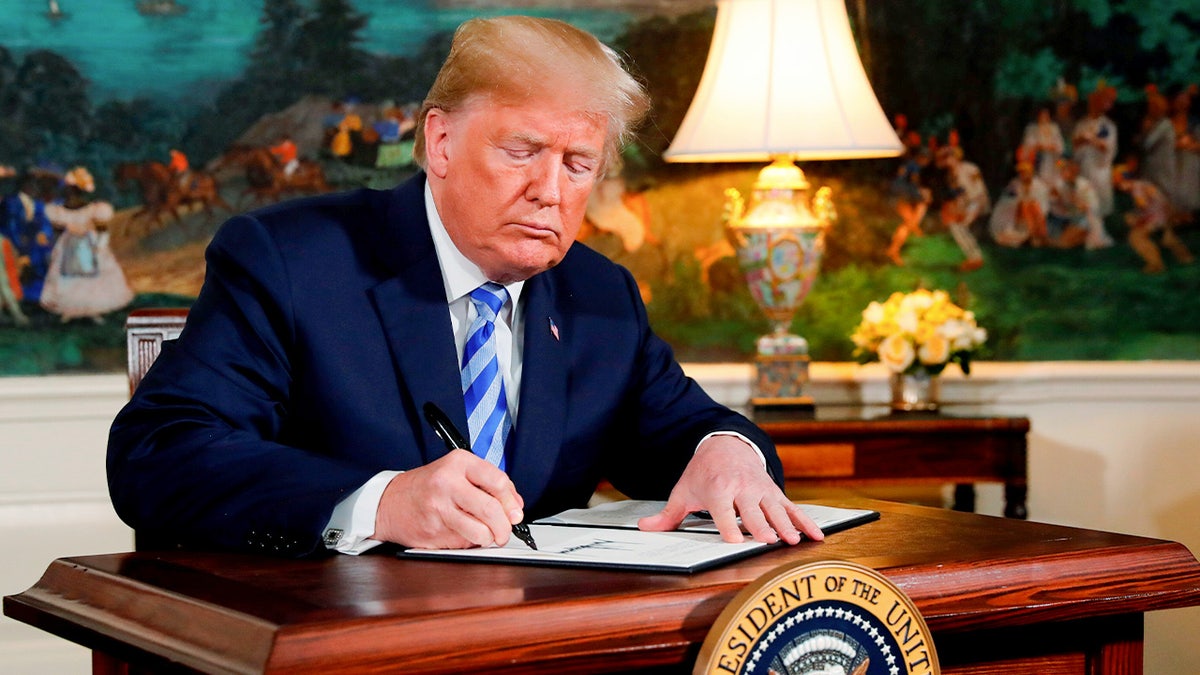
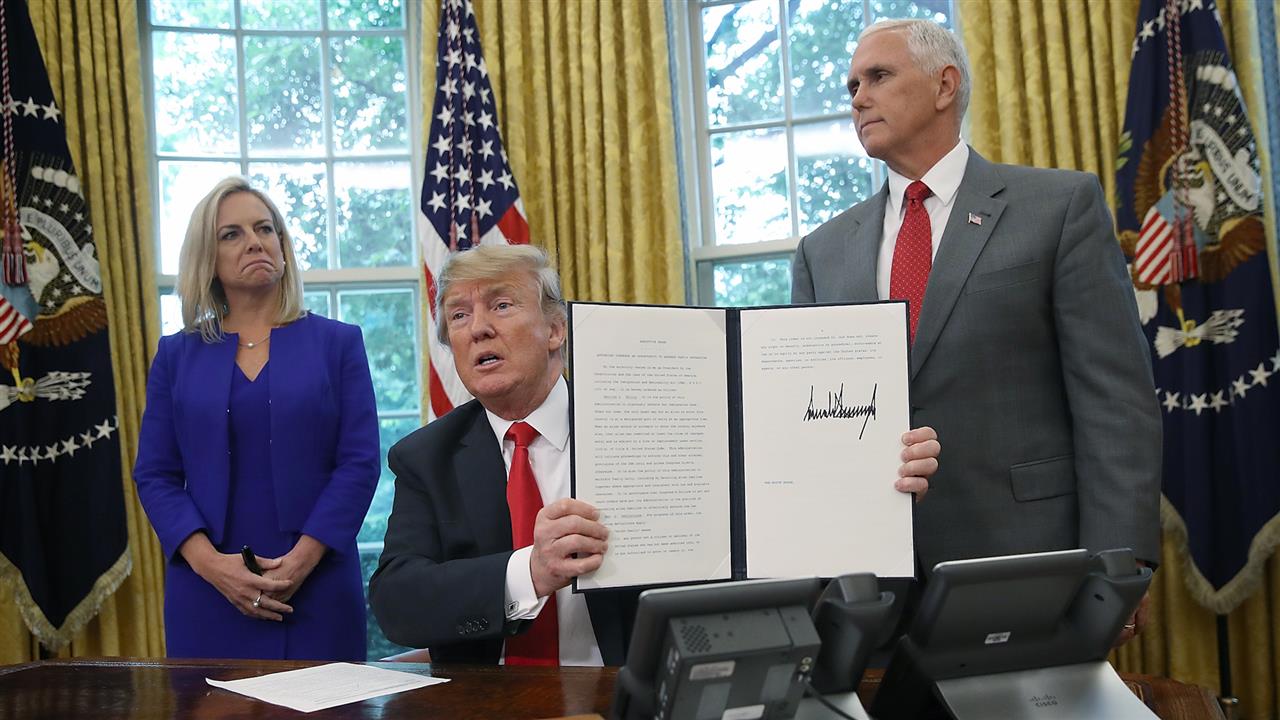
By June 2018, President Trump signed an executive order aimed at ending most new separations, after intense political pressure and sustained coverage of children held in government custody. That move did not erase what had already happened, nor did it dissolve the lawsuits that followed.
One case became the center of gravity for the entire controversy: Ms. L. v. ICE, a class action that compelled the federal government to pursue court-ordered reunifications and ongoing reporting requirements. Once a judge is asking for numbers, timelines, and processes, a communications strategy is no longer enough.
That is the power dynamic critics keep pointing to. A White House can set a tone, but agencies must implement it, document it, and defend it in court. When the tone shifts, the records do not. Parents were deported in some instances without their children, and reunification required investigators, databases, and case-by-case work that outlasted the political moment that created the crisis.
Meanwhile, the policy debate kept cycling back to the same rhetorical fork in the road. Was family separation an intended deterrent, or an incidental byproduct of prosecutions? The more officials argued it was not a “policy,” the more the mechanics of government made it look like one in practice.
What Happens Next, Legally and Politically
Family separation is now less a single decision than a standing warning about how quickly immigration enforcement can turn into litigation, oversight, and long-term costs. Any future administration looking for a crackdown will still be staring at the same lesson: the courts read the record, not the talking points.