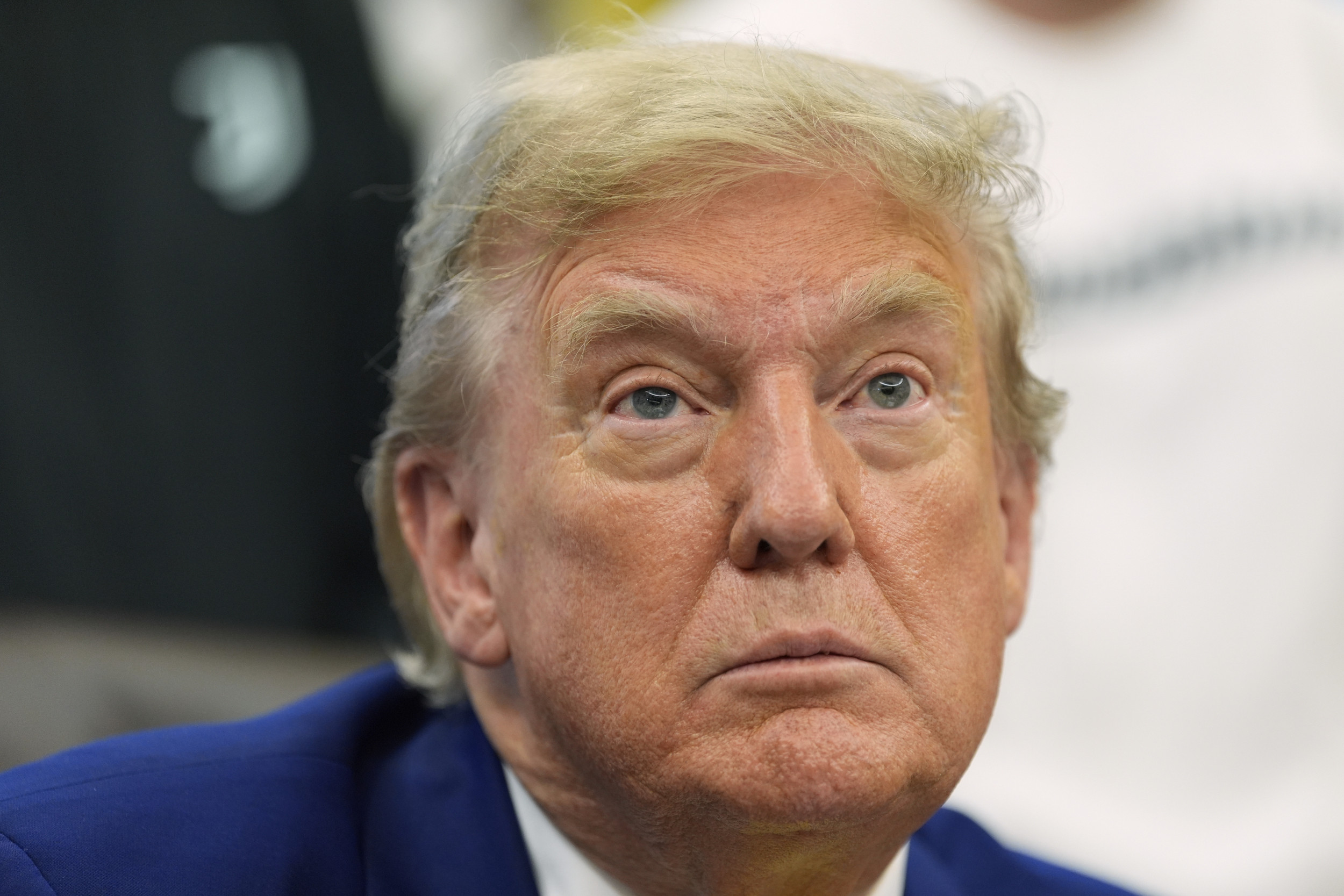
Trump is back to talking about Iran in end-of-the-world terms. The question is not whether the line lands with a crowd. It is what it signals about the decisions that would come after the applause.
What You Should Know
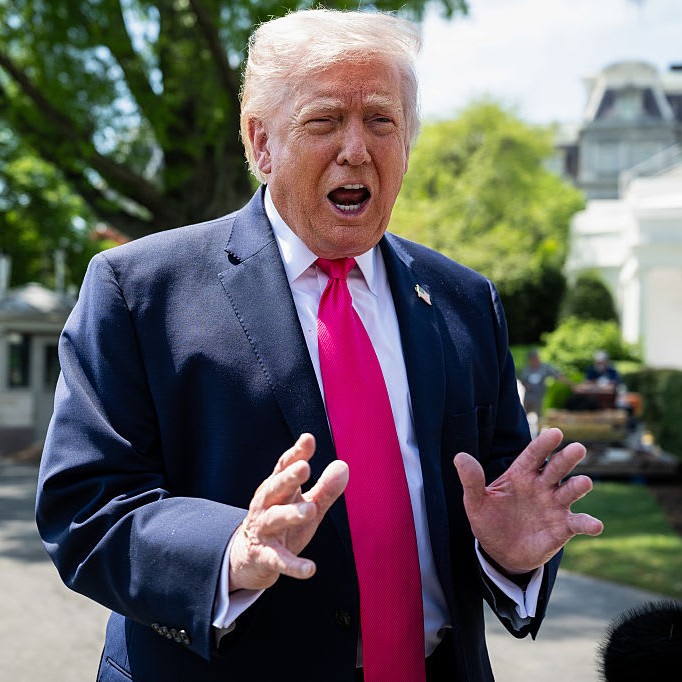
The Hill reported that Donald Trump defended describing Iran as a “threat to civilization.” His earlier Iran record included leaving the 2015 nuclear deal, restoring sanctions, and authorizing a strike that killed Iranian Gen. Qassem Soleimani.
The phrase matters because it serves double duty: as campaign messaging and as a preview of how a future administration might frame risk, urgency, and justification. When a candidate talks like a prosecutor, allies listen, adversaries listen, and so do the people who would have to carry out any order.
The Phrase, the Audience, the Bet
According to The Hill, Trump defended calling Iran a “threat to civilization,” a sweeping label that compresses decades of Middle East policy into one sharp sound bite. It is designed to draw a bright moral line and to make any softer posture look weak by comparison.
However, civilizational language also raises the cost of compromise. If Iran is the menace to everything, then diplomacy looks like appeasement, and restraint looks like retreat, even when the policy details remain vague.
Record vs. Rhetoric on Iran
On May 8th, 2018, Trump announced the United States would withdraw from the Iran nuclear deal, formally known as the Joint Comprehensive Plan of Action. BBC News reported the move brought the U.S. back to sweeping sanctions and put Washington on a collision course with European allies who wanted to keep the agreement alive.
Then came the moment that turned pressure into open confrontation. BBC News reported that the U.S. killed Soleimani in a January 2020 airstrike in Baghdad, a strike the Trump administration said was meant to deter future attacks. Iran retaliated with missile strikes on bases housing U.S. troops, and the region spent days waiting to see whether escalation would stop or stack.
This is the contradiction that keeps resurfacing: Trump sold himself as the candidate who would end “endless wars,” yet his Iran approach included moves that narrowed the off-ramp. The gap between the brand and the record is where opponents hunt, and where allies demand clarity.
What Happens if This Becomes Policy
Iran is no longer a single-issue file. Any future U.S. posture has to account for sanctions enforcement, nuclear monitoring, proxy conflicts, shipping threats, and Israel’s security demands, all at once. A president who frames Iran as a civilizational enemy inherits fewer diplomatic options on Day 1.
That leaves a simple thing to watch: specifics. If Trump keeps defending the rhetoric, the next question is whether he pairs it with a defined end state, or whether the country gets another round of maximal language with maximal ambiguity.