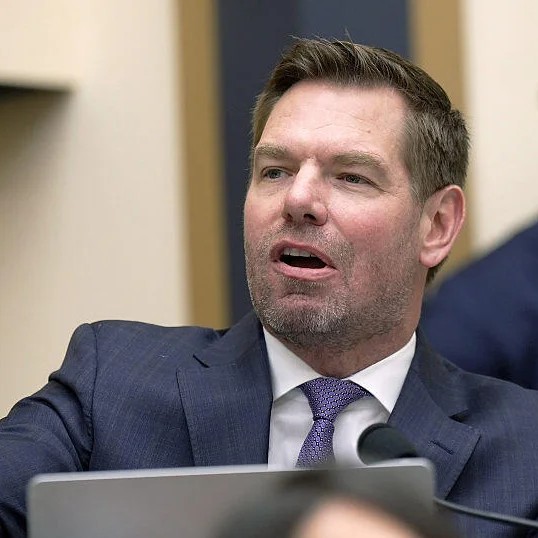
Tim Kaine keeps coming back to the same uncomfortable question for Donald Trump: If you blew up the last Iran deal, why should anyone trust the sequel pitch?
What You Should Know
Sen. Tim Kaine, a Virginia Democrat, is criticizing Trump’s Iran deal talk by pointing to Trump’s 2018 withdrawal from the JCPOA nuclear agreement. Kaine is also highlighting Congress’s role in war powers amid long-running U.S.-Iran tensions.
Kaine’s argument is not that diplomacy is impossible. It is that credibility is a currency, and Trump’s record on Iran is a receipt-heavy story: exit the deal, crank up sanctions, and then navigate the escalations that followed.
Kaine’s Attack Line Is About Credibility
When Kaine takes aim at Trump on Iran, he leans on a contradiction that fits in a single sentence. Trump has described himself as a master negotiator, but he walked away from the biggest Iran nuclear agreement on the table, the Joint Comprehensive Plan of Action, or JCPOA.
That tension matters because the whole point of nuclear diplomacy is verification and follow-through over years, not applause lines. Kaine has long framed Iran as an arena where loose talk, abrupt reversals, and personal bravado can produce hard consequences, including miscalculation, retaliation, or a sprinting nuclear program.
The Paper Trail: Withdrawal, Sanctions, and Escalation
Trump’s break with the JCPOA was not subtle. Announcing the U.S. withdrawal on May 8th, 2018, he called the agreement “a horrible, one-sided deal that should have never, ever been made.” That line became the guiding slogan for a broader “maximum pressure” strategy built around sanctions and isolation.
Supporters argued the move gave Washington leverage and punished Tehran for malign behavior beyond the nuclear file. Critics, including many Democrats, argued that the exit traded inspections and limits for uncertainty, then dared Iran to respond. Reporting and explainers about the deal’s structure and its unraveling have repeatedly underscored the same central problem: once a major party walks, rebuilding trust is harder than building headlines.
Why Senate War Powers Keep Coming Back
Kaine’s other move is procedural, but it lands like a warning flare. He has repeatedly pushed to reassert Congress’s constitutional role in decisions that could slide the U.S. toward military conflict with Iran, an issue that spiked after major U.S.-Iran escalations in early 2020.
That is the power dynamic underneath the sniping. Presidents can posture and threaten quickly. Senators, if they can muster votes, can force paper constraints, public debate, and political accountability, even if a White House resists.
For Trump, the problem is that Kaine does not have to win the Iran policy debate outright. He only has to keep pointing at the timeline and asking whether “deal” rhetoric is strategy or a rerun. For Kaine, the next test is whether Congress shows up as more than a commentator if Iran tensions spike again.