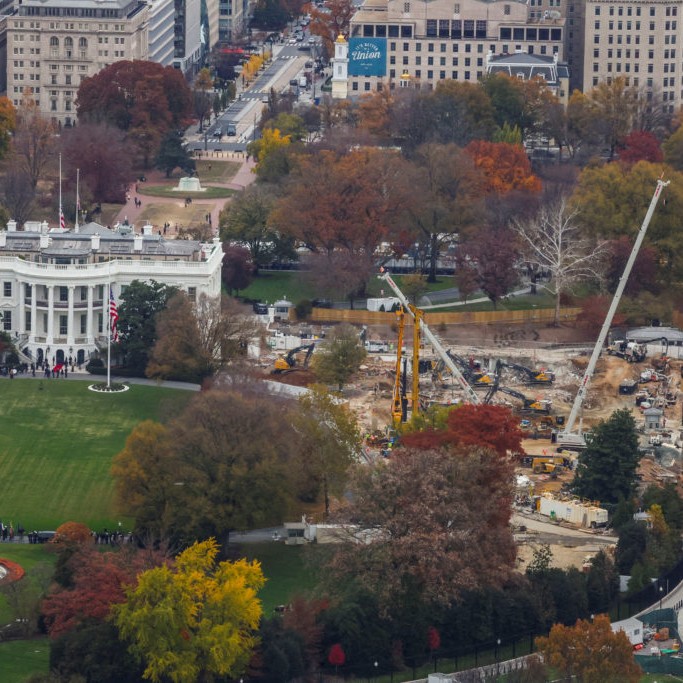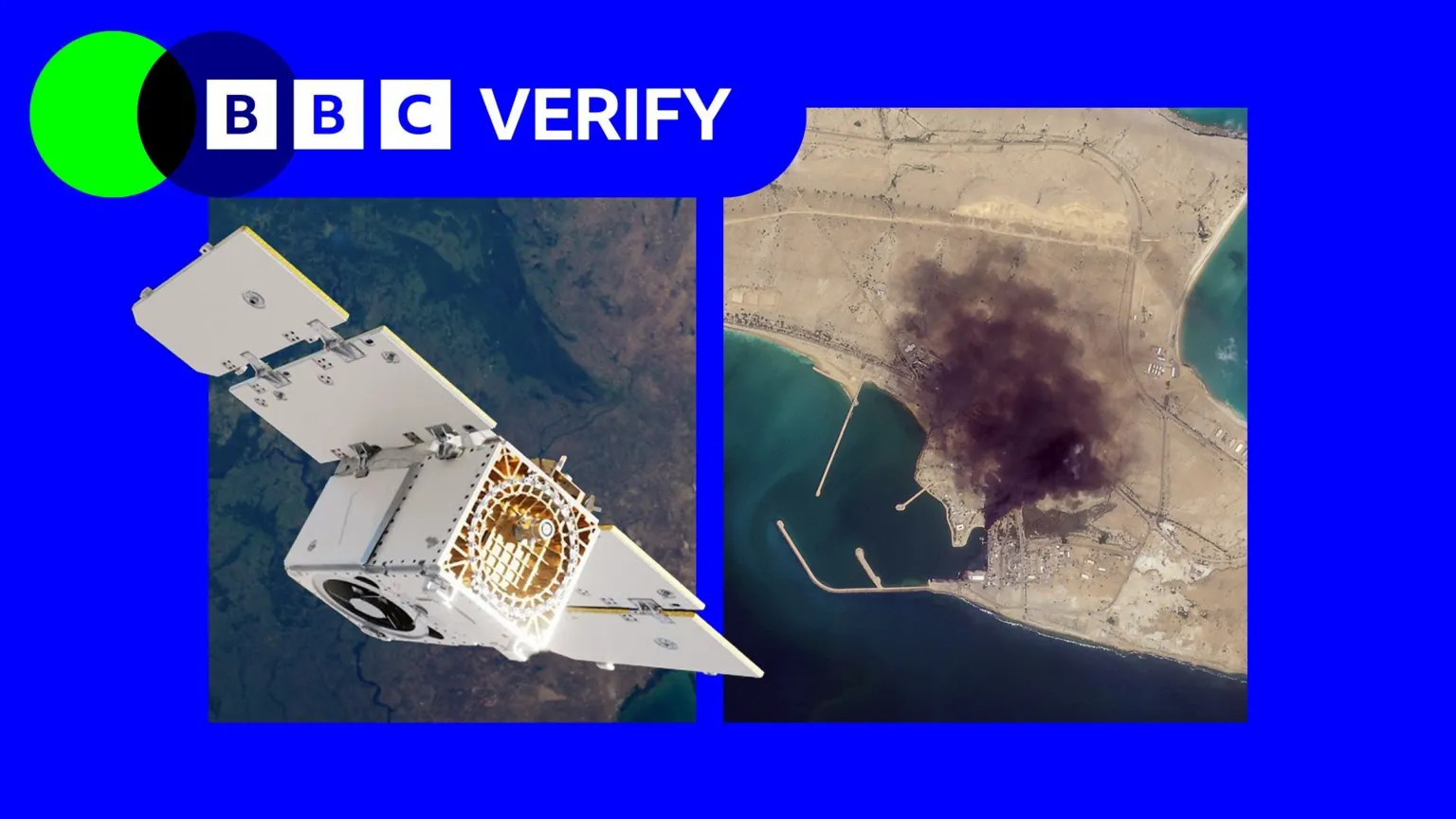
First, the pictures slowed down. Then they stopped, at least for most people who pay to see them. Now, a private satellite company is deciding which slices of a war the outside world gets to examine, and when.
What You Should Know
Planet Labs restricted routine access to new satellite imagery of Iran and large parts of the Middle East at the request of the U.S. government. The company moved from a 14-day delay to an indefinite, managed distribution model.
BBC Verify reported that California-based Planet Labs first imposed a 14-day delay on new imagery in March, then shifted to an indefinite restriction. Based on BBC Verify’s access to Planet’s client portal, the limits appear to cover much of the region, including Iraq, Lebanon, Israel, and Gaza.
A Private Company, a Public Battlefield
Planet’s initial rationale was security. It said the delay was meant to ensure its imagery was not used tactically against allied and NATO-partner personnel or civilians. Later, Planet told BBC Verify it would move to managed distribution, sharing selected images on a one-off basis until, it said, the security risk abated.
That sounds like a policy tweak. In practice, it reshuffles power. When independent reporters, outside analysts, and humanitarian groups cannot routinely pull fresh imagery, the public record of strikes, damage, and claims becomes easier to shape, dispute, or delay.
The U.S. Department of Defense did not respond to BBC Verify’s request for comment about what prompted the pressure. Meanwhile, Planet’s growing footprint in defense work has become part of the story itself, including reported work with the U.S. National Geospatial-Intelligence Agency and, through a subsidiary, the U.S. Navy, as well as with European militaries.
One more wrinkle: a rival provider, Vantor, formerly known as Maxar, told Reuters it had not been asked by Pentagon officials to restrict its coverage of Iran, according to BBC Verify’s account of the reporting. So, the clampdown is not an industry-wide switch, at least not yet.
Who Loses When the Map Goes Blank
Satellite imagery has become a core tool in modern verification, especially where access is dangerous or blocked. BBC Verify cited investigative journalist Benjamin Strick, who described it as crucial in conflict zones, disasters, and other restricted environments where information is tightly controlled.
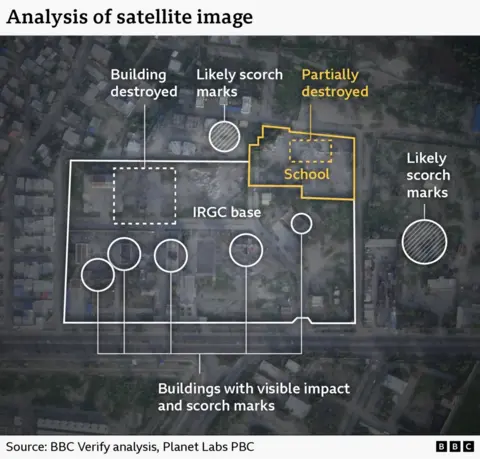
Humanitarian groups say the stakes are operational, not abstract. Oxfam told BBC Verify it has used satellite imagery to plan logistics during live conflicts and disasters, and its humanitarian lead, Magnus Corfixen, described using imagery in Gaza to evaluate whether water systems were still functioning.
Geospatial analyst Bill Greer, who previously worked at Maxar and co-founded the nonprofit Common Space, framed the pressure point bluntly: “When your largest customer is also the government that regulates you, the line between voluntary and involuntary gets very thin.” That is the contradiction at the heart of this fight. The access is marketed as commercial, but the leverage looks political and contractual.
Verification Gets Harder, Fakes Get Easier
When credible imagery slows, the internet does not. BBC Verify also reported concerns that bad actors have exploited the gap to push fake satellite images, citing Soar.Atlas founder Amir Farhand describing a spike in fakes during the conflict.
Even when outlets pivot to non-U.S. options, the tradeoffs are real. New York Times visual investigations journalist Christoph Koettl told BBC Verify, “The imagery is blurrier. I cannot distinguish between cars, vehicles, things like that,” describing the difference between some alternative services and what Planet can provide at scale.
Planet’s policy shift is being sold as a risk management measure. The next test is whether indefinite restrictions become a new normal, and whether the demand for verification pushes clients and governments toward other providers that do not take U.S. calls.