President Trump is talking like the Strait of Hormuz is about to become a checkpoint run by the U.S. Navy. Then a key ally undercut the script, raising a blunt question that matters to markets, militaries, and diplomats: who is actually in this coalition, if there is one?
What You Should Know
On April 12th, 2026, President Trump said the U.S. Navy would begin blockading entry to and exit from the Strait of Hormuz and interdict ships linked to Iranian toll payments. A U.K. spokesperson told CBS News Britain supports freedom of navigation but will not join a blockade.
The announcement came after U.S. and Iranian talks in Islamabad, led by Vice President JD Vance, ended without an agreement to end the war, CBS News reported. Trump framed the dispute around Iranian tolls and nuclear demands, while also teasing help from other countries.
The Blockade Claim Meets a Reality Check
In a Truth Social post cited by CBS News, Trump declared: “Effective immediately, the United States Navy, the Finest in the World, will begin the process of BLOCKADING any and all Ships trying to enter, or leave, the Strait of Hormuz.” He also said the Navy would seek out vessels that have paid tolls to Iran and would start destroying mines, he said Iran laid.
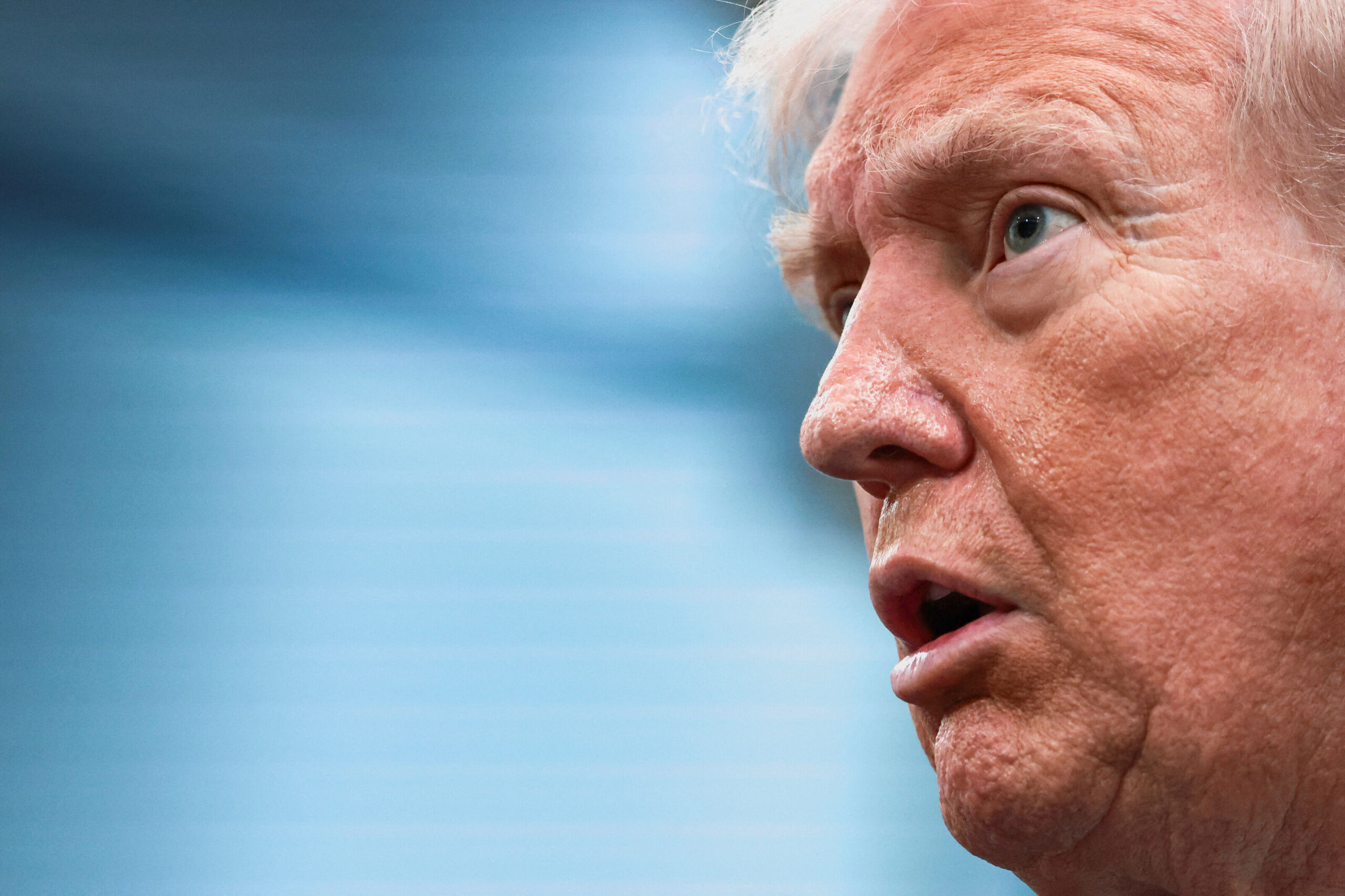
Hours later, the U.K. piece of Trump’s messaging ran into a hard stop. A U.K. government spokesperson told CBS News: “We continue to support freedom of navigation and the opening of the Strait of Hormuz, which is urgently needed to support the global economy and the cost of living back home.” The spokesperson added Britain was working with France and other partners on maritime protection, not a blockade.
The Legal and Economic Pressure Point
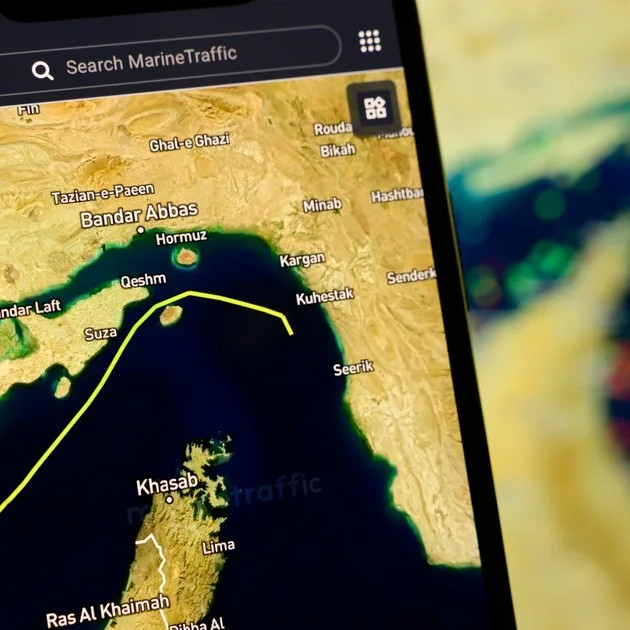
The fight is over more than a headline. The Strait of Hormuz is a narrow corridor that connects the Persian Gulf to the Gulf of Oman, and it is one of the world’s most strategically significant maritime chokepoints, a fact outlined in general geographic references such as Encyclopaedia Britannica.
Then there is the legal gray zone. Under the United Nations Convention on the Law of the Sea, straits used for international navigation have specific transit passage protections, which is why phrases like “freedom of navigation” show up so quickly in official statements. A declared blockade, even if framed as an interdiction of toll-paying vessels, is the kind of move that can trigger disputes over authority, rules of engagement, and the risk of retaliation.
Allies, Mines, and the Next Moves to Watch
CBS News also cited analysts at Lloyd’s List Intelligence describing an alleged Iranian IRGC “toll booth” regime that pressures ships into documentation, clearance codes, and escorted passage, with at least two vessels reportedly paying fees in Chinese yuan. If that system is real and scaling, it creates an incentive for Washington to act. If Washington overreaches, it risks widening the fight and splintering allies who want protection without a blockade label.

What happens next is likely to hinge on operational proof, not slogans: interdictions, mine-clearing activity, and whether any partner governments publicly sign on. Trump said the blockade would begin shortly, but the U.K. pushback shows that diplomacy can unravel in real time.