

The Strait of Hormuz is one of the few places on Earth where a single order can rattle oil prices, trigger naval brinkmanship, and force Washington to answer a blunt question it hates answering in public: who decides when pressure becomes war?
What You Should Know
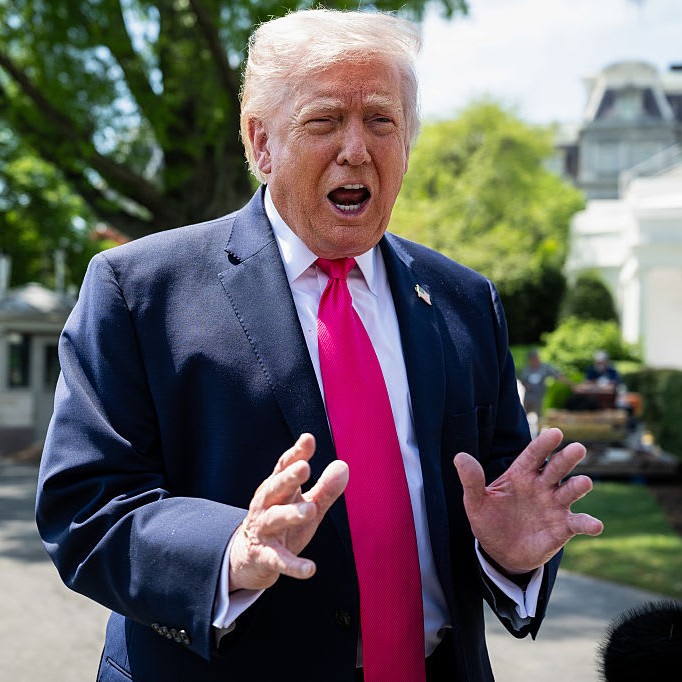
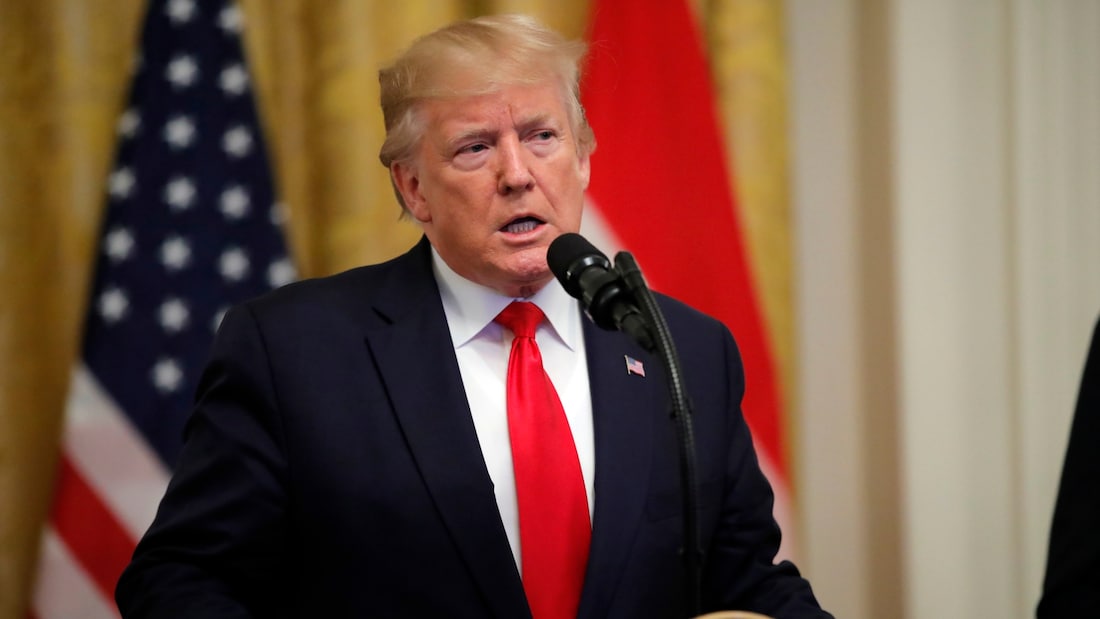
The Hill reported that Donald Trump raised the idea of a U.S. Navy blockade at the Strait of Hormuz. The strait is a major global energy chokepoint, and any attempt to restrict traffic there would carry military, legal, and market consequences.
The spark is political, but the arena is global. The Hill report put Trump and the U.S. Navy in the same sentence with a word rarely used in maritime law or Pentagon planning: blockade.
Why Hormuz Is Not Just Another Talking Point
On maps, Hormuz appears as a narrow strip between Iran and Oman. In practice, it is a bottleneck for tankers, insurance underwriters, and every government that depends on predictable energy shipping.
According to the U.S. Energy Information Administration, the Strait of Hormuz is the most important oil transit chokepoint in the world by volume. That reality turns even hypothetical pressure tactics into something markets and capitals treat as actionable risk.
Blockade Is a Legal Term, Not a Vibe
A blockade is not the same thing as stepped-up patrols, sanctions enforcement, or escort missions. In international practice, it signals an intent to stop vessels and restrict commerce, which is why it is historically tied to armed conflict and escalation ladders.
The other problem is friction with partners. The shipping lanes through Hormuz serve not just U.S.-bound cargo but allies and rivals alike, which means any American move that slows traffic can quickly become a coalition argument over who pays, who escorts, and who gets blamed if something goes wrong.
The Power Play Underneath, War Powers, Oil, and Optics
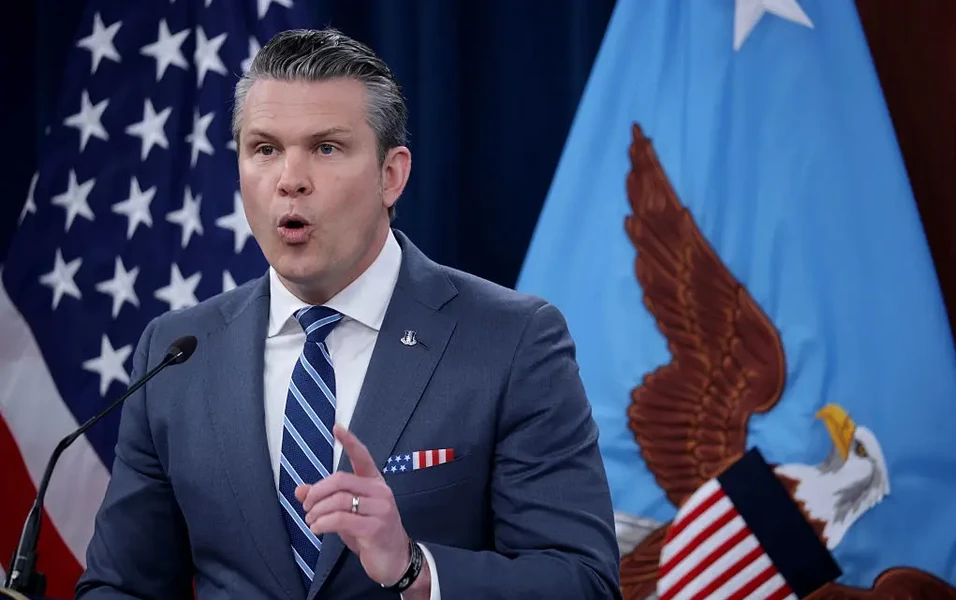
There is also the home-front fight: war powers. A high-profile push for a muscular naval move spotlights the gap between campaign-era bravado and the messy governance questions that follow, including what Congress authorizes, what the Pentagon will execute, and what happens if Iran answers with its own pressure.
The Council on Foreign Relations has described Hormuz as a recurring flashpoint in U.S.-Iran tensions, with years of incidents that pull in tankers, drones, regional proxies, and competing red lines. That history is why critics tend to hear the word blockade and immediately start asking about off-ramps, not just pressure.
What to watch next is not only whether the rhetoric keeps escalating, but also whether it starts to produce concrete asks, such as specific rules of engagement, allied commitments, or timelines. In a chokepoint like Hormuz, ambiguity is not neutral; it is a message that everyone else will interpret fast.