

What You Should Know
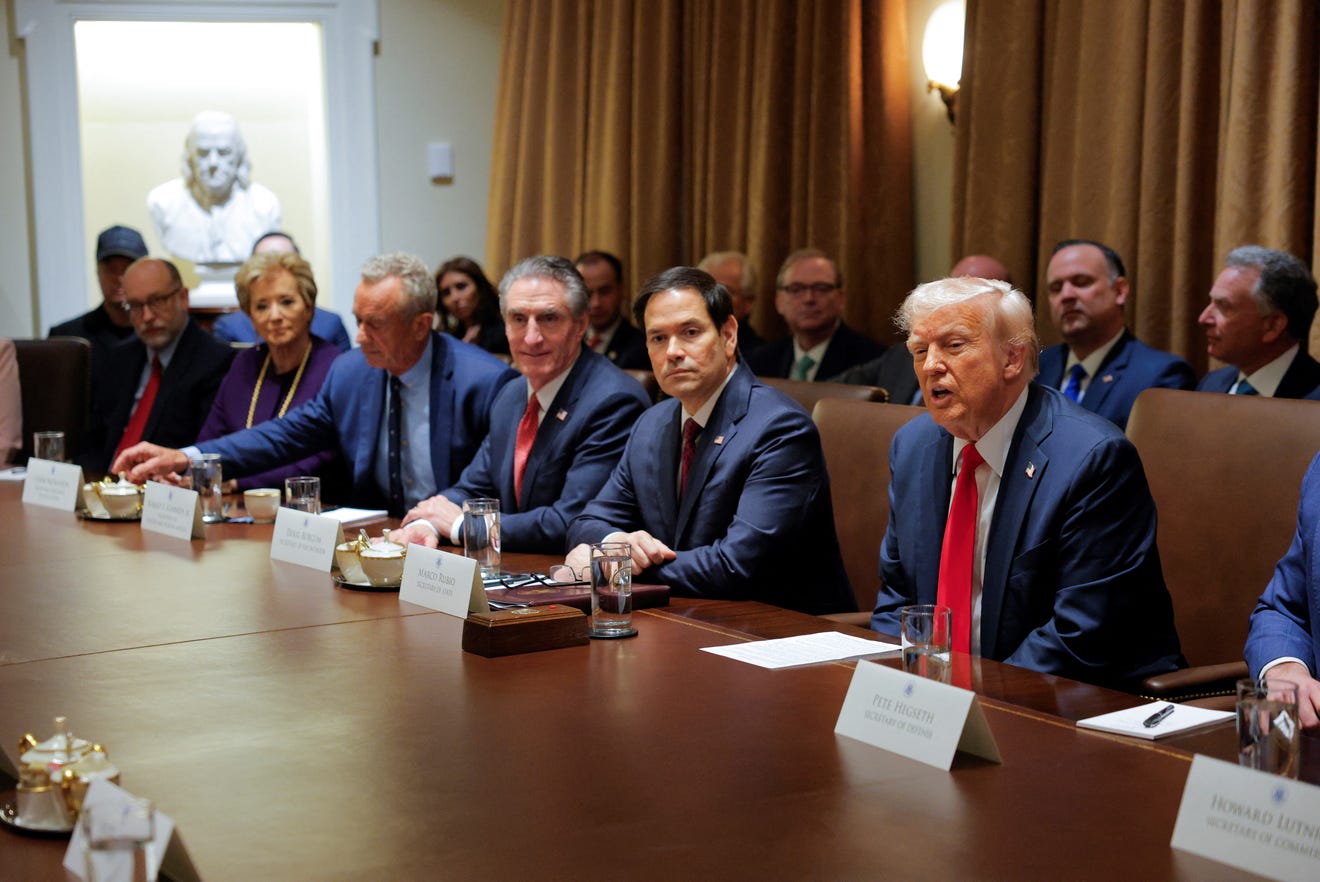
During Donald Trump’s first term, multiple top cabinet officials departed after public clashes or strategic disagreements, even as Trump repeatedly promised he would hire “the best people.” Outside tracking, including Brookings, documented unusually high turnover across senior roles.
The Hill recently revisited the revolving-door dynamic around Trump’s cabinet and senior aides, a familiar subplot in an administration that mixed corporate-style firing language with national-security stakes.
The Pattern Behind the Exits
Trump’s personnel moves often came wrapped in confidence. Departures, when they occurred, were typically framed as voluntary, amicable, or part of a plan, even when reporting described internal friction over policy, process, or chain of command.
Brookings’ long-running turnover tracker captured the accumulation effect: acting leaders, reshuffled portfolios, and sudden gaps that forced agencies to run on temporary authority. The churn was not just gossip fuel. It shaped who had access, who got overruled, and who stayed quiet to keep a seat at the table.
One resignation note still hangs over the story because it put the power dynamic in writing. In his December 20th, 2018, resignation letter, then-Defense Secretary Jim Mattis told Trump, “Because you have the right to have a Secretary of Defense whose views are better aligned with yours on these and other subjects, I believe it is right that I step down from my position.”
Why the Churn Mattered
That line read like polite protocol. It also read like an admission that alignment, not just competence, was becoming the key credential. For an administration that campaigned on disruption, the disruption started to look like a management system.
The consequences were concrete. Cabinet secretaries oversee vast budgets, rulemaking, and crisis response. When leaders leave abruptly or are replaced by acting officials, Congress, foreign counterparts, and even agency staff have to guess where the real authority sits and how long it will last.
Trump’s public branding made the contradiction harder to miss. He sold decisiveness and elite talent. The exit rate, tracked outside government, suggested something else: a workplace where loyalty tests and policy disputes repeatedly collided, and where the quickest way to consolidate power was to narrow the circle.
The next time Trump-world starts floating names, watch for two tells: whether nominees have independent power bases, and whether they are being hired to run departments or to run interference. In Trump’s staffing history, those are not the same job.