

What You Should Know
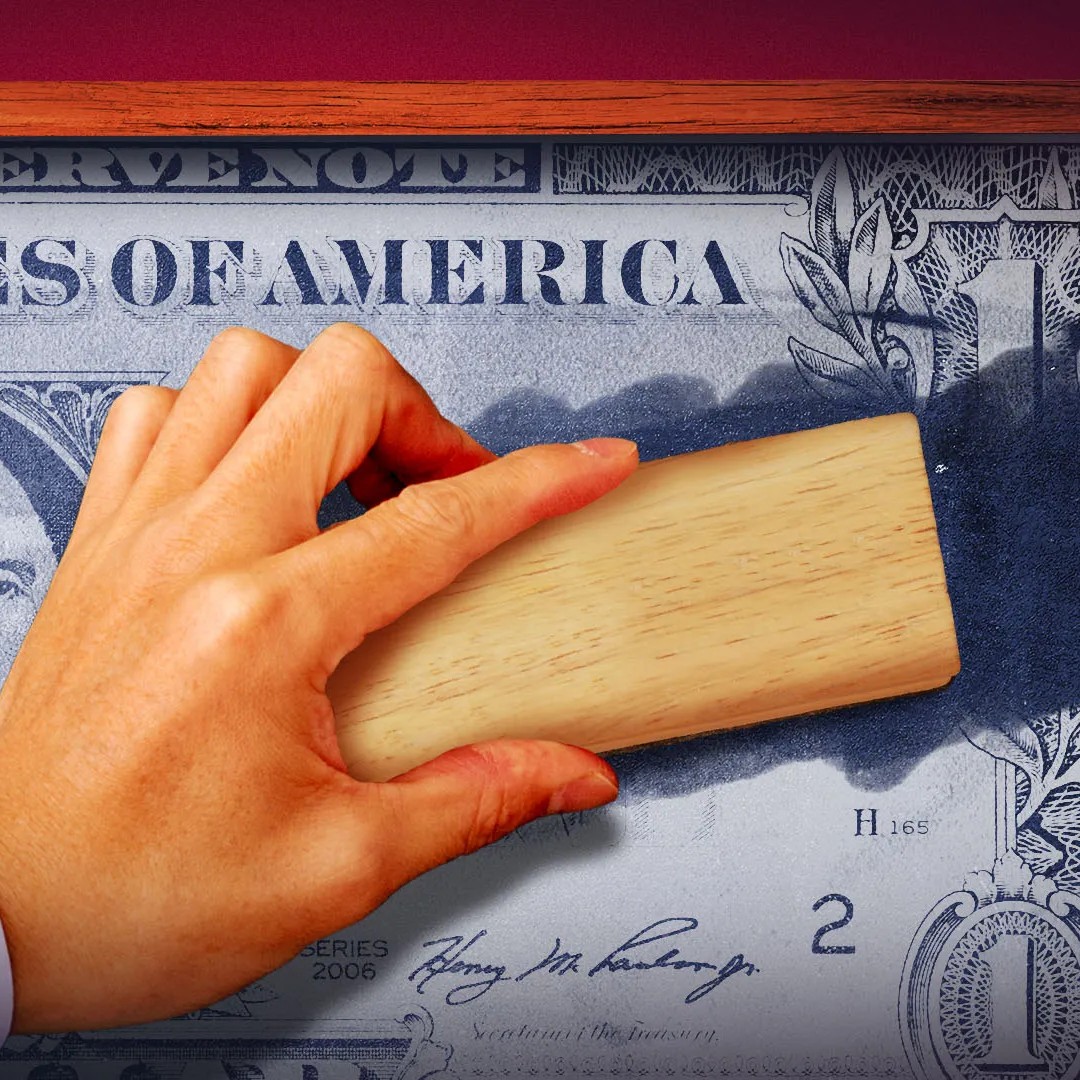
According to Axios, the Treasury Department plans to add President Trump’s signature to newly printed U.S. paper currency tied to the nation’s 250th anniversary in 2026. Federal Reserve data show that cash represents a shrinking share of payments relative to cards and digital options.
Axios reported on March 27th, 2026, that the Treasury will put Trump’s signature on all new U.S. paper currency, and that a federal panel recently approved a 24-karat gold commemorative coin featuring his image. Reuters and Axios noted that the first $100 bills with the signature were expected to be printed in June.
A Branding Play on a Shrinking Medium
Cash has an unusual kind of power in American politics because it is both practical and symbolic. It is the thing in a wallet, the thing held up in campaign ads, and the shorthand for control, independence, and grit.
However, the numbers keep moving in the other direction. The Federal Reserve has reported that cash is a minority payment method in day-to-day transactions, even if it still matters for tips, small purchases, and people who want a non-digital option.
The Penny Squeeze and the Change Problem
The signature plan also lands next to another detail Axios emphasized: the administration’s posture toward physical money has been selective. Axios reported Trump ordered the Treasury in February 2025 to stop making new pennies, calling it a way to “rip the waste out of the budget.”
That push creates a tidy contradiction for collectors and consumers. On one hand, a personalized signature and a commemorative coin elevate cash as national iconography. On the other hand, the smallest unit gets pushed toward extinction, and Axios reported that making exact change has been getting harder.
What Happens Next, and What to Watch
On U.S. paper currency, signatures are not decoration. The Bureau of Engraving and Printing describes signatures as part of the note design, and Americans have long been trained to treat changes in design as signals of authority and authenticity.
If the rollout starts with $100 bills and then spreads, as Axios reported, the political upside is obvious: a lasting mark on the country’s most recognizable document. The practical test is different, whether a signature on paper can compete with a payment world that increasingly lives on screens, not in pockets.