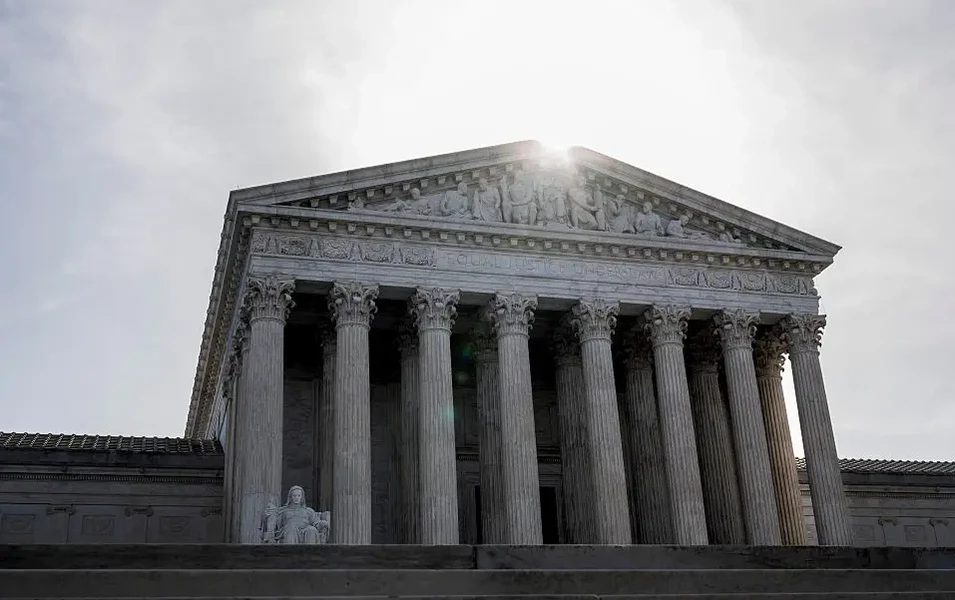


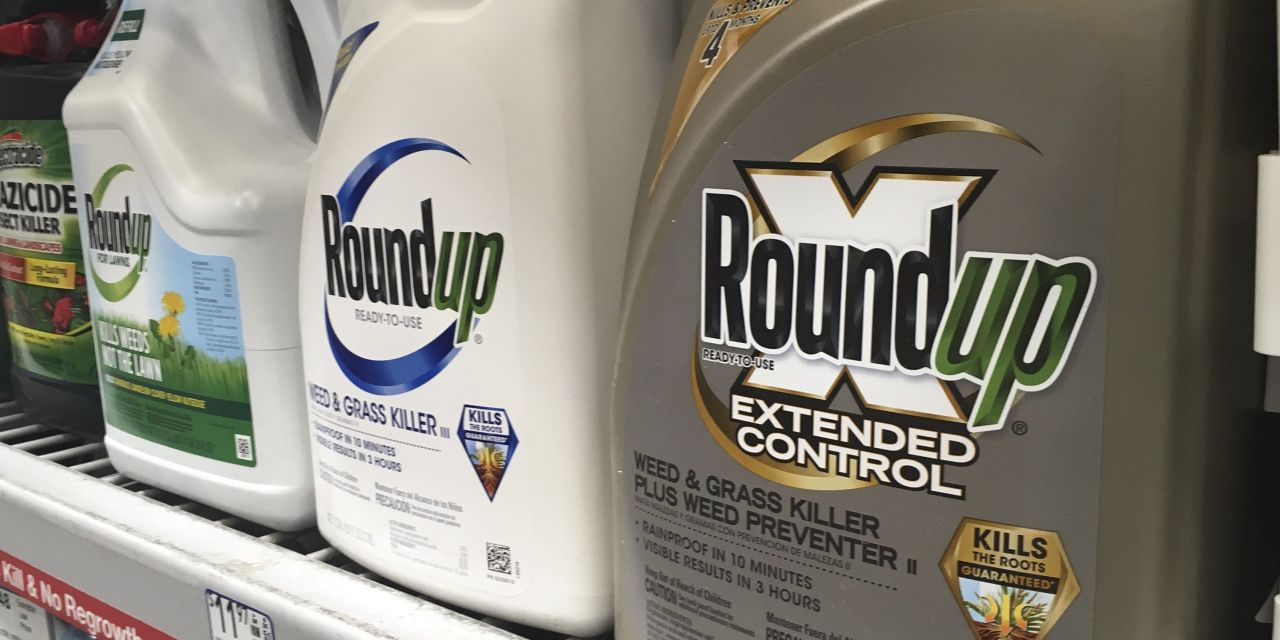
Bayer continues to call the Roundup litigation manageable. Then it keeps showing up again at the Supreme Court’s doorstep, asking for the kind of ruling that can shut down thousands of claims with a single legal sentence.
What You Should Know
Bayer, which acquired Monsanto in 2018, is urging the Supreme Court to take a Roundup case that tests whether federal pesticide labeling rules can preempt state failure-to-warn lawsuits. The underlying dispute centers on glyphosate and whether cancer warnings can be required under state law.
The Hill recently flagged the latest Supreme Court pressure point, highlighting how a technical fight over label language has become a high-stakes contest between corporate liability, jury verdicts, and federal regulatory authority.
Why Bayer Wants the Supreme Court to Step In
This is not just about one plaintiff or one verdict. It is about whether Bayer can convert a messy, state-by-state courtroom grind into a clean federal shield built from FIFRA, the Federal Insecticide, Fungicide, and Rodenticide Act.
Bayer’s core argument, as it has framed the issue in prior Roundup petitions, is that the EPA controls pesticide labeling, and that state-law demands for additional cancer warnings conflict with that federal scheme. If the Supreme Court buys that theory, it could change the leverage map overnight for plaintiffs, trial lawyers, and the company negotiating settlements.
That leverage is the quiet currency here. A single pro-Bayer ruling could chill new filings and strengthen Bayer’s hand in settlement talks. A refusal to intervene leaves the company fighting in front of juries, where emotional narratives about cancer and corporate knowledge can overpower scientific nuance.
The Science Fight Behind the Labels
Underneath the legal chess match is a scientific split that never really closed. The EPA’s assessments have generally not matched the alarm voiced by the World Health Organization’s cancer research arm.
On its glyphosate page, the U.S. EPA states the agency has concluded glyphosate is “not likely to be carcinogenic to humans” when used according to label directions. That sentence matters because it signals how the federal regulator views the underlying hazard, and it shapes what the EPA is willing to put, or not put, on a label.
But the International Agency for Research on Cancer (IARC) put glyphosate in a different bucket in 2015, classifying it as “probably carcinogenic to humans (Group 2A).” Plaintiffs have relied on that classification to argue that consumers deserved a clearer warning, while defendants have argued that IARC’s hazard-focused process should not drive U.S. labeling policy.
What Happens Next, and Who Has Leverage
For the justices, the choice is partly about timing and appetite. Taking a Roundup case would pull the Court into a long-running national fight over how much power federal regulators have to crowd out state tort law and how much room juries have to punish companies for warnings the EPA did not require.
For Bayer, the upside is obvious, and so is the risk. If the Court declines, plaintiffs can keep trying cases in state and federal courts, and every new verdict becomes another data point in the settlement calculus. If the Court takes the case, the next question is whether the justices see Roundup as a pesticide-label dispute or as a referendum on how far preemption should go when science itself is contested.