

When politicians talk about gas prices, they are really talking about power. Who gets blamed, who gets credit, and who gets to claim control over a number that moves for reasons that rarely fit on a bumper sticker.
What You Should Know
U.S. gasoline prices generally follow crude oil prices, plus refining costs, taxes, and seasonal demand. Iran-related tensions and sanctions can affect oil supply expectations and risk premiums, while domestic production policy usually works on a longer timeline.
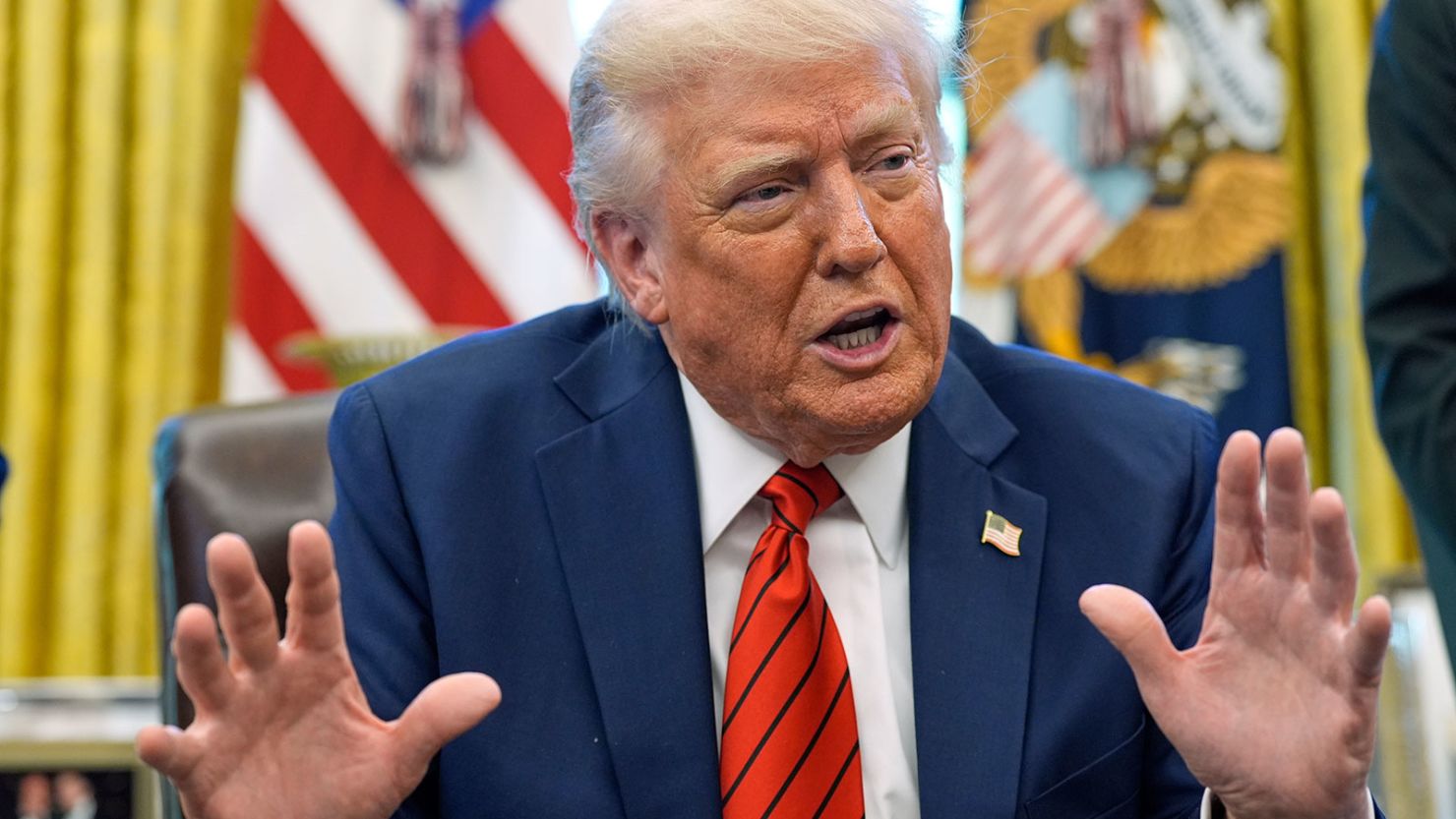
Donald Trump has been leaning on gasoline prices as a pocketbook measuring stick, and he has also been tying the story to Iran, supply pressure, and the kind of energy-first posture associated with executives such as Chris Wright.
Start with the scoreboard voters actually see. AAA posts a daily national average, but the fine print is that national averages hide state taxes, refinery outages, and the regional bottlenecks that can make one metro look like a different country at the pump.
The Gas Price Promise vs the Pump
Presidents do not set gas prices, but they do shape the inputs. Permitting timelines, pipeline politics, sanctions enforcement, and strategic stockpile decisions can all nudge expectations, and expectations are often what oil traders price first.
The U.S. Energy Information Administration tracks the weekly reality check in a chart literally labeled “U.S. regular retail gasoline prices.” The line can fall for months, then jump quickly on a disruption that has nothing to do with a domestic campaign pledge.
Iran, Sanctions, and the Supply Squeeze
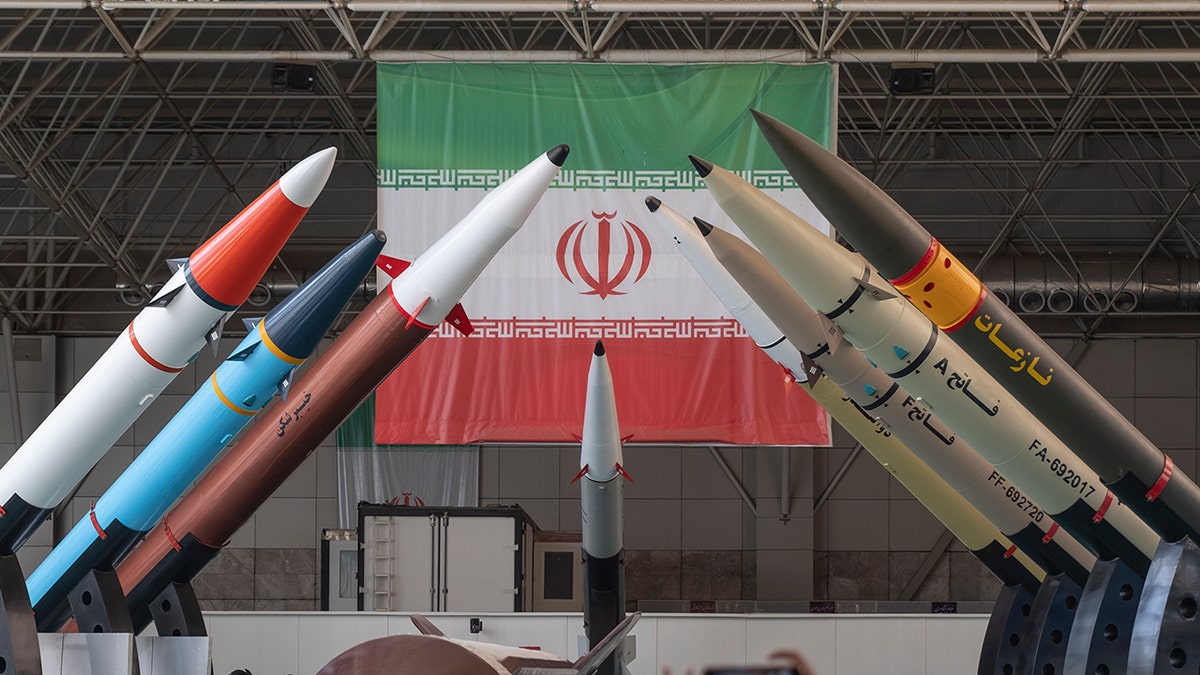
Iran is the kind of variable that turns a policy sound bite into a volatility event. Tighter sanctions, a tougher enforcement posture, or escalations around shipping routes can change perceived supply, even before any physical barrels disappear from the market.
That is why Iran shows up in crude pricing even when U.S. drivers are focused on a neighborhood station sign. If traders bake in a higher risk premium, gasoline can follow, and the move can be faster than any drill plan that depends on rigs, crews, and capital budgets.
The Chris Wright Factor and the Fine Print
Names like Wright matter because they signal where an administration might look for leverage: production, regulation, and the cultural fight over energy policy. However, the price on a receipt still reflects global crude and refining capacity, so the real test is which levers the White House can pull quickly and which ones only show up after the next election.