Mail voting became a political weapon so fast that it started to look like a loyalty test. The strange part is that the people yelling the loudest often still benefit from the system they are warning about.
What You Should Know
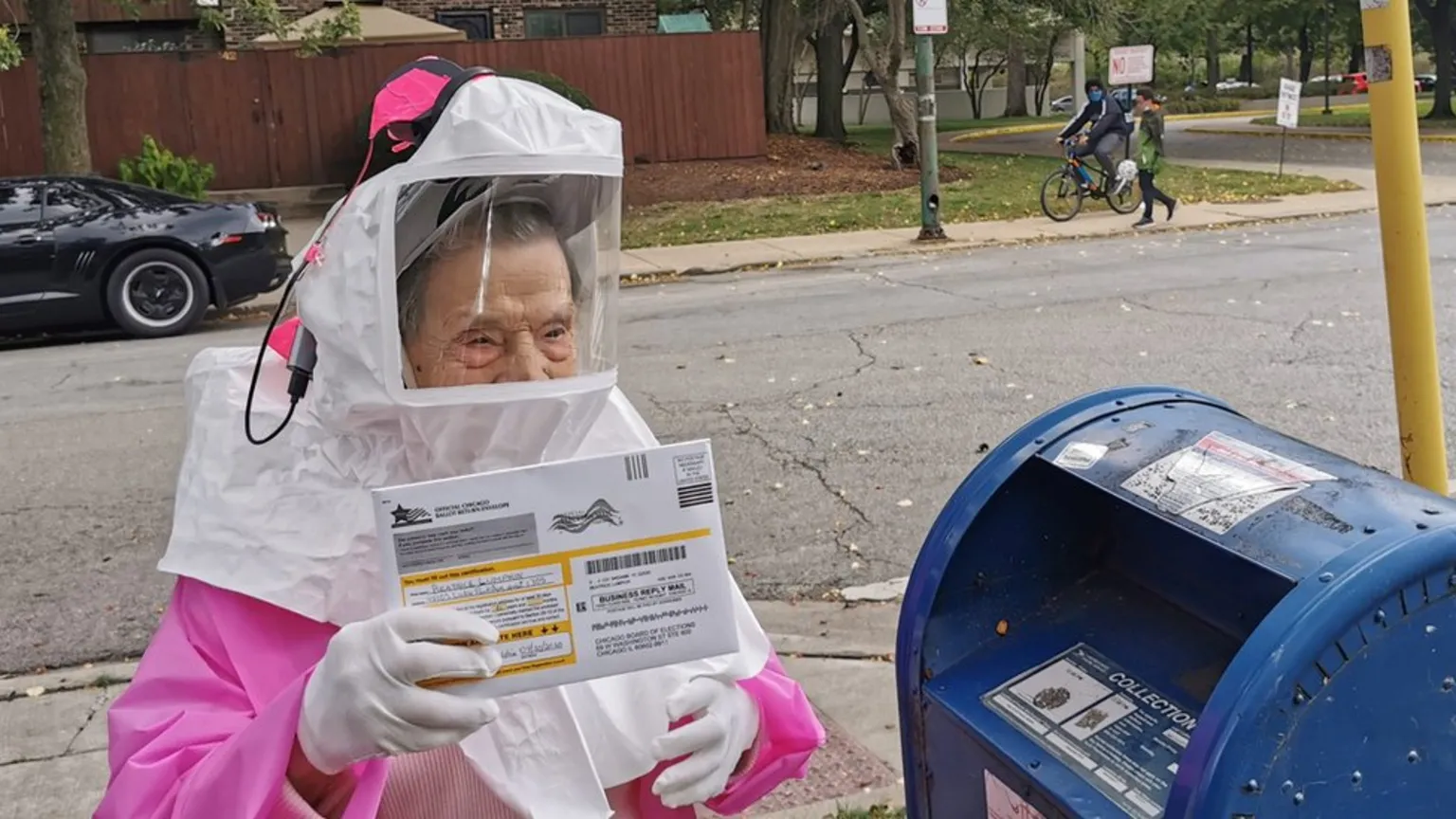
In 2020, Stacey Abrams pushed for expanded access to absentee and mail voting, while President Donald Trump repeatedly claimed mail ballots could invite fraud. Election administrators noted that rules and safeguards differ by state, and absentee voting has long been used across party lines.
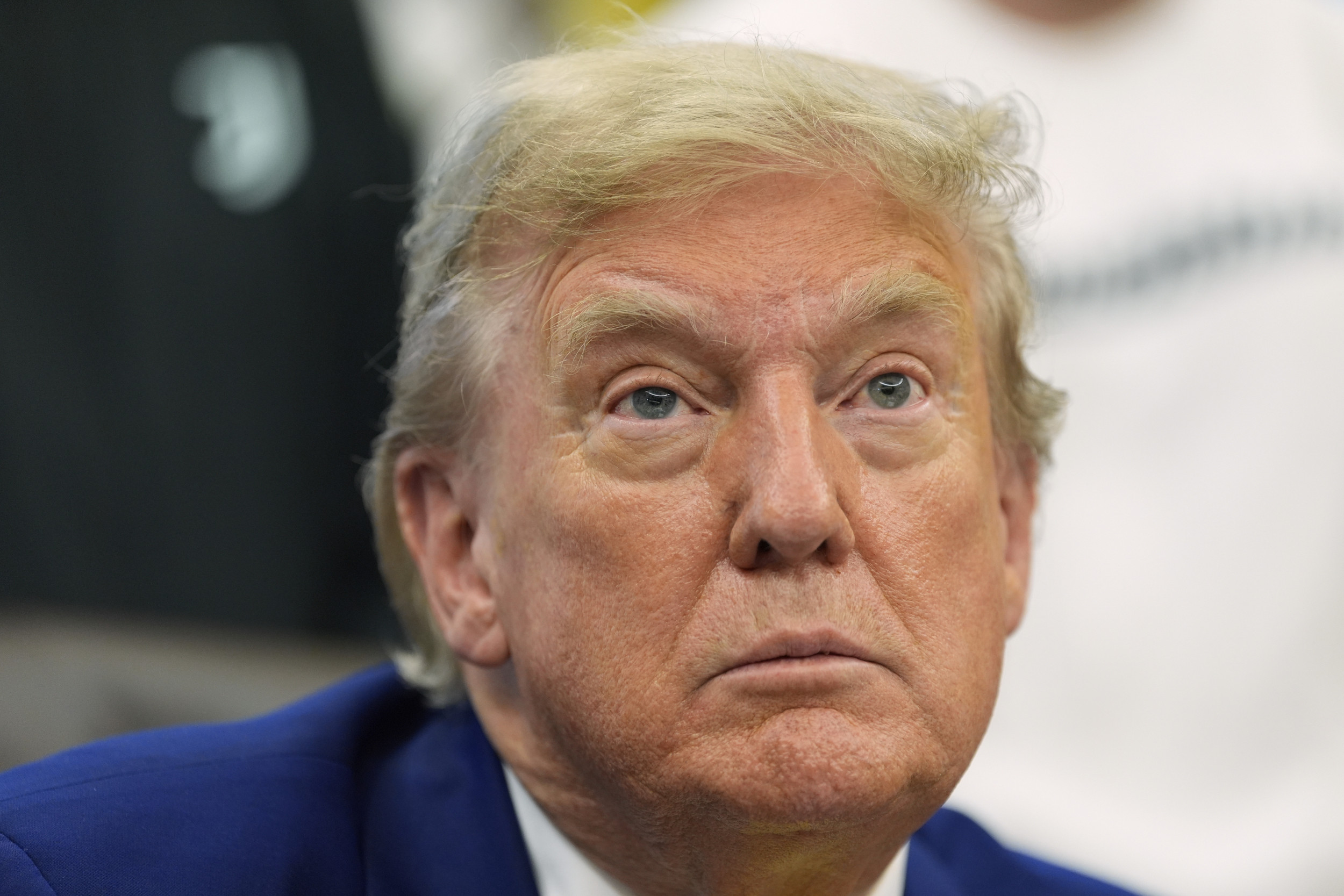
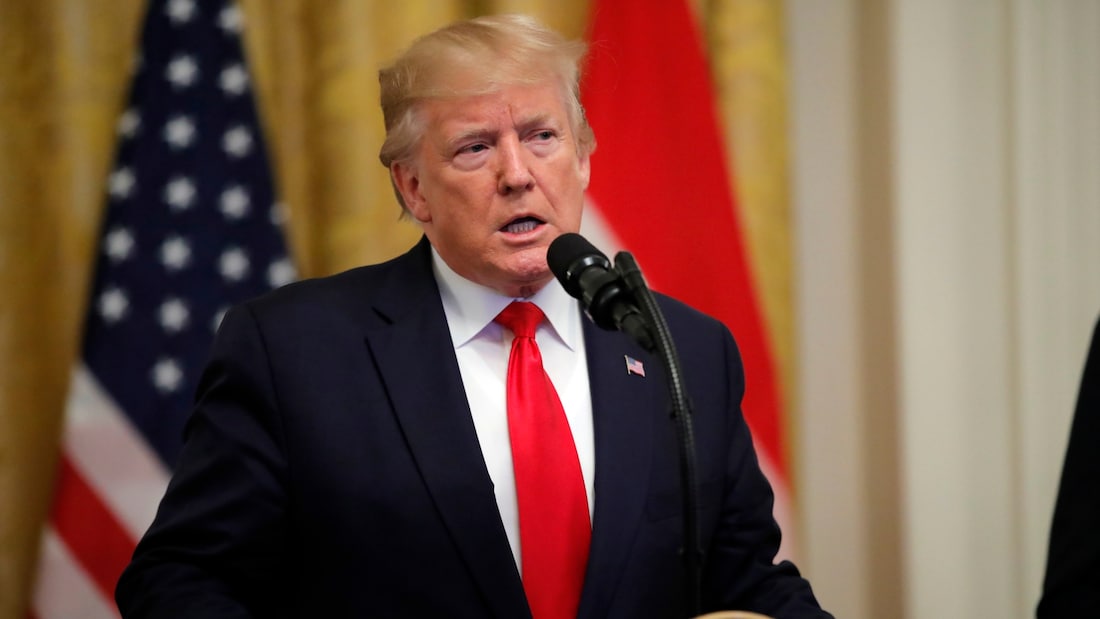
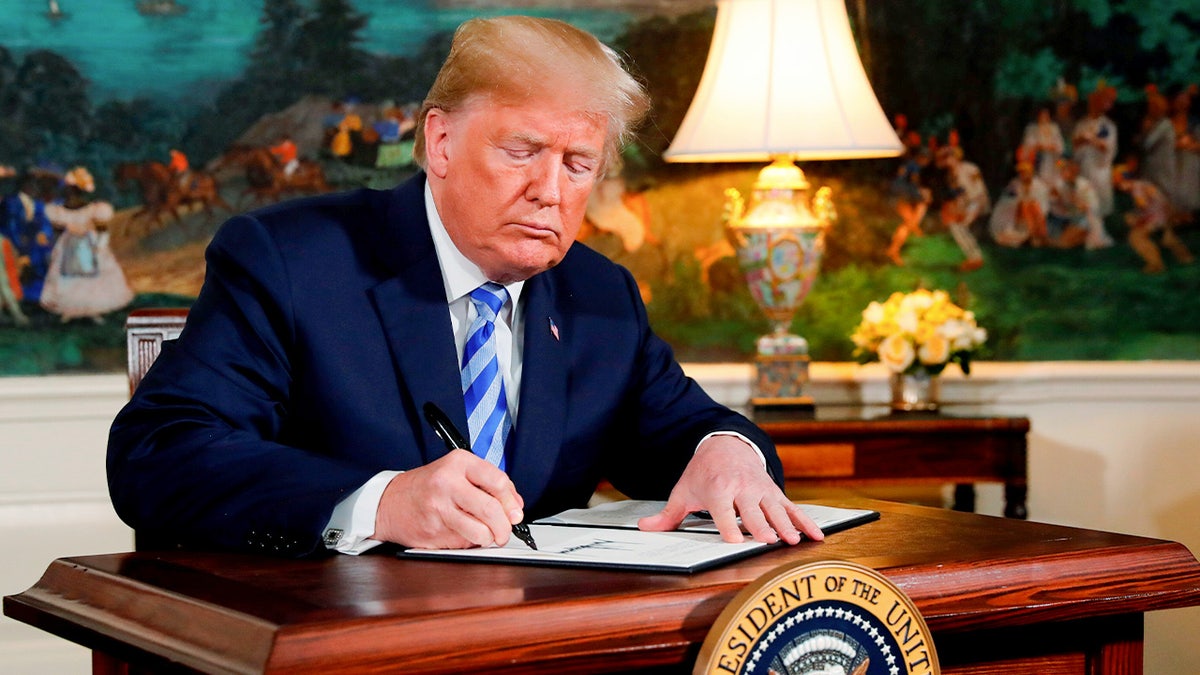
Abrams, a voting rights activist and Democratic power broker in Georgia, framed mail voting as a pressure valve for crowded polling places and a way to widen participation. Trump, then in the White House, framed it as a risk to election integrity, and he did it loudly enough to move the whole news cycle.
The Split Screen: Access vs. Suspicion
On May 26th, 2020, Trump put the argument in all caps, writing, “There is NO WAY (ZERO!) that Mail-In Ballots will be anything less than substantially fraudulent.” The line, amplified across cable news, became a shorthand for the Republican message heading into November.
Abrams argued the opposite lever mattered more: access. Her camp and allied groups pushed state officials and courts to expand absentee options, shorten lines, and reduce in-person bottlenecks that hit urban and majority-Black precincts hardest.
That clash was never just philosophical. It was about who gets to set the rules, who pays the administrative costs, and whose voters are more likely to use the option that gets expanded or restricted.
The Fine Print That Gets Lost
One reason the debate stays hot is that “mail voting” is not one thing. States write their own rules on who can request a ballot, what identification is required, how signatures are checked, and when ballots must arrive to count.
According to the National Conference of State Legislatures, states vary widely on no-excuse absentee voting and on whether they automatically send ballots, applications, or nothing at all. That variability makes sweeping claims, on either side, easy to sell and hard to pin down.
Meanwhile, election administrators have spent years telling voters and campaigns to focus on process: verify your registration, follow the instructions, and track deadlines. The U.S. Election Assistance Commission outlines basic absentee voting mechanics that sound boring until they become the difference between a counted ballot and a rejected one.
Why Both Parties Still Quietly Rely on it
Here is the power contradiction that never goes away: Republicans have depended on absentee voting for military voters, older voters, and snowbirds for decades, and Democrats leaned into it as turnout infrastructure in 2020. Publicly, the incentives are to hype risks or hype access. Privately, the incentive is to bank votes before Election Day.
The next fight is rarely about whether mail voting exists. It is about margins: tighter ID rules, stricter receipt deadlines, ballot drop box limits, and signature verification standards that can decide close races without changing a single campaign ad.