

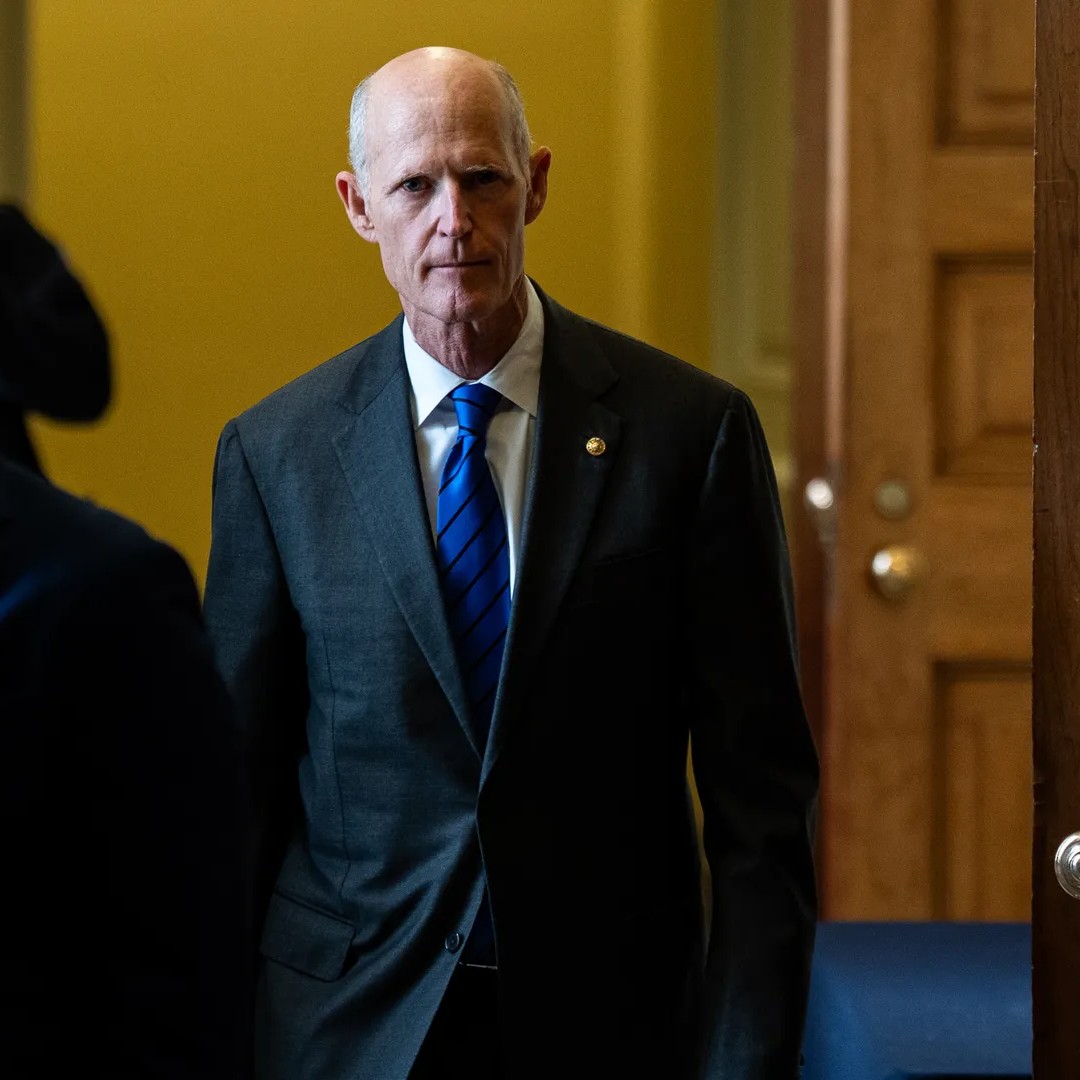
Sen. Rick Scott is asking a federal court to put a price tag on something Washington treats like currency: secrecy. His new lawsuit targets Booz Allen Hamilton, the contractor he says helped make a tax-return leak possible, even as the political system has already been handing out punishments in other directions.
What You Should Know
Scott, a Florida Republican, sued Booz Allen Hamilton in federal court after his tax-return information was leaked along with other wealthy Americans’ records. The complaint seeks compensation, including punitive damages, and ties the disclosure to alleged security and supervision breakdowns inside a contractor framework.
The leak itself is not new, but Scott’s target list is. Instead of focusing only on the individual who admitted to taking and disclosing taxpayer information, he is going after a major federal contractor that operates deep inside the government, where access is power, and mistakes can become national stories.
According to Axios, Scott’s complaint was filed in the U.S. District Court for the Middle District of Florida and stems from the unauthorized disclosure of his tax return information. The same Axios report says the leak included tax information tied to other high-profile figures, including President Donald Trump and Elon Musk.
Scott’s lawsuit frames the episode as a management problem, not a one-off caper. The complaint accuses Booz Allen of a “systemic failure to safeguard confidential taxpayer information,” arguing the exposure was enabled by broader breakdowns in safeguards and supervision, not just a single actor.
That framing matters because it shifts the consequences from one defendant to an institution with money, contracts, and a reputation to protect. Axios reports Scott is seeking multiple forms of compensation, including punitive damages, which are designed to punish willful or reckless conduct rather than simply reimburse losses.
The Leak Has a Defendant, but the Lawsuit Aims Higher
The criminal side of the story has already produced a name: Charles Littlejohn, a former IRS contractor. The U.S. Department of Justice has described Littlejohn’s conduct as an illegal disclosure of tax return information, part of a case that turned private filings into public ammunition.
Scott has been publicly tied to the prosecution’s aftermath, too. Axios notes he delivered a victim impact statement at Littlejohn’s 2024 sentencing hearing and called the plea deal “cynical,” a hint that, in his view, the system handled the leaker but not the ecosystem that let the leak happen.
Why Booz Allen Is in the Crosshairs Now
There is also a separate pressure point: government business. Axios reports that the Trump administration canceled all of Booz Allen’s contracts with the Treasury Department in January, a move that raises questions about accountability versus political payback and who gets blamed when an information pipeline springs a leak.
Next up is a slower fight, the kind waged through motions, discovery, and settlement math. If Scott can force emails, policies, and internal controls into the open, Booz Allen’s biggest risk may be less the damages figure than what the record shows about how access was granted, monitored, and defended.