

Donald Trump keeps coming back to one of the most combustible levers in U.S. immigration politics: birthright citizenship. The question is not only whether he can change it. It is who gets to say no, and how messy that showdown would get.
What You Should Know
Trump has again attacked birthright citizenship and signaled he wants it restricted or ended. The 14th Amendment and long-standing court precedent have been widely cited by legal experts as major barriers to any unilateral move by a president.
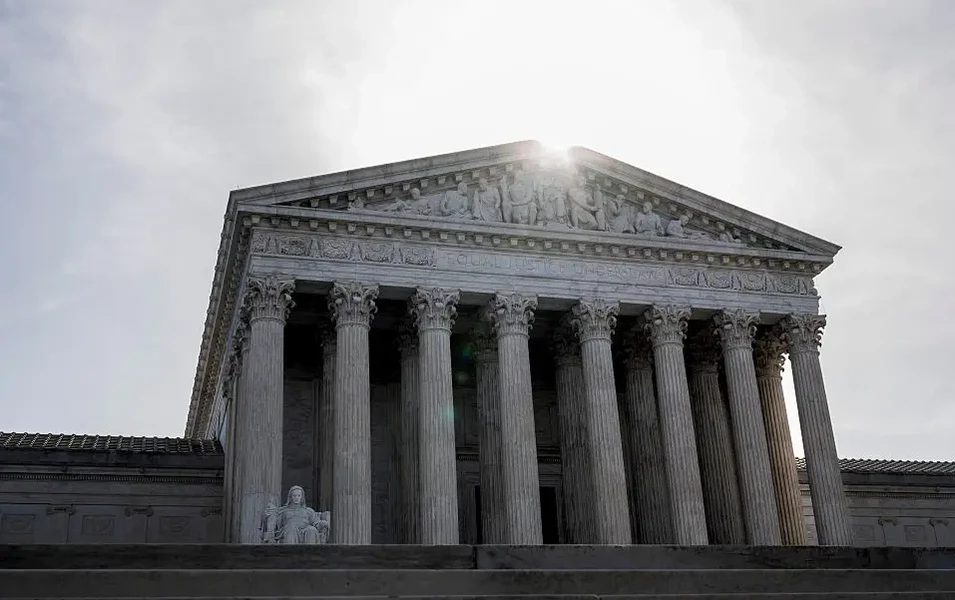
The Hill reported Trump renewed his criticism with the Supreme Court looming over the debate, because any serious attempt to curb birthright citizenship would almost certainly trigger rapid litigation and a race to the justices.
Trump’s Fight Is as Much About Power as Policy
Trump’s pitch is simple: treat birthright citizenship as a policy switch, not a constitutional guarantee. Politically, it lets him talk border enforcement, executive toughness, and national identity in one sentence.
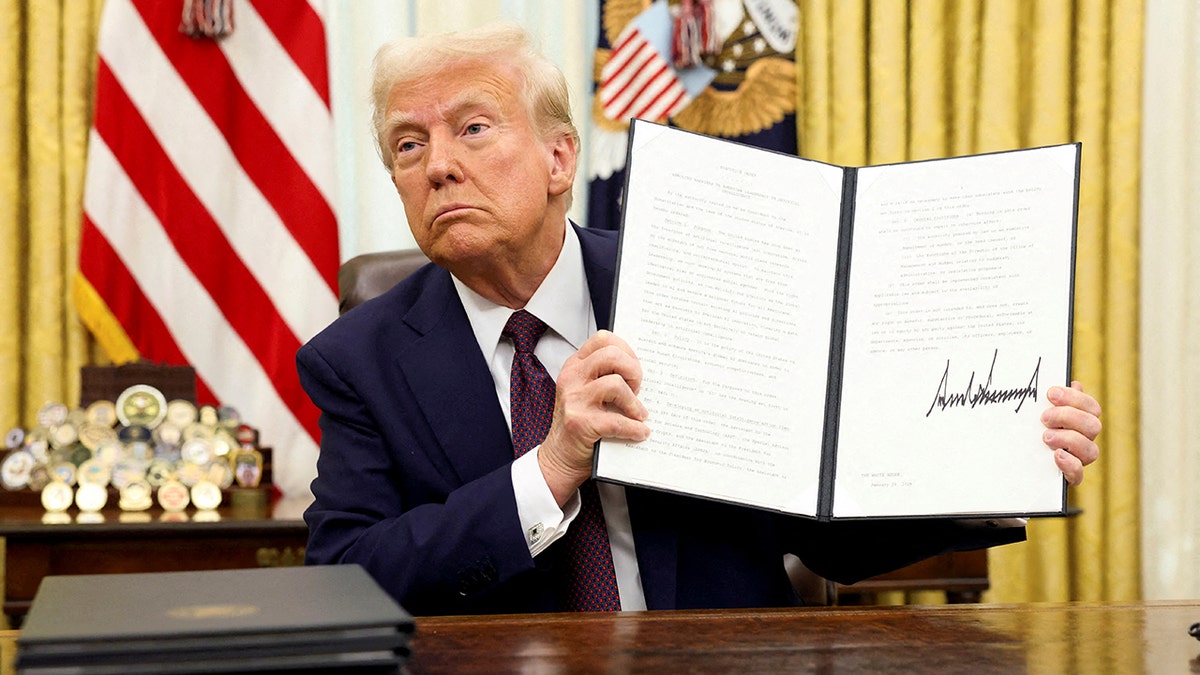
He has also tried to make the argument sound like a Day 1 action item, saying in various campaign settings that he would move quickly to end it. The promise lands because it implies a president can muscle past Congress and the courts, at least long enough to change lives in the real world.
“All persons born or naturalized in the United States, and subject to the jurisdiction thereof, are citizens of the United States and of the State wherein they reside.”
That is the core text of the 14th Amendment, and it is the piece Trump is implicitly daring opponents to enforce. The power dynamic is the point: if a White House can reinterpret citizenship by directive, the courts become the last stop, not the first.
The Legal Wall He Keeps Running Into
Birthright citizenship has been tied for more than a century to the Supreme Court’s 1898 decision in United States v. Wong Kim Ark, a case commonly cited for the principle that most children born in the U.S. are citizens, even when their parents are not.
That is why Trump’s rhetoric so often collides with a paper trail that does not move with campaign slogans. Even sympathetic legal thinkers tend to concede that a clean break would likely require either a constitutional amendment or a Supreme Court willing to narrow past interpretations.
If a President Tries Anyway, Here Is the Mess
A unilateral attempt, whether by executive order or agency guidance, would set off immediate lawsuits from states, advocacy groups, and affected families. It would also put federal agencies, employers, schools, and hospitals in the position of deciding whose documents count while courts fight it out.
For Trump, the upside is leverage. Even if the policy loses, the battle itself pressures rivals to take positions, forces legal institutions to absorb political heat, and keeps immigration as the central test of control.
What to watch is not only what Trump says next, but whether any concrete plan details how the government would define and prove citizenship at birth. That operational question is where campaign talk meets courtroom reality.