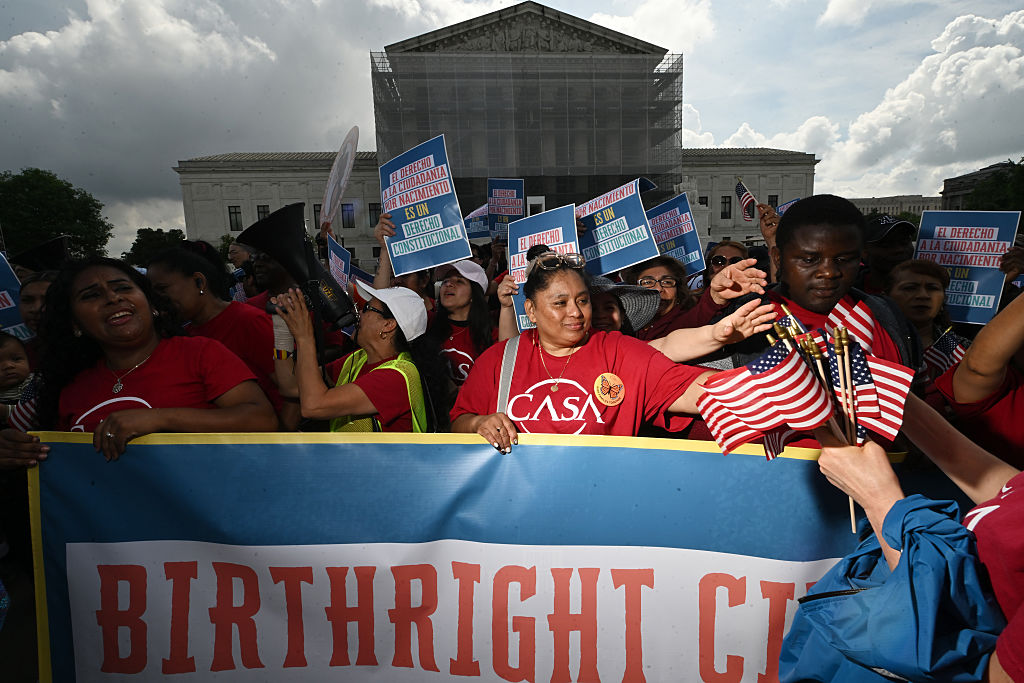
The next big immigration brawl is not at the border or in Congress. It is in the Supreme Court, where President Trump is asking the justices to redraw who counts as American from the moment a baby is born.
What You Should Know
The Supreme Court is set to hear arguments on President Trump’s executive order targeting birthright citizenship in Trump v. Barbara. Lower courts have blocked the policy, and a decision is expected by late June or early July.
According to CBS News, the executive order would deny U.S. citizenship to children born to certain mothers in the country unlawfully or temporarily, when the father is not a citizen or lawful permanent resident. The policy has not taken effect because it has been blocked while litigation plays out.
The Order, the Lawsuit, and the Shortcut to the Supreme Court
The case arrives with a procedural twist that matters: after an earlier Supreme Court ruling curbed nationwide injunctions, challengers regrouped with a class-action strategy meant to protect a defined group of children at once. A federal judge in New Hampshire, U.S. District Judge Joseph Laplante, provisionally certified a class and blocked enforcement against that class, CBS News reported.
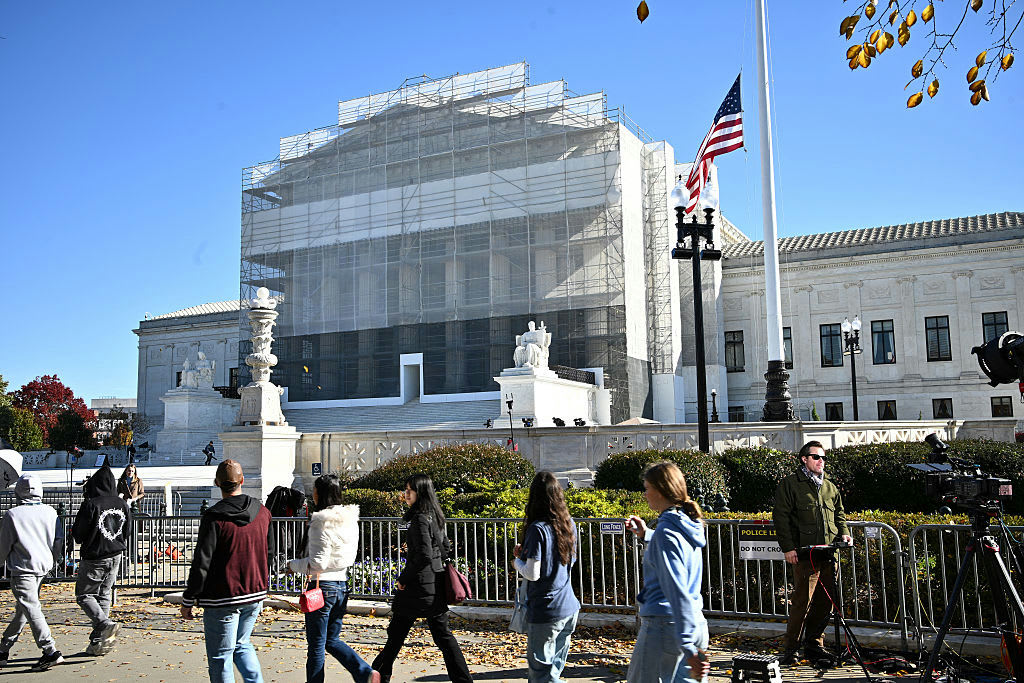
The administration appealed to the U.S. Court of Appeals for the 1st Circuit and also asked the Supreme Court to take the case directly. The justices agreed in December to hear the dispute and reach the merits of the birthright citizenship order, setting up a rare, high-stakes test of executive power over a constitutional clause.
Two Readings of the 14th Amendment Collide
On paper, the battlefield is a single phrase in the 14th Amendment: people born in the United States and “subject to the jurisdiction thereof” are citizens. The administration argues that children born to parents in the country unlawfully or temporarily are not fully under U.S. political jurisdiction, pointing to allegiance and ties, and also argues that Congress cannot expand citizenship beyond what the Constitution means.
The challengers, including the ACLU and other groups, argue the opposite: the 14th Amendment guarantees citizenship by birth with narrow exceptions, and federal law in the Immigration and Nationality Act reflects that understanding. They also point to United States v. Wong Kim Ark, the 1898 Supreme Court decision that affirmed birthright citizenship for a man born in San Francisco to Chinese citizen parents who lived in the U.S., with limited exceptions.
“Dumb Judges and Justices will not a great Country make!”
Trump posted that line on Truth Social while the administration is simultaneously asking the same court to validate a sweeping reinterpretation of citizenship. That tension, the executive denouncing the judiciary while seeking its blessing, is part of what makes the case a political spectacle as well as a legal one.
What Happens if the Justices Say Yes
A ruling against the administration would hand Trump another high-profile loss at the Supreme Court in his second term, after the court struck down many of his tariffs in a February 6-3 decision, CBS News reported. A ruling for the administration could reshape citizenship policy, pressure agencies that issue passports and other documents, and raise new fights about how far an executive order can run ahead of Congress.
The court is expected to decide by the end of June or early July. Whatever the outcome, the justices will be choosing between a modern executive-branch theory and an older, heavily cited understanding of birthright citizenship that has anchored American identity for generations.