The loudest claims about a “politicized” Justice Department are usually made on cable news or the campaign trail. The quieter fight happens in court, where judges keep dragging the argument back to paperwork, conflict rules, and who is allowed to touch a case.
What You Should Know
DOJ employees are governed by written conflict rules that bar participation in cases involving certain personal or political ties. In the Trump-era litigation, federal judges have repeatedly compelled prosecutors and defense lawyers to address questions of ethics and authority in public filings.
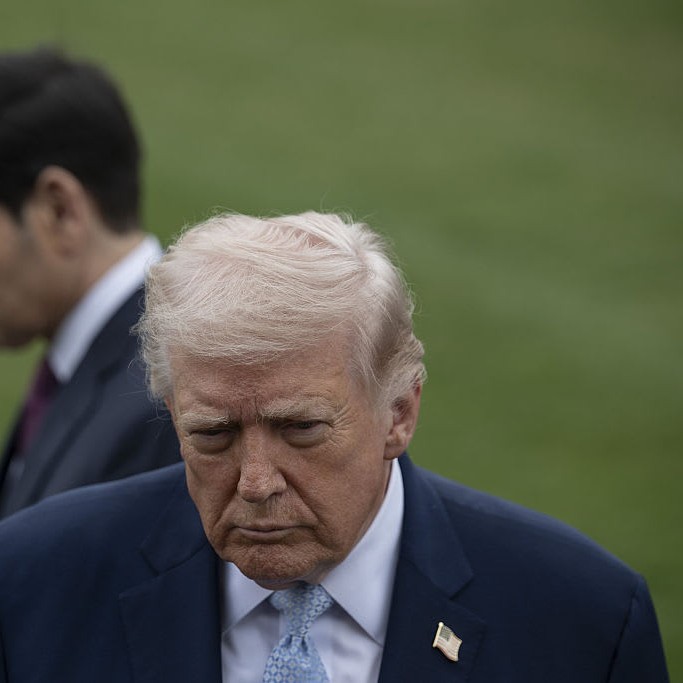
That matters because Donald Trump has made the DOJ a recurring political weapon, while prosecutors in multiple jurisdictions have argued that their decisions are based on the evidence and departmental rules. The tension point is not rhetoric. It is whether the courts accept the government’s assurances when the stakes are a presidency, prison exposure, or both.
The Ethics Rule Trump Keeps Running Into
One of the department’s clearest guardrails is 28 C.F.R. 45.2, a conflicts regulation that is blunt about political relationships. It states: “No employee shall participate in a criminal investigation or prosecution if he has a personal or political relationship with” a person or organization substantially involved in the conduct under investigation.
In practice, that single sentence fuels a recurring pressure campaign by defendants and allies who want prosecutors sidelined, investigations narrowed, or the authority of special counsel questioned. DOJ, across administrations, has argued that internal screening and supervision handle most conflicts, and that replacing prosecutors is not a legal reset button.
How Courts Turn Ethics Into Leverage
Federal judges do not just referee guilt or innocence. The police process, and process is where ethics questions get teeth. If a court orders declarations, disclosures, or hearings about who supervised whom, the case stops being an abstract debate about bias and starts becoming a record that can be appealed.
That dynamic has shown up repeatedly in Trump-connected litigation, where fights over authority, appointments, privilege, and conflicts can reshape timelines. Even when a defendant loses an ethics argument, the act of litigating it can slow a case, expose internal decision chains, and create talking points that survive long after the motion is denied.
There is also a contradiction that courts are uniquely positioned to highlight. Political figures often describe DOJ as a monolith that moves on command. Court filings, by contrast, are full of compartmentalized decision-making, written policies, and sworn statements that can be tested, under penalty of perjury, when someone overreaches.
What to Watch Next
The next fight is rarely whether an ethics rule exists. It is whether a judge believes the government’s conflict screens are adequate, whether a prosecutor’s chain of supervision is lawful, and whether a remedy should be disclosure, recusal, or dismissal.
Trump can keep campaigning against the DOJ. The courts, however, keep insisting on the same currency: the record.