

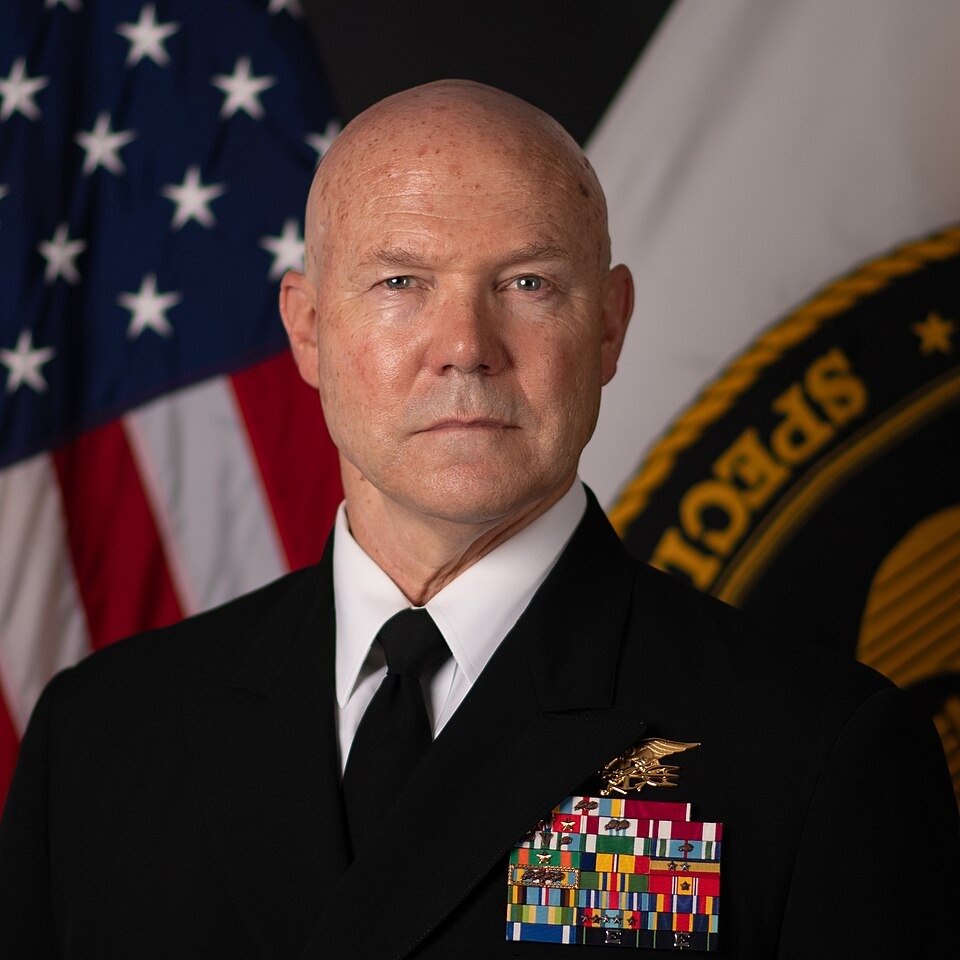
ADM Frank M. Bradley, Commander, USSOCOM, 2025.jpg). Photo courtesy of the U.S. Department of Defense. Public domain.
A deadly strike on a Venezuelan vessel in the Caribbean has sparked fierce debate after a Navy admiral reportedly revealed the boat was not actually heading to the United States. The Sept. 2 operation, which killed all 11 people aboard, including two survivors clinging to the wreckage, was initially justified by the Trump administration as a necessary action to stop drugs bound for American shores. But new testimony from Admiral Frank Bradley, who oversaw the strike, paints a different picture — one that raises serious questions about the strike’s legality and the narrative used to justify it.
A Stunning Reversal in the Story
In a classified congressional briefing, Admiral Bradley reportedly told lawmakers the targeted boat was en route to transfer its cargo to a larger vessel headed for Suriname, not the US. This directly contradicts claims made by Defense Secretary Pete Hegseth and President Donald Trump, who insisted the boat was carrying narcotics destined for America. Bradley’s disclosure was reported by CNN, citing sources with direct knowledge of the briefing.
Bradley reportedly acknowledged there was a possibility the drugs could have eventually made their way to the US from Suriname. He said this possibility justified the strike. However, US intelligence and drug enforcement officials have long maintained that Suriname primarily serves as a transit point for cocaine shipments headed to Europe, not America.
The Trump Administration’s Initial Claims
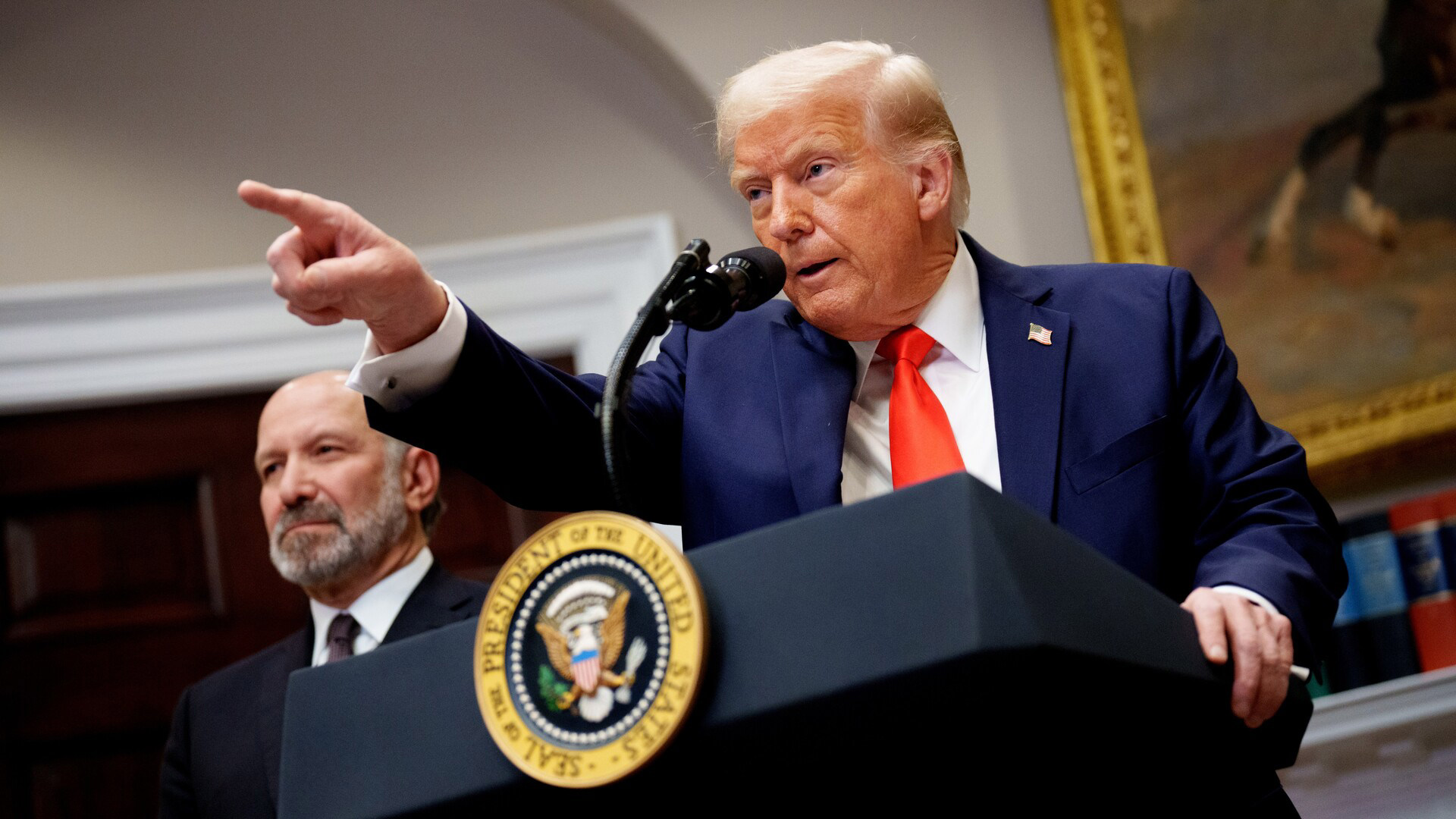
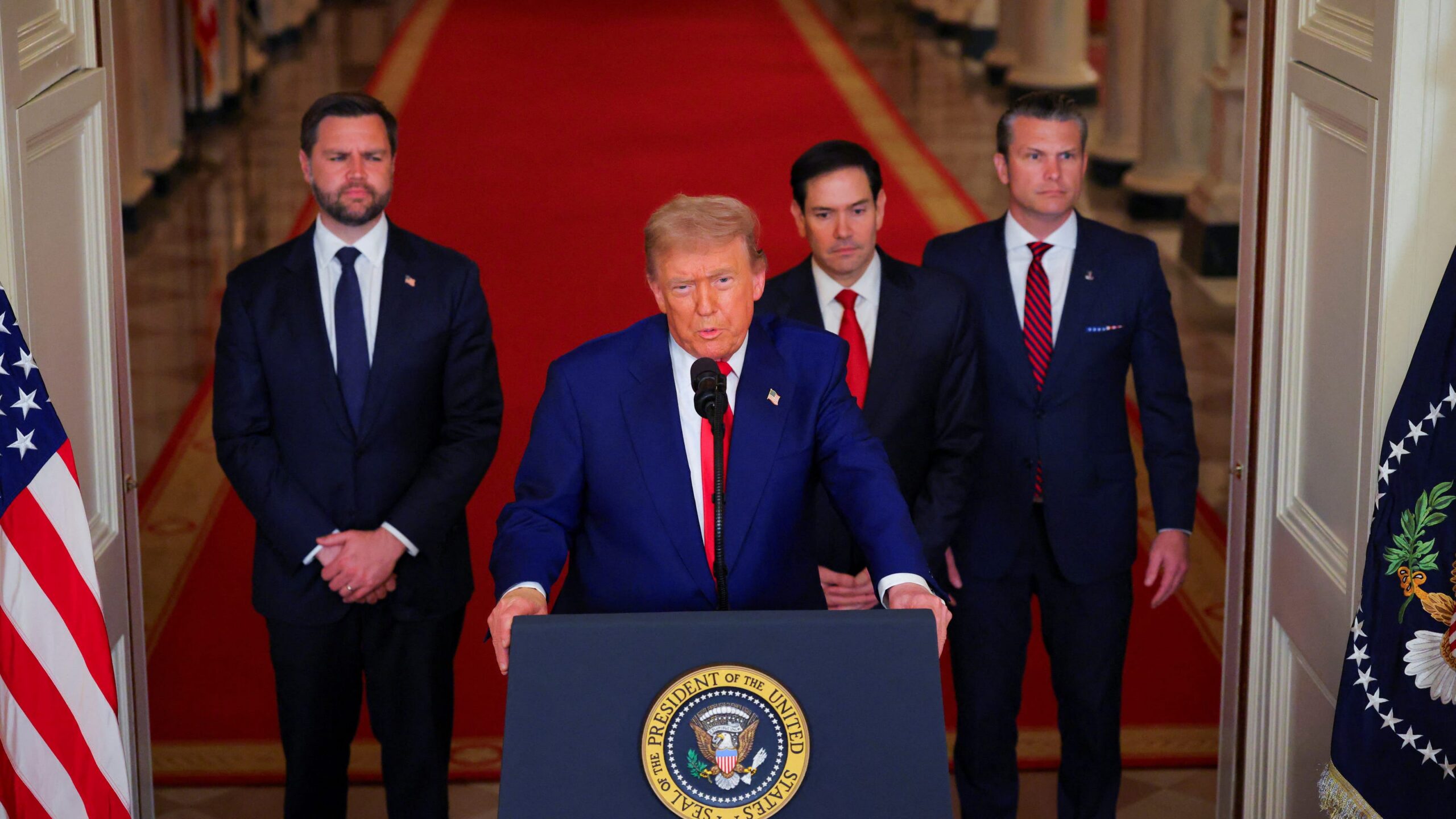
On the day of the strike, President Trump posted on “Truth Social” that the boat was “heading to the United States” while transporting illegal narcotics, as reported by Newsweek. Defense Secretary Hegseth echoed this narrative, telling “Fox & Friends” that the boat was manned by members of the Tren de Aragua cartel, a group he labeled “narco-terrorists” that have been “poisoning the American people,” as reported by TIME.
Hegseth has defended the strikes as legal and necessary, citing President Trump’s designation of several drug cartels as terrorist organizations. He claimed the US had “only just begun striking narco-boats” to protect Americans from deadly drugs, as reported by TIME.
The Double-Strike and Its Fallout
The strike reportedly unfolded in two phases, with the initial missile attack splitting the boat and leaving two survivors clinging to the wreckage. A follow-up drone strike then killed those survivors and sank the vessel. According to reports, Bradley ordered the second strike to fulfill the directive from Hegseth to leave no survivors.
This follow-up attack has drawn sharp criticism. Video footage showed the two survivors waving at something in the air, which some lawmakers interpreted as a possible surrender gesture. Democratic Representatives Jim Himes and Adam Smith condemned the killing of shipwrecked individuals who posed no immediate threat, calling it “wrong” and raising concerns about potential war crimes, as reported by The Daily Beast.
Legal experts have pointed out that killing shipwrecked persons who are out of combat violates international law and could constitute a war crime. The incident has triggered bipartisan investigations in Congress, with the Senate Armed Services Committee pledging “vigorous oversight” to determine what happened, as reported by TIME.
Divided Reactions Among Lawmakers
The briefing exposed a sharp divide between Democrats and Republicans. Senate Armed Services Committee Ranking Member Jack Reed expressed being “deeply disturbed” by the strike, as reported by TIME. Rep. Jim Himes described the scene as “one of the most troubling things” he has witnessed in public service, emphasizing that the survivors were “in clear distress” and “without any means of locomotion” when killed.
On the other hand, Republican Senator Tom Cotton defended the strikes as “righteous,” insisting the boat’s occupants were “narco-terrorists” trafficking drugs destined for the US, as reported by The Daily Beast. Cotton claimed he saw survivors trying to flip the boat back over to continue their mission.
Questions About the Threat and Justification
The revelation that the boat was not directly heading to the US undermines the administration’s justification for the strike as an imminent threat to American security. US intelligence reports have shown that drug trafficking routes through Suriname primarily serve European markets, and the US drug trade has shifted toward Pacific routes in recent years.
Critics have questioned how killing 11 people on a boat not en route to the US can be framed as protecting Americans from fentanyl or cocaine. Law professor Ryan Goodman highlighted the contradiction, noting the Department of Defense knew the drugs were headed to Suriname, “the OTHER DIRECTION,” as reported by Newsweek.
Calls for Transparency and Accountability
The strike has intensified demands for transparency. Lawmakers have called on the Defense Department to release full, unedited video footage of the missile attack to clarify the sequence of events and the orders given.
Meanwhile, Hegseth has denied ordering the killing of all aboard, calling reports “fake news” and “fabricated, inflammatory, and derogatory,” as reported by TIME. He said he was not present for the second strike and learned about it a “couple of hours later,” though he acknowledged Bradley had full authority to order it.
References: Pete Hegseth’s Claim Drug Boat Was Headed to U.S. Blows Up | Boat Hit in ‘Double-Tap’ Strike Was Not Heading to U.S., Admiral Reportedly Tells Lawmakers | Report Double-Strike Vessel Was Not Bound for U.S. Sparks Reactions Online | Exclusive: Boat at center of double-tap strike controversy was meeting vessel headed to Suriname, admiral told lawmakers