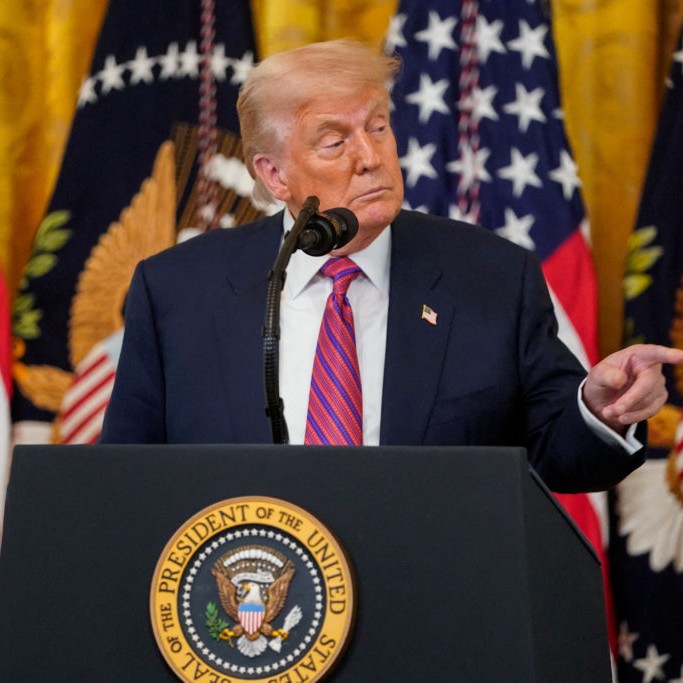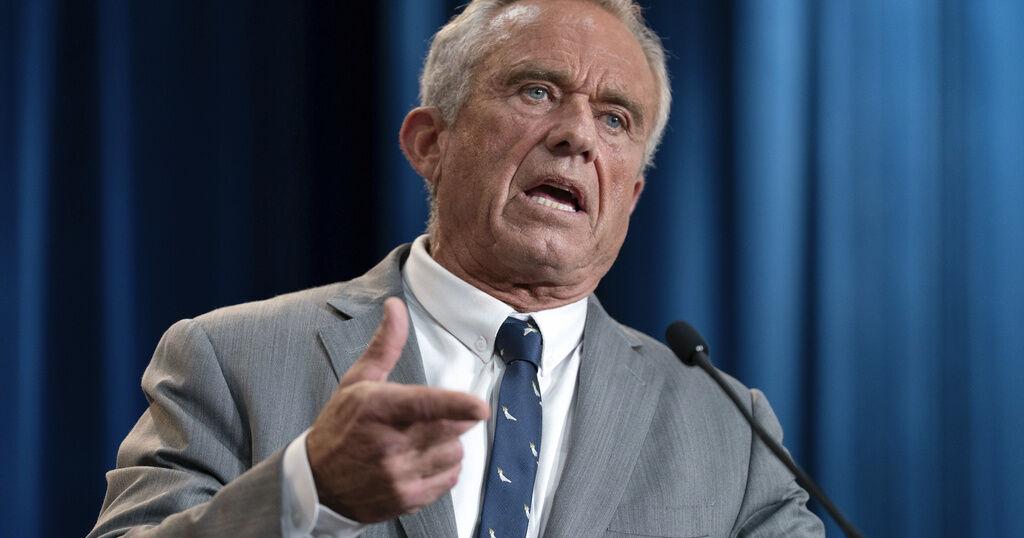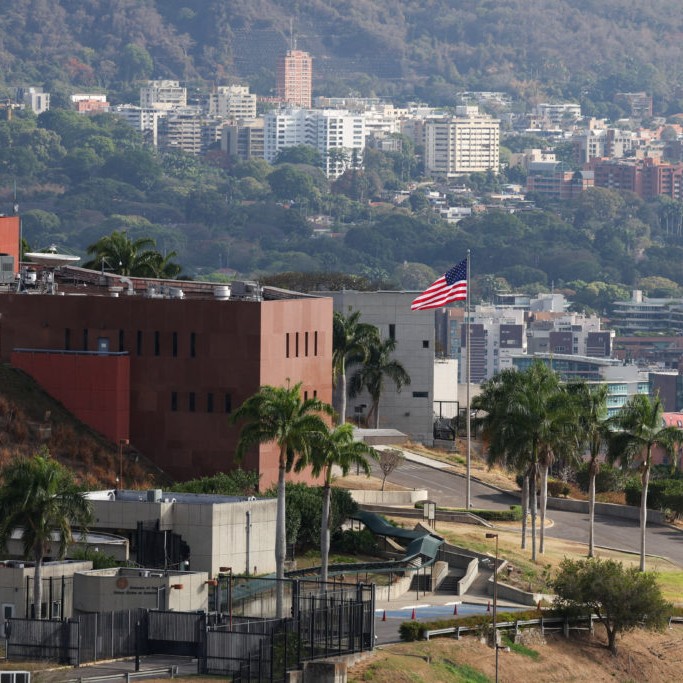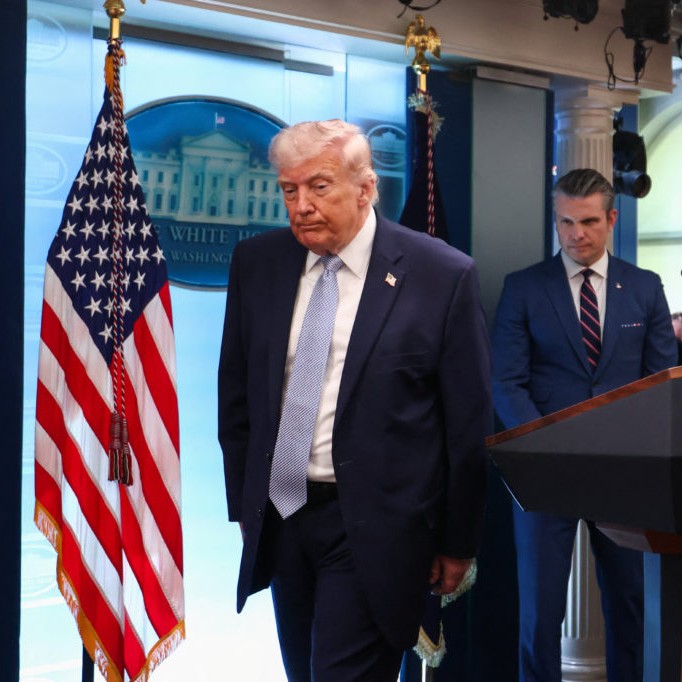


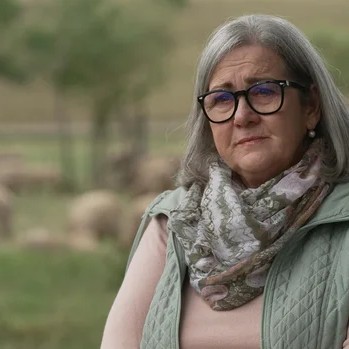
Trump has a new refugee exception, and it is not subtle. While his administration talks tough about shutting down migration routes, one group is getting a welcome mat: White South Africans, mostly Afrikaners. The justification is also explosive, a genocide claim that South Africa rejects and that U.S. politics loves to litigate.
What You Should Know
CBS News reported that President Trump said White South African farmers are victims of genocide and that his administration is welcoming them as refugees. The South African government disputes the genocide claim, and CBS News visited South Africa for its reporting.
The tension is not just about South Africa. It is about who gets the benefit of the doubt when Washington decides which fear counts, which violence gets elevated into policy, and which refugees get told to wait outside.
The Refugee Carve-Out That Does Not Match the Rhetoric
In a CBS News report tied to a “60 Minutes” transcript, the Trump administration is described as permanently pausing migration from what it calls third-world countries after a deadly incident in Washington allegedly involving an Afghan refugee. In that same telling, one group is being welcomed: White South Africans, mostly Afrikaners, described as descendants of Dutch settlers.
That split screen is the story. A broad pause framed as public safety, paired with a narrow exception framed as humanitarian urgency. If you are looking for a clean, consistent rule, this is not it.
The administration line, as presented by CBS News, is that White farmers in South Africa are victims of genocide. The South African government disputes that. That is not a minor disagreement over adjectives. It is a fight over what the U.S. government is willing to certify as reality and then convert into immigration outcomes.
On the Ground, the Crime Is Real, and the Label Is the Battlefield
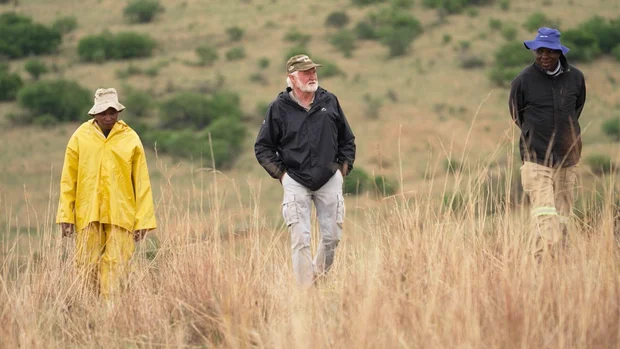
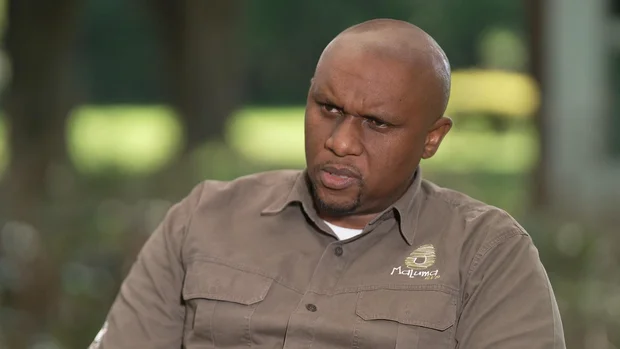
CBS News sent “60 Minutes” to South Africa, including KwaZulu-Natal in the country’s southeast, where it interviewed Darrel Brown, described as a seventh-generation rancher and farmer. Brown talked about growing up with farming as destiny, then described the risk that now shadows that life.
His description was personal, not abstract. “It was always in my blood. It’s a calling,” Brown said, according to the transcript.
CBS News also reported that Brown’s father was attacked about a decade earlier and that friends of Brown were murdered in a robbery nearby in 2020. Those details land hard because they are not theoretical. People do get attacked. People do get killed. Farms do get targeted.
But calling that pattern genocide is a different move. It is not simply describing danger. It is asserting an organized, identity-based extermination campaign, a term that carries international legal weight and, domestically, instant political voltage.
The Word Genocide Has a Legal Meaning, Not Just a Campaign Use
Genocide is not just a synonym for brutality. Under the United Nations’ genocide convention, it refers to specific acts committed with the intent to destroy, in whole or in part, a national, ethnic, racial, or religious group.
That legal definition is why the dispute matters. If a government is going to elevate one group’s suffering into a special refugee channel, the administration has to sell more than the claim that the country is dangerous. It has to sell the idea that this violence is targeted, identity-driven, and aimed at destruction.
CBS News put the dispute plainly: Trump says genocide, South Africa says no. That gap is where policy gets made, and where critics argue the word is being used as a moral crowbar to pry open an exception.
South Africa Rejects the Claim, and the US Still Gets to Choose a Side
South Africa’s government has pushed back on the genocide framing, according to CBS News. That is not surprising. Accepting the genocide label would be an admission of state failure on a world stage, and it would invite pressure, scrutiny, and potentially sanctions talk.
But Washington does not need Pretoria’s permission to create an immigration category or to describe foreign violence the way it wants. It can decide that one set of reports is persuasive, that one minority group fits a political narrative, and that one label should drive admissions.
That is the power dynamic: the U.S. government can effectively announce a verdict on another country’s internal conflict and then hard-code that verdict into who gets entry.
The other power dynamic is domestic. Refugee policy is supposed to be about vulnerability and protection. In practice, it is also about storytelling, about which cases get amplified and which ones get treated as background noise.
Why This Plays in US Politics
A selective refugee welcome can do multiple jobs at once. It can signal toughness while still offering a humanitarian headline. It can appeal to voters who want less immigration in general, but do not want to say no to everyone. It can also turn a complicated foreign crime problem into a simple culture-war wedge.
The genocide claim, in particular, is a political accelerant. It forces a binary debate. Either you agree with the label, or you are accused of ignoring victims. Either you reject it, or you are accused of dismissing violence. That is why the word travels so well, even when the underlying facts are messy.
CBS News’ framing also puts the contradiction on the table without doing the audience’s thinking for them. A sweeping pause justified by safety, plus an exception justified by genocide, invites the same question every administration eventually faces: is this policy built to reduce risk, or to reward a preferred narrative?
The Stakes for the People Involved Are Not Theoretical
For South Africans seeking refuge, getting classified as a protected group can be life-changing. Refugee status is a pathway to safety, legal presence, work authorization, and stability for families who believe they are running out of options.
For South Africa, the label is reputational. A genocide narrative, once it sticks in U.S. politics, can shape investment perceptions, diplomatic relations, and tourism narratives. It can also inflame internal tensions by encouraging groups to see one another as existential enemies rather than political opponents.
For U.S. refugee policy, the stakes are institutional. The more carve-outs are built around high-voltage labels, the more the refugee system becomes a stage for domestic messaging instead of a consistent framework for evaluating claims of persecution.
What Happens Next, and What to Watch
The next step is not a single court ruling or one televised interview. It is the slow grind of how cases get processed, how criteria get applied, and whether this exception expands, contracts, or gets challenged.
Watch for three pressure points.
- Whether the administration clarifies the legal basis for prioritizing this group, and whether it ties that basis to a specific, documentable standard beyond political rhetoric
- Whether South Africa escalates its diplomatic pushback, especially if the U.S. characterization hardens into repeated official statements
- Whether the U.S. debate shifts from the facts on the ground to the strategic value of the genocide label itself
For now, CBS News has put the core contradiction in bright light. A government can tighten the border and still pick favorites. The fight is over the receipts, the definitions, and who gets believed when the stakes are a visa and a life.
References