

Washington has a familiar Iran problem and a new cast list. This time, the argument is not just about sanctions or centrifuges. It is about who even gets to carry the message.
What You Should Know
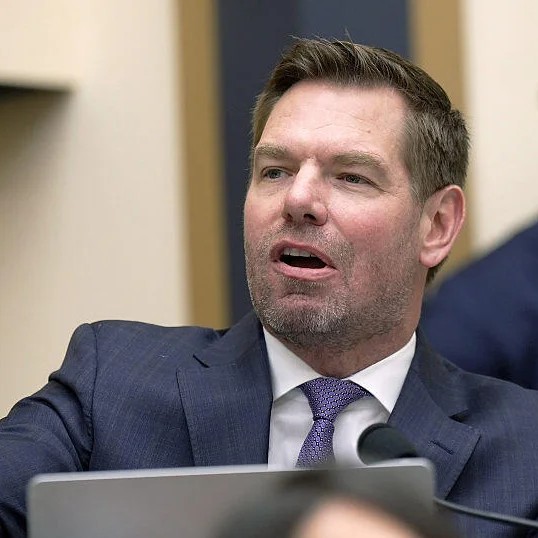
Sen. Mark Kelly criticized reports that Trump ally Steve Witkoff and former senior adviser Jared Kushner could be involved in unofficial Iran diplomacy. The dispute spotlights how backchannel outreach can collide with formal U.S. policy, oversight, and credibility.
The criticism, highlighted by The Hill, comes amid a political environment where Iran policy is always high-stakes and weaponized. Kelly, an Arizona Democrat, is essentially asking a basic power question: If sensitive diplomacy is happening, who is accountable for it?
A Senate Warning Shot, With Names Attached
Kelly’s point is not subtle. In the U.S. system, diplomacy is supposed to run through elected leadership and confirmed officials, with Congress watching closely, and adversaries parsing every signal.
Unclear roles are the danger zone. Even the perception that private citizens or informal envoys are freelancing can create mixed messages abroad and a political mess at home because foreign governments tend to treat access as authority.
Kushner’s Middle East Resume, and the Business Shadow
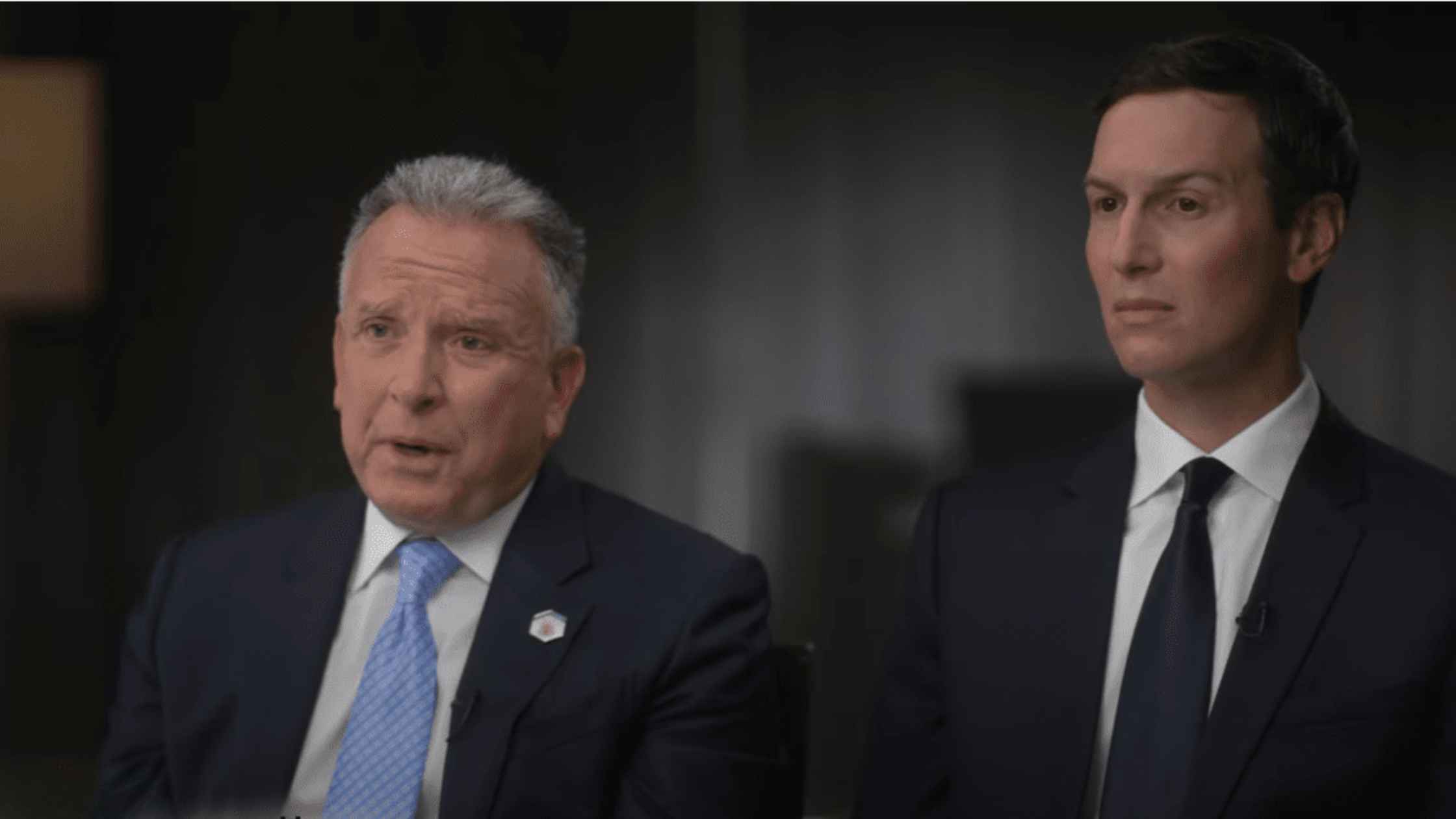
Kushner is not a random name in this debate. During the Trump White House, he held a senior adviser role and was tasked with high-profile Middle East work, including a push tied to Arab-Israeli normalization agreements, according to his White House biography.
However, that resume also invites the question Kelly is leaning into: When a figure known for blending politics and dealmaking is mentioned in the same sentence as Iran, is it diplomacy, influence peddling, or just optics that will be exploited either way?
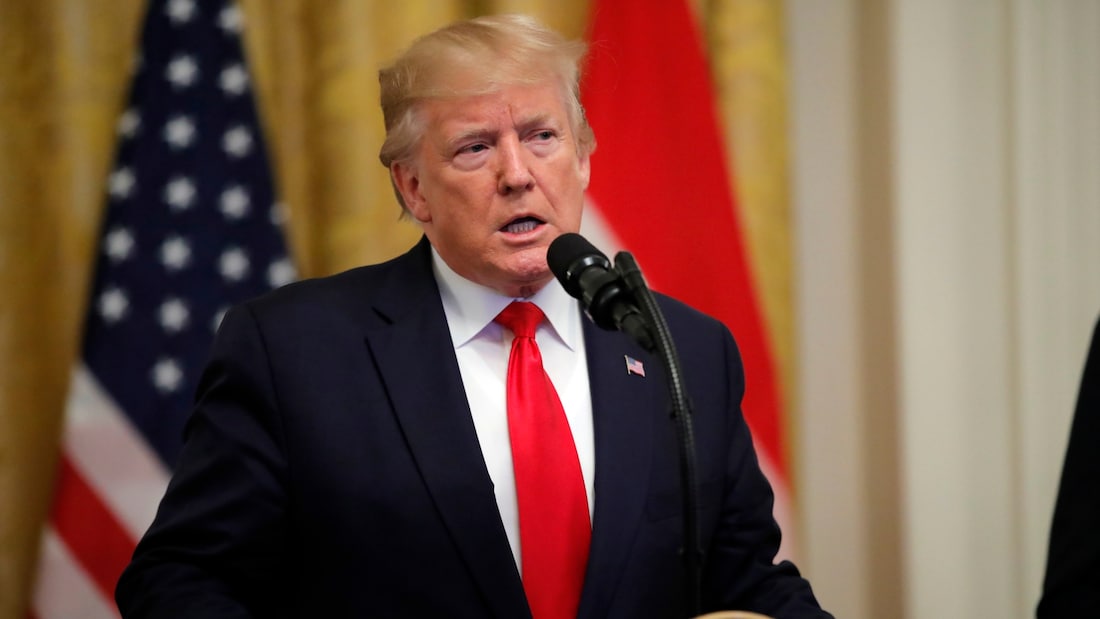
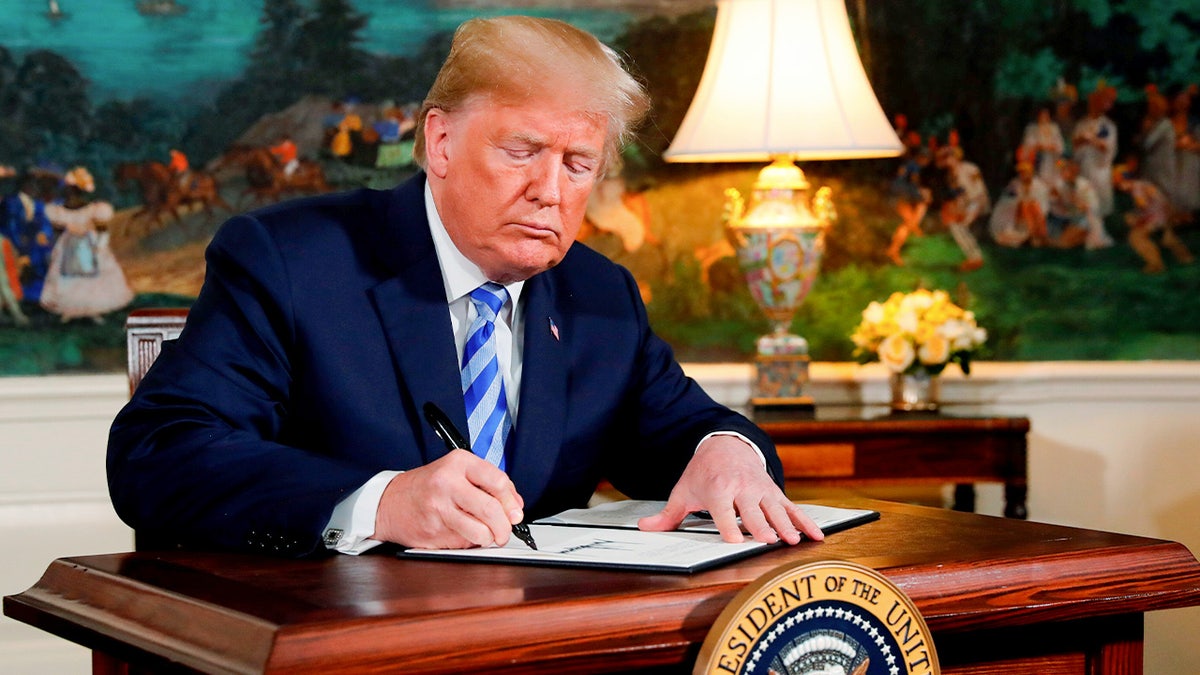
The contradiction gets sharper when you stack it against Trump’s own record on Iran diplomacy. In a May 8th, 2018, White House transcript about leaving the Iran nuclear deal, Trump called the agreement, “a horrible one-sided deal that should have never, ever been made.” That line still frames what many voters think Trump’s team wants, even when newer reporting suggests behind-the-scenes contact.
Backchannels, Leverage, and What to Watch
Backchannels are not automatically scandalous. Governments use them to float proposals, test off-ramps, and avoid public humiliation. The issue is leverage, because when unofficial players appear to speak for a potential future administration, every conversation becomes a proxy for power.
For Kelly, the win is forcing clarity: Who is talking, on whose behalf, and with what guardrails? For everyone else, the tell will be whether this stays a cable-news argument or turns into hearings, paperwork, and consequences.