

What You Should Know
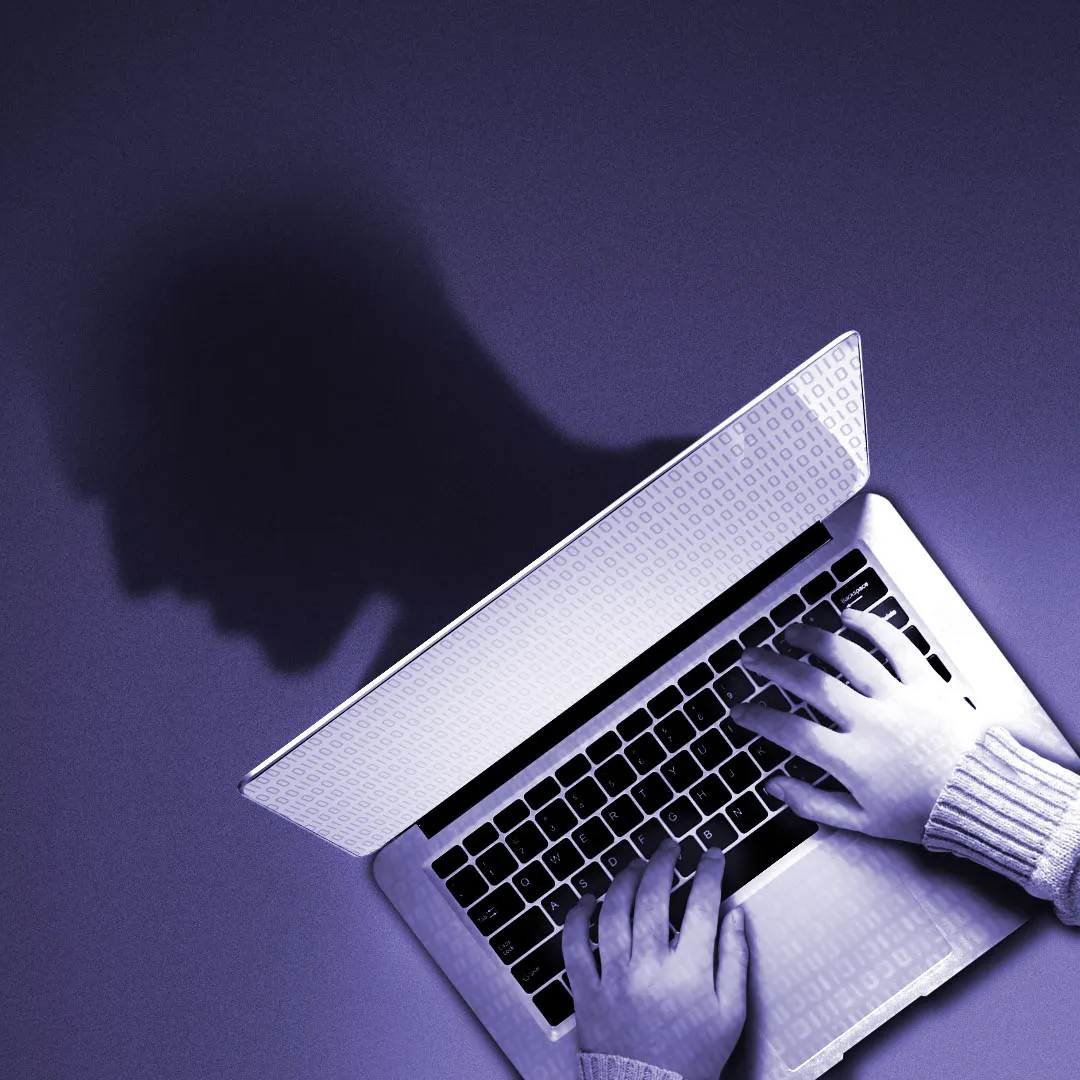
According to Axios, Iran-linked hackers in late March 2026 paired data leaks with intimidation messages aimed at government personnel and employees at major companies. Axios also reported that claims connected to Lockheed Martin had not been independently verified.
The play is simple and effective. Take a leak, attach a threat, then aim it at individuals who still have to show up at work, talk to bosses, and explain what is or is not real.
How the Pressure Campaign Works
Axios described a pair of Iran-linked episodes that mixed data exposure with psychological tactics. The point is not necessarily to prove a fresh intrusion. The point is to create a new obligation: respond, reassure, and spend.
That dynamic is why U.S. agencies, including the FBI and the Cybersecurity and Infrastructure Security Agency, have repeatedly warned that foreign cyber actors do not need a flawless hack to cause damage. A convincing message, a small batch of old data, and a well-timed nudge to employees can trigger incident response costs, legal reviews, and executive-level panic.
Microsoft, which has tracked multiple Iranian state-linked groups over the years, has also documented how influence operations can be paired with cyber activity to shape narratives around conflicts. In that model, attention is the prize. Network access is only one way to get it.
The Lockheed Martin Name Drop, and the Verification Problem
The Axios report flagged that Lockheed Martin-related claims remained unverified. That detail matters because big-name branding is part of the weapon. When a global defense contractor’s name is floated, even loosely, the story can outrun the evidence.
Axios put the resource drain in plain terms: “Even recycled or low-value data can force costly investigations and response efforts.” For a company, that can mean emergency briefings, outside forensics, and new controls. For employees, it can mean personal exposure, internal scrutiny, and reputational risk.
Why the Playbook Shifts to People, Not Networks
Corporate security teams are built to harden systems. Individuals are harder to patch. A threatening message can be forwarded to colleagues in seconds, and the resulting uncertainty can spread faster than any malware.
What to watch next is whether more campaigns adopt the same formula of leak plus intimidation, and whether targets publicly disclose what is verified versus what is noise. In cyber conflict, that distinction is often where the real power fight begins.