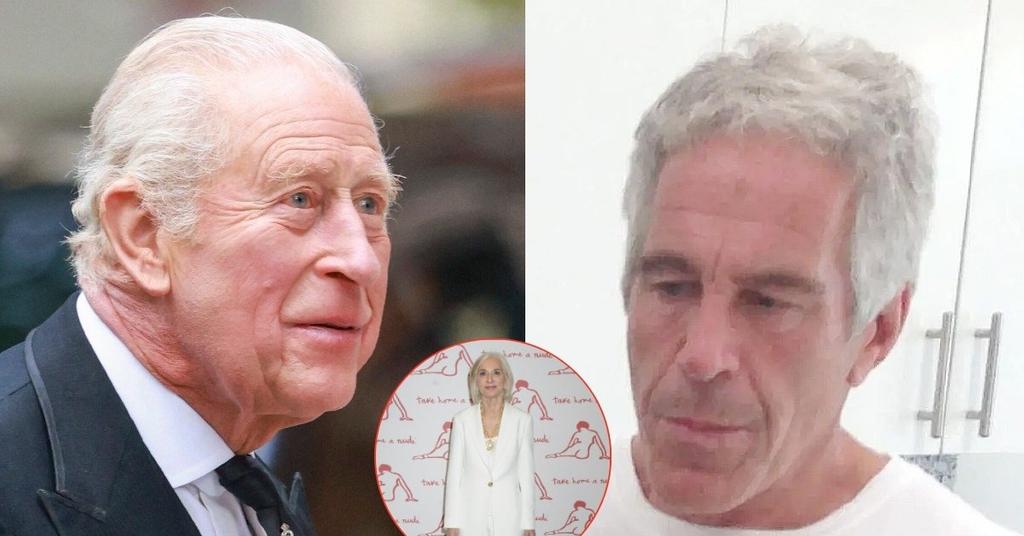
A model contest, a charming fixer, and a visa stamped with the wrong kind of sponsorship. The new questions around Jeffrey Epstein are not about what he wanted, but about who built the logistics that made it possible.
What You Should Know
BBC News Brasil reported that women from Brazil described recruitment efforts tied to French modeling agent Jean-Luc Brunel, and that a Brazilian federal prosecutor opened an inquiry in February 2026 into possible recruitment networks linked to Jeffrey Epstein.
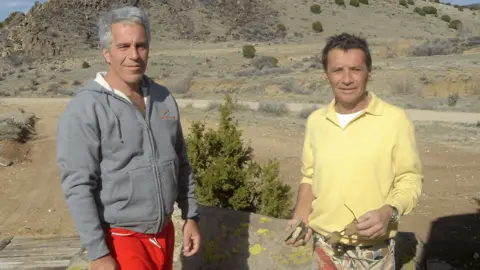
The reporting centers on claims that Brunel, a well-connected modeling agent later accused of sex crimes and found dead in a French prison, used contests, agencies, and travel paperwork to steer young women toward Epstein, the late financier and convicted sex offender.
The Modeling Pipeline
One woman, Glaucia Fekete, told the BBC that Brunel came to her family home in 2004, when she was 16, pitching a path through the modeling world that started with a contest trip to Ecuador. She said she grew uneasy during the trip when she was not allowed to contact her family.
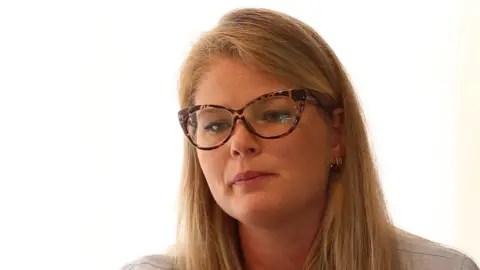
Another contestant, identified only as Laura, described a competition that could look legitimate on the surface while still functioning as a hunting ground. She told the BBC, “It was weird how he behaved and was always hanging out with the young Brazilian girls.”

Then came the step that changed the stakes, a flight offer to New York, presented as career oxygen. Fekete said her mother shut it down immediately, and the BBC reported the family cut ties with Brunel’s network after that.
“No. Not a chance.”
The Paper Trail and the Visa
The BBC’s most concrete leverage point is not a rumor or a vibe. It is paperwork. One Brazilian woman, Ana, showed the BBC her passport and a U.S. visa that named a Brunel-linked agency, Karin Models of America, as the sponsor, even though she said she never actually worked there.
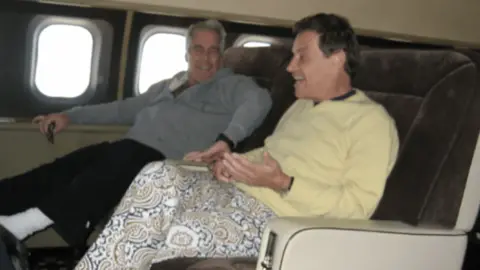
According to the BBC, Ana said the visa process was about access, not runway bookings, and that she traveled multiple times to see Epstein before U.S. authorities later canceled the visa after questioning who was paying for her work and whether she was receiving money in the United States.
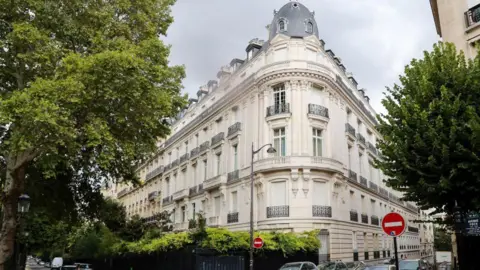
The BBC also reported that U.S. government records place Epstein in Guayaquil on August 24th, 2004, and August 25th, 2004, overlapping with the modeling contest’s finale, and that at least one model under 16 who attended the event flew on Epstein’s plane at least twice that year. The tension is obvious: public-facing glamour, private-facing transport.
Brazil Opens a New Door
In February 2026, Brazil’s Federal Public Prosecutor’s Office, known as the MPF, opened an investigation into whether a recruitment network in Brazil was linked to Epstein, the BBC reported. Federal prosecutor Cinthia Gabriela Borges told the BBC she wanted to speak with women who had contact with Epstein to map how the system worked, and that the women are not the target of the inquiry.
What to watch next is the “missing middle,” the sponsors, scouts, agencies, and fixers who sit between a powerful client and a vulnerable teenager, and who often leave the only trail that matters: documents. If investigators can identify who arranged travel, vouched for visas, and handled money, the Epstein story stops being just a portrait of one predator and starts looking like a service industry.