

It starts as a simple question from the police. Who was near the scene? But a geofence warrant can turn that question into a mass query of strangers, and the Supreme Court has not issued the definitive yes-or-no that law enforcement, tech companies, and privacy advocates all want.
What You Should Know
Geofence warrants seek location data for every device within a defined area and time window, often from Google. Lower courts are split on whether they are constitutional under the Fourth Amendment, and Supreme Court precedent from 2014 and 2018 is central to the fight.
At the center is a modern power move: investigators using the data trails of everyday life to build cases, while critics argue the method resembles a digital general warrant. The stakes are not abstract. The tool can surface a suspect, but it can also pull in bystanders, customers, employees, and neighbors who never knew their phones were part of an investigation.
The Warrant That Starts With Everyone
A geofence warrant typically demands records for all devices detected within a specific geographic area during a specified time range. Police then narrow the pool, sometimes in stages, from anonymous device identifiers to more detailed location paths, and, in some cases, to subscriber information.
Supporters say the staged process matters because it can reduce exposure for uninvolved people and create leads when there are no witnesses or usable video. Critics say the starting point is the problem. The initial sweep is built on proximity, not probable cause tied to a named suspect, which is why some defense lawyers have attacked geofences as the kind of broad search the Fourth Amendment was designed to prevent.
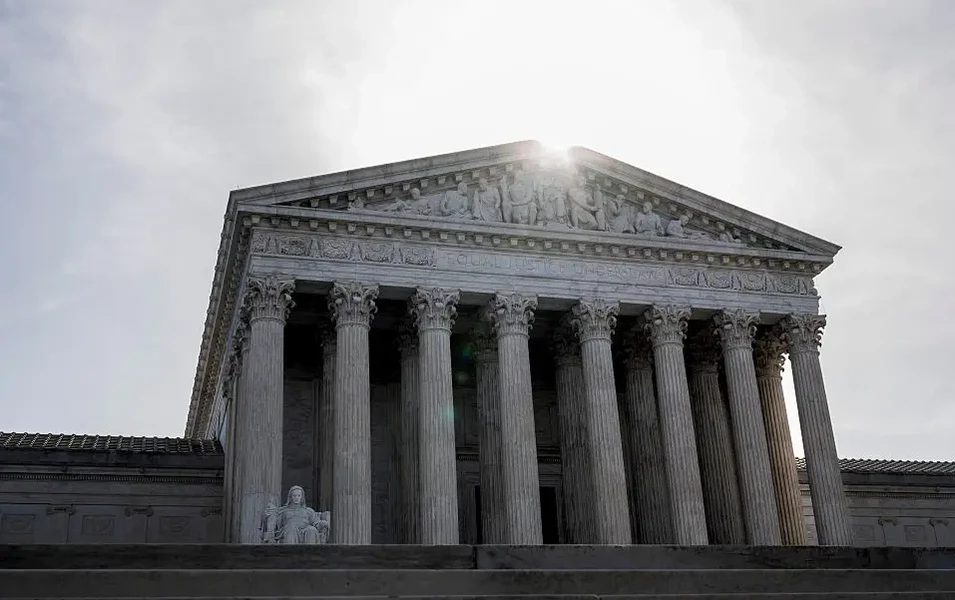
The Supreme Court has not squarely ruled on geofence warrants, but it has laid down pressure points for any judge weighing them. In 2018’s Carpenter v. United States, the Court said the government generally needs a warrant to access a trove of historical cell phone location records. Chief Justice John Roberts wrote, “A person does not surrender all Fourth Amendment protection by venturing into the public sphere.”
Carpenter Set the Trap, Courts Are Still Arguing
That line, and Carpenter’s broader logic, has become ammunition on both sides. Privacy advocates argue that geofence warrants are Carpenter’s nightmare scenario, location tracking at scale. Prosecutors often counter that geofences can be tightly limited by time and place, and that the process can be narrowed before anyone is identified.
Another Supreme Court marker is Riley v. California in 2014, in which the justices held that police generally need a warrant to search a cell phone seized during an arrest. Riley was about the phone in your hand, not location data held by a third party, but it signaled the Court’s view that smartphones are not just another container in your pocket.
Why the Stakes Are Rising Now
The practical reality is that geofence warrants live at the intersection of policing and platform power. When a handful of companies control enormous datasets of location data, court orders targeting those companies can become a fast lane for investigators. For tech firms, the legal fight is also a precedent fight, because a permissive rule can invite broader demands, while a restrictive rule can limit a popular investigative shortcut.
For ordinary people, the tension is simpler. The government says it is targeting a scene. The bystander experience is that their phone became evidence without their knowledge. Until the Supreme Court takes a direct swing at geofences, the next battleground remains the same: uneven rulings across jurisdictions, and a legal standard that keeps wobbling between precision and bulk collection.
Watch for the cases that force the Court to answer the question it keeps circling. When a warrant is issued to everyone, the Constitution eventually demands to know who, exactly, was supposed to be suspected in the first place.