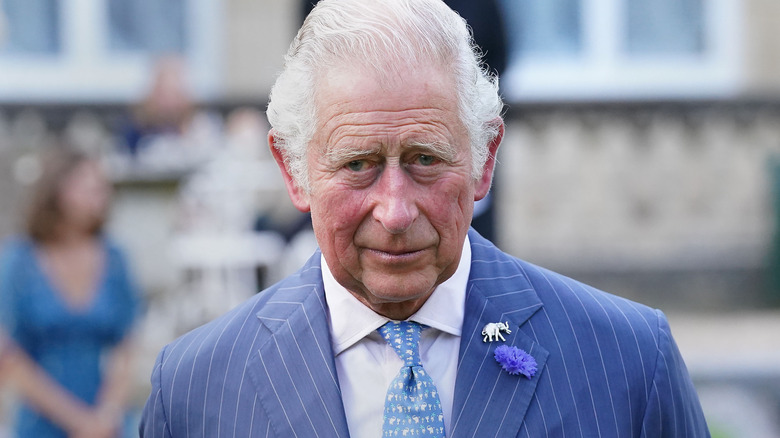


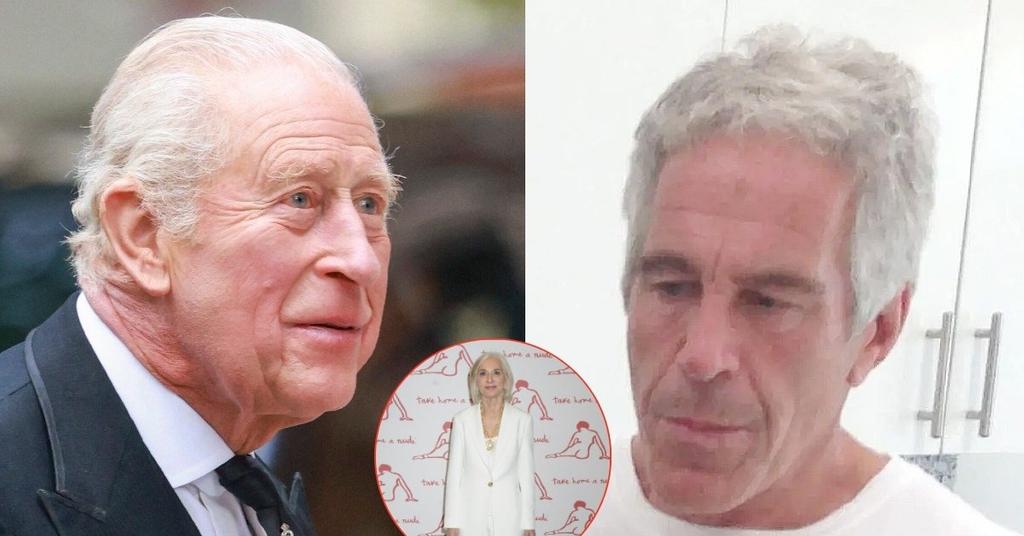
King Charles III was supposed to be the reset button. Instead, the monarchy keeps getting yanked back into an American scandal that refuses to stay buried, because Jeffrey Epstein’s network still has famous names attached to it.
What You Should Know
Jeffrey Epstein was arrested on federal sex trafficking charges in July 2019 and was later found dead in a New York jail. Prince Andrew has faced public scrutiny over his association with Epstein and has denied allegations connected to the case.
Charles is not accused of wrongdoing in the Epstein saga, and the public record does not put him at Epstein’s parties. The problem is closer to home: Prince Andrew, the king’s brother, and a long-running controversy that keeps reappearing whenever U.S. investigators, courts, or journalists revisit Epstein’s world.
The Palace Wants Distance, the Story Keeps Closing In
The Royal Family’s core strategy has been separation. Andrew stepped back from public duties after his 2019 BBC interview and the ensuing fallout, while Charles, first as Prince of Wales and now as king, has projected continuity and restraint.
But Epstein is not a normal scandal, because it is also a criminal justice story with a cross-border trail. According to the U.S. Department of Justice, Epstein was indicted in the Southern District of New York in July 2019 on sex trafficking charges involving minors, which placed his relationships and logistics under a brighter spotlight.
What We Know About Andrew, and Why Denials Have Not Settled It
Andrew has acknowledged knowing Epstein, and he has faced years of questions about his judgment and his proximity to Epstein’s social circle. In the BBC’s “Newsnight” interview, Andrew addressed a photo that appeared to show him with Virginia Giuffre and said, “I have no recollection of ever meeting this lady.”
Giuffre alleged that Andrew sexually abused her when she was 17, a claim Andrew denied. The civil lawsuit was settled in 2022, and Andrew has not been criminally charged in the United States in connection with Giuffre’s allegations.
Why King Charles Still Pays the Price
The monarchy’s vulnerability is not legal; it is structural. Charles runs an institution built on deference, symbolism, and controlled access, while Epstein’s case runs on the opposite fuel: documents, depositions, and a public appetite for names, travel, and timelines.
Every time Epstein’s story reenters the news cycle, the question is less about what Charles did and more about what the Crown will tolerate. For a king selling stability, Andrew’s lingering notoriety is a reminder that the brand can be damaged by a single family member who will not stop generating headlines.
Watch for two pressure points: whether any fresh U.S. filings or disclosures revive Andrew-specific details, and whether the Palace makes any further moves to narrow his role, his security footprint, or his visibility. Charles may want the Epstein era filed away, but the United States has a habit of reopening drawers.