

What You Should Know
The National Emergencies Act gives presidents a formal way to declare a national emergency and unlock special statutory powers. Those emergencies can persist through annual renewals, and ending one generally requires Congress to pass a law that can survive a presidential veto.
The argument is not that emergencies never happen. It is that the emergency toolbox, built for speed, has become a standing feature of the job, and the people with the best chance to tighten it up are also the ones who benefit from leaving it loose.
The Emergency Trick That Never Ends
The National Emergencies Act, passed in the 1970s, was supposed to put guardrails on a presidency that had accumulated sprawling, ad hoc emergency authority. Instead, it created a clean, recognizable label for an emergency, plus a path to keep it alive through routine renewals.
Once an emergency is declared, the real action shifts to the fine print: dozens of separate laws scattered across the U.S. Code allow specific moves once a president activates emergency status. The White House sets the statutes, the agencies execute them, and Congress often ends up watching the consequences roll in after the fact.
The Loophole Is Not a Secret
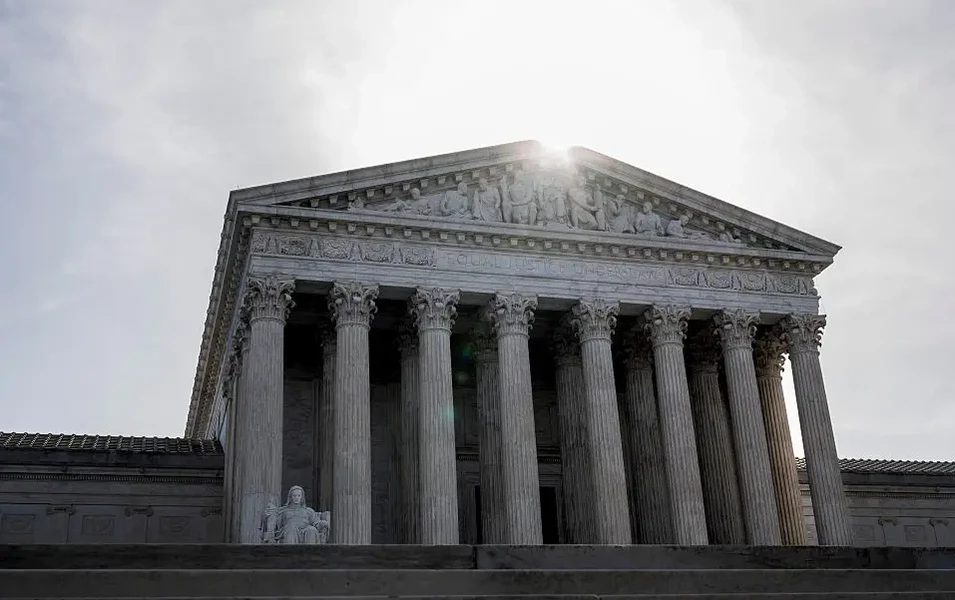
Congress technically has a way to stop an emergency. Practically, it is hard. After a 1983 Supreme Court decision on legislative vetoes, termination typically requires legislation that either the president signs or Congress overrides after a veto. In other words, the executive branch often gets the last word on whether the emergency ends.
The political incentives are even cleaner than the procedure. Members can denounce emergency declarations when the other party holds the pen, then discover the same shortcut looks useful when their side needs speed on sanctions, border policy, disaster response, or public health.
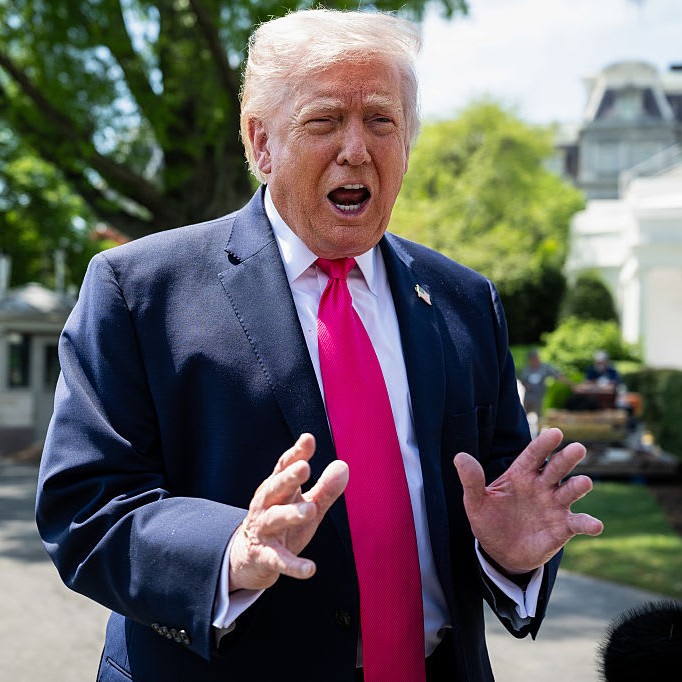
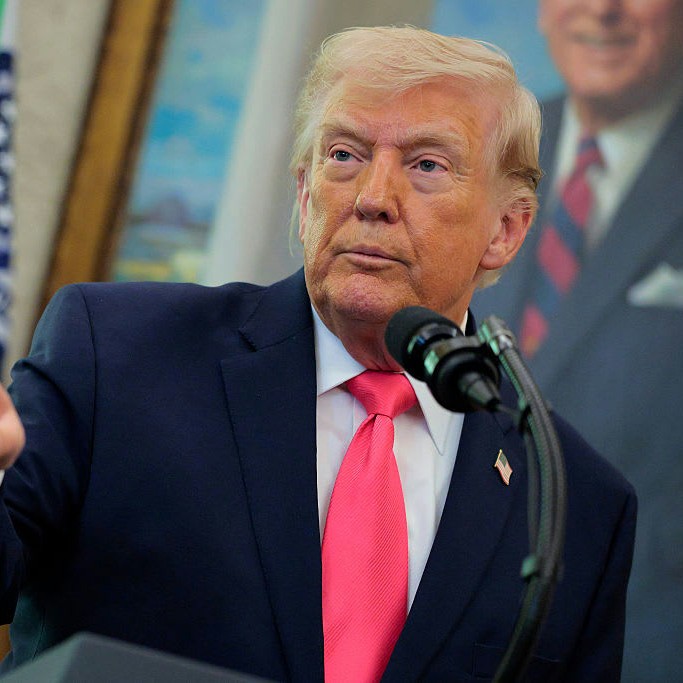
That is why one of the most revealing moments in recent emergency-power history was not hidden in a memo. During his February 15th, 2019, Rose Garden announcement declaring a national emergency at the southern border, President Donald Trump framed the move as optional, saying, “I didn’t need to do this, but I’d rather do it much faster.” The line captured the entire temptation: emergencies are not only for the unthinkable but also for the inconvenient.
What Happens Next, If Anyone Blinks
Reform proposals tend to circle the same pressure points: force Congress to vote to continue an emergency after a short window, narrow which statutes can be triggered, and require clearer reporting on what powers are being used, and why.
But the real test is not whether lawmakers can draft limits. It is whether they will accept a world where a president, including their own, cannot keep an emergency alive by default.