

The storm moved on. The consequences did not.
Across the U.S., officials are still counting bodies, still restoring power, and still watching the forecast for what could be the next hit. The tension is simple: the weather is easing in some places, but the risk is not.
As of January 26, 2026, CBS News reported at least 60 confirmed deaths directly tied to storm conditions or weather-related accidents. Officials in multiple states were also reporting about 23 additional deaths that appeared to be winter weather-related, pending confirmation.
The headline number is big. The details are uglier, and they point in a dozen directions at once.
A Death Toll With Many Causes, and 1 Common Thread
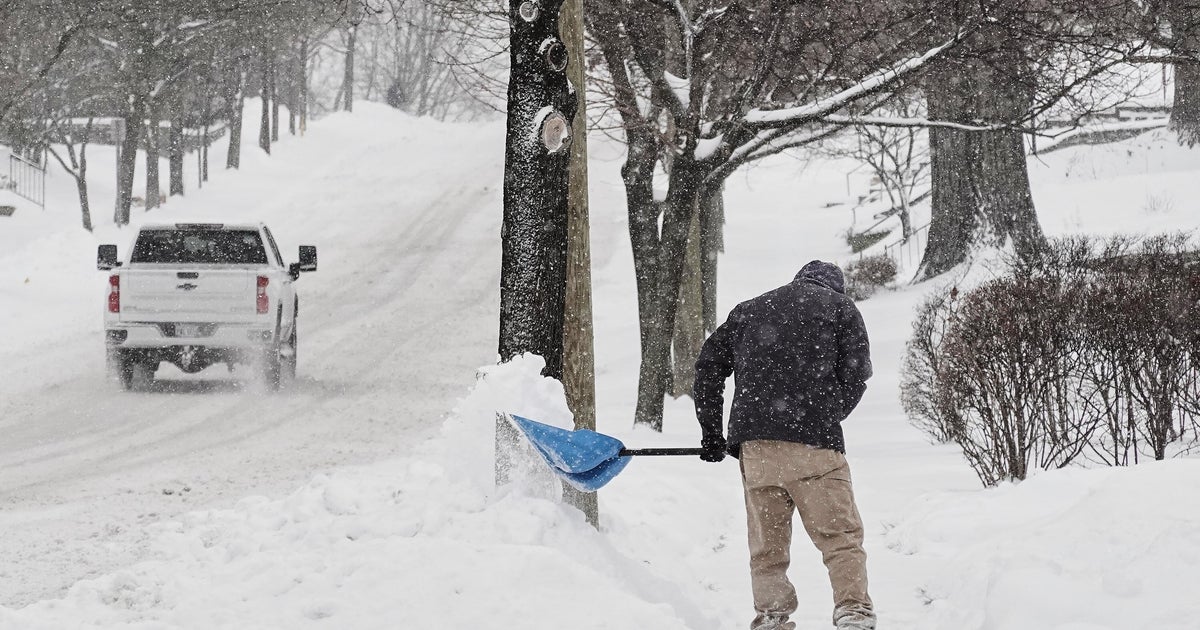
The confirmed deaths CBS News cited were linked to a familiar list of winter hazards: hypothermia, vehicle crashes, snowplow incidents, sledding accidents, and sudden cardiac emergencies associated with shoveling snow.
That last category always reads like a footnote until it starts piling up in real time. Snow removal is not just a nuisance in a deep freeze. It becomes a physical stress test, often happening when people are cold, rushed, and trying to access jobs, schools, medications, or emergency services.
In New York City, Mayor Zohran Mamdani said 10 people had been found dead in the cold, according to CBS News, with some causes of death still unconfirmed. In a city that can mobilize enormous resources on short notice, the fact that people can still die from exposure puts the spotlight on who gets protected first, and who is left to survive the elements without a reliable safety net.
200 Million in the Storm’s Path, but Not the Same Level of Protection
The National Weather Service said the storm affected roughly two-thirds of the United States, with about 200 million people in the footprint. That sounds like one national emergency, but the experience on the ground is often a patchwork: different grids, different road crews, different shelter capacity, different rules, and different budgets.
That patchwork matters when the hazard is not only snow, sleet, and ice, but time. The longer the cold lingers, the more basic failures turn into life-or-death problems, especially for people with fragile housing, limited transportation, medical needs, or no reliable heat.
CBS News meteorologist Nikki Nolan said frigid air kept gripping the eastern half of the country, driving temperatures far below normal. The National Weather Service warning carried the kind of line that turns an inconvenience into a planning crisis: it “could be the longest duration of cold in several decades.”
A long-duration cold event is not just about one night of dangerous wind chill. It is a multiplier. Pipes burst. Backup generators run out. People try to drive when they should not. People try to heat their homes in unsafe ways. A small mistake has more time to become a serious emergency.
The Quiet Crisis: Hundreds of Thousands Without Power
Death totals grab attention. Power outages quietly decide who stays safe afterward.
CBS News reported that more than 312,000 outages were logged as of a Wednesday night count, concentrated primarily in southern and southeastern states. Tennessee, Mississippi, Louisiana, and Texas were among the hardest hit, with outages also reported in Kentucky, Florida, South Carolina, and Georgia.
That geography adds a layer of risk. In many places that do not routinely live in extended deep freezes, homes and infrastructure are less prepared for prolonged cold. When the power goes out, there is no easy switch to flip. Heat sources are limited, repair crews may be stretched, and households that were never built for single-digit wind chills are suddenly improvising.
Outages also create a political clock. Governors and mayors face immediate questions about readiness and response, while utilities face scrutiny over restoration timelines. Meanwhile, the public is left balancing personal survival decisions with the practical reality of closed roads, school cancellations, and damaged property.
What Forecasters Were Watching Next
Even as crews dig out, forecasters were warning the story could keep expanding.
CBS News reported another surge of Arctic air pushing southward, with the potential for record low temperatures. In the Northeast, colder air moving over the Great Lakes can fuel lake-effect snow, which is less about a single dramatic system and more about sustained, localized punishment.
The National Weather Service, as cited by CBS News, warned of lake-effect snow capable of producing 1 to 2 feet or more in parts of upstate and western New York, including areas around Buffalo, Syracuse, Watertown, and Rochester.
Massachusetts residents were also bracing for a possible rapidly strengthening storm system that meteorologists described as a potential bomb cyclone, CBS News reported, while noting uncertainty in the forecast at the time. The key point for ordinary people is not the label. It is the combination of wind, heavy precipitation, and coastal impacts that can disrupt travel and power, then put lives in danger when temperatures stay low.
Cold Kills Differently Than a Tornado, and That Can Hide the Stakes
A tornado leaves a path you can film from a helicopter. Extreme cold can spread damage across hundreds of miles, mostly indoors and mostly out of sight, with consequences that show up later in emergency rooms, in medical examiner reports, and in the slow paperwork of confirmation.
Public agencies have long warned that cold exposure can be deadly, particularly when wind chill accelerates heat loss and when people underestimate how quickly conditions can become dangerous. The CDC’s National Institute for Occupational Safety and Health notes that cold stress can lead to serious health problems, including hypothermia and frostbite, and that risk increases with low temperatures, wind, and wetness.
That is the contradiction at the heart of events like this: the hazard is widely known, the warnings are often clear, and yet the casualty count can still climb. Not because people do not hear the message, but because hearing a warning is not the same as having the resources to act on it.
What To Watch as the Count Continues
The death toll figure is likely to remain fluid as officials confirm causes and decide whether additional deaths meet the threshold for being storm-related. That process can take time, especially when there are overlapping factors like preexisting health conditions, delayed medical care, or crashes where weather is one of multiple contributing causes.
Meanwhile, the practical stakes are immediate. Restoration timelines, shelter capacity, and the next round of cold or snow will determine whether the storm’s aftermath stays an emergency or becomes a prolonged attrition event for the people least able to absorb it.
If this cold stretch does last as long as the National Weather Service suggested it might, the story will not be only about what fell from the sky. It will be about which systems held, which ones broke, and who paid the price while the country waited for temperatures to climb.