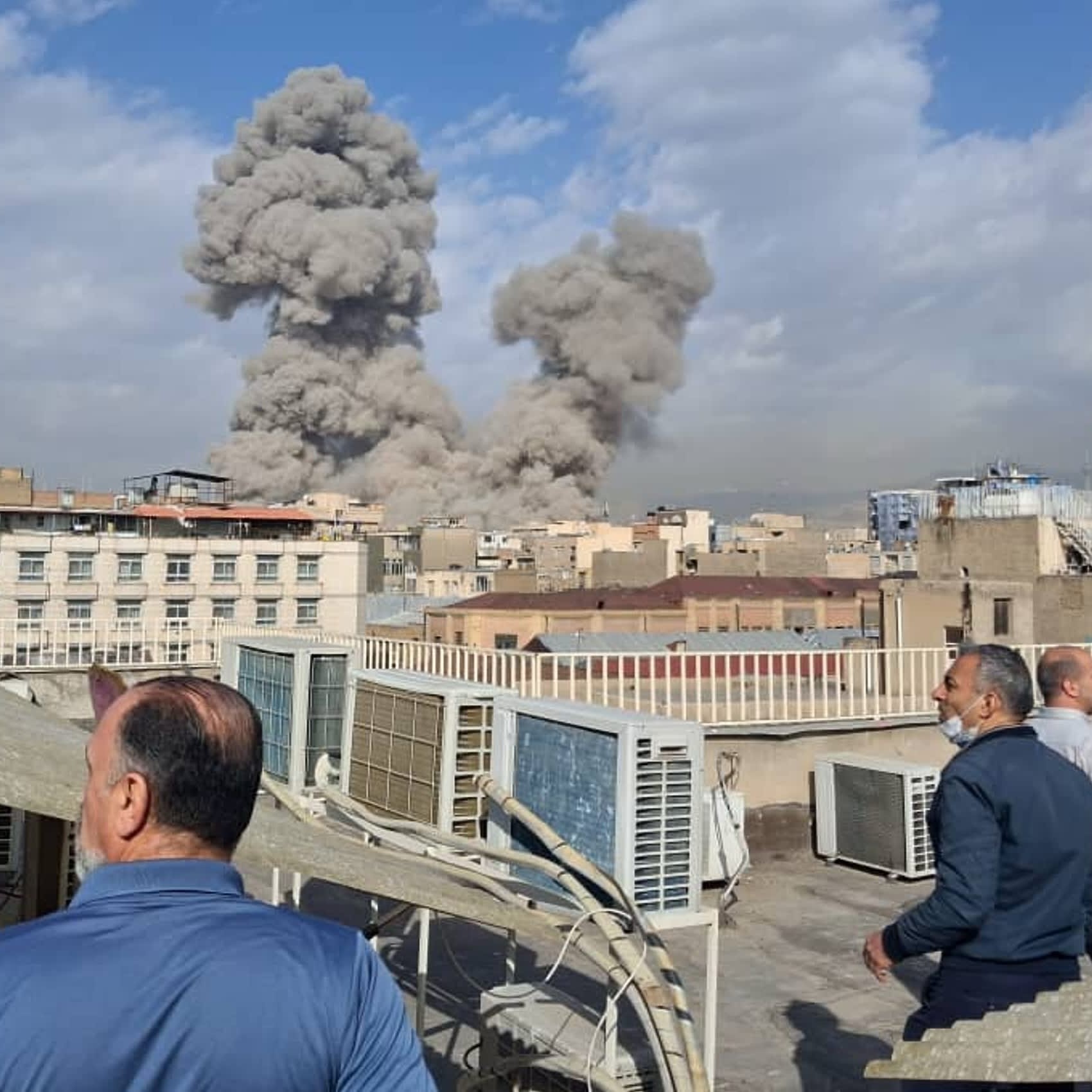
One line from Air Force One, one active Pentagon inquiry, and one cratered school building in southern Iran. Now, the biggest question in this new war is not just who fired, but who gets to name the culprit first.
What You Should Know
President Trump said he believes a strike on a girls’ primary school in Minab, Iran, was carried out by Iran. The White House said the investigation is ongoing, and CBS News reported U.S. investigators were also examining possible U.S. responsibility.
The dispute centers on a blast at a school, Iranian media identified as the Shajareh Tayyebeh elementary school, in Minab, in Iran’s Hormozgan province. Iranian officials have blamed the U.S. and Israel for the strike, and casualty claims have varied in Iranian reporting.
The Finger-Pointing Started on Air Force One
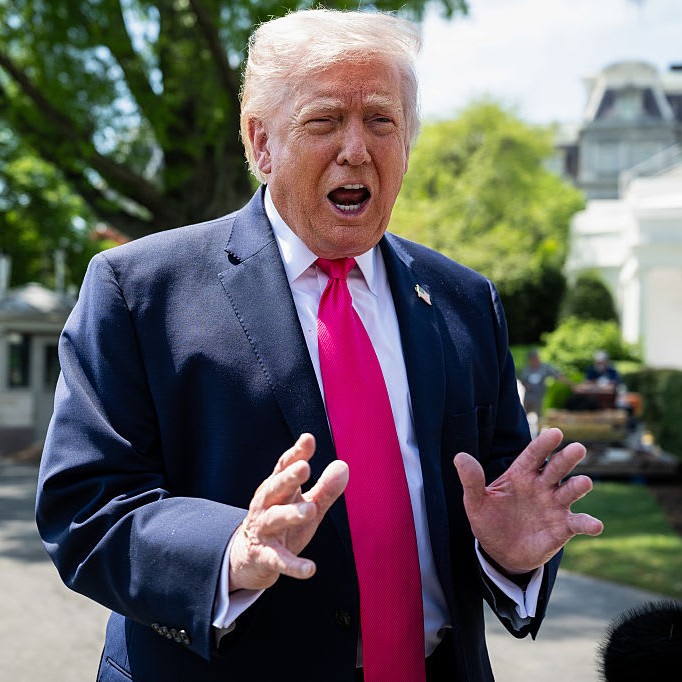
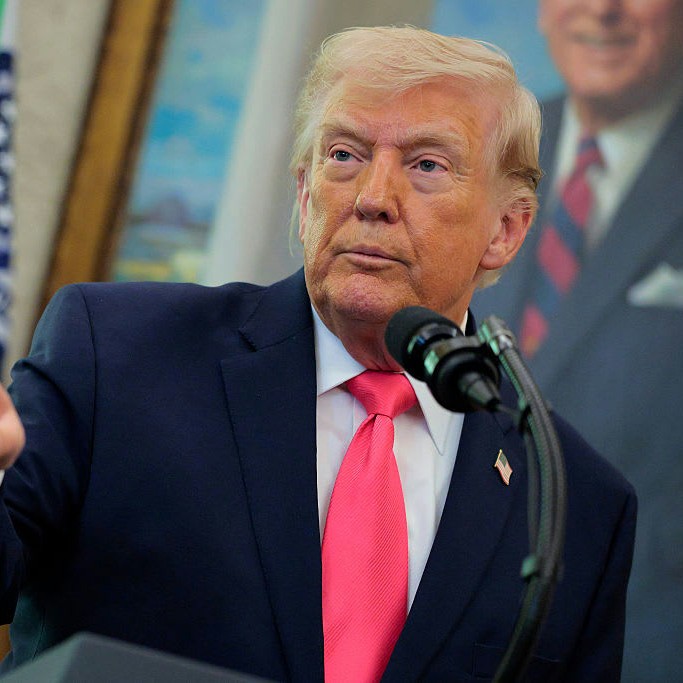
On March 14th, 2026, Trump told reporters he believed the strike was Iranian-made, offering no evidence but leaning on a familiar argument about capability. “In my opinion, based on what I’ve seen, that was done by Iran,” he said, according to CBS News.
The setting did not exactly shrink the stakes. CBS reported Trump spoke after attending the dignified transfer of six U.S. soldiers killed in an Iranian strike in Kuwait on March 1st, 2026, which put grief, retaliation, and messaging on the same flight plan.
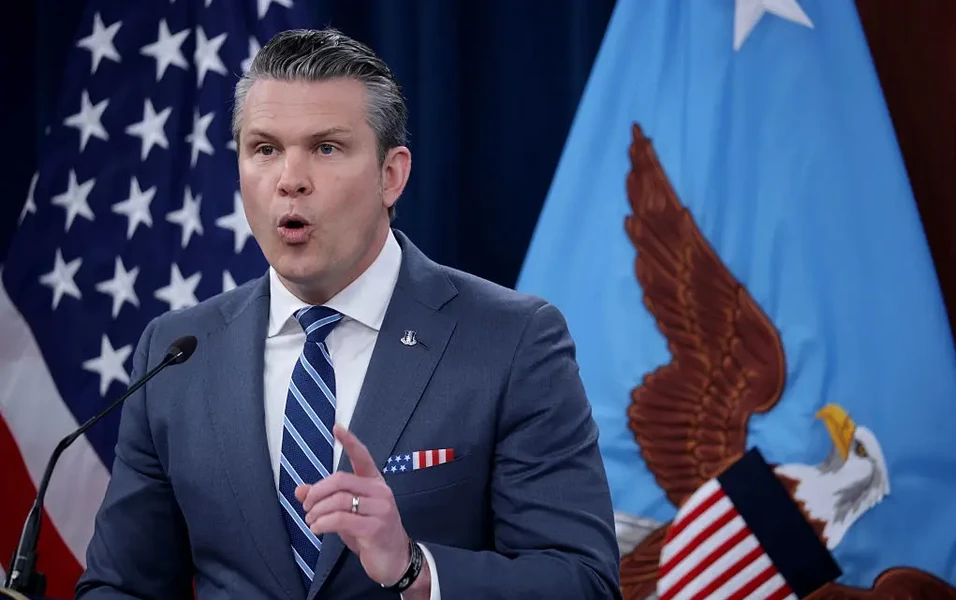
Defense Secretary Pete Hegseth, pressed on whether Trump’s assessment was accurate, said the Pentagon was investigating, CBS reported. That is the tension in plain English: the commander in chief moved to a conclusion while the department that owns the targeting data stayed in “still looking” mode.
Investigators, Allies, and a Problematic Map
CBS reported Iranian state media and health officials said the strike on February 28th, 2026, killed dozens of people, including schoolgirls ages 7 to 12. In the same report, CBS noted Iranian state media has also claimed more than 170 people were killed in the explosion.
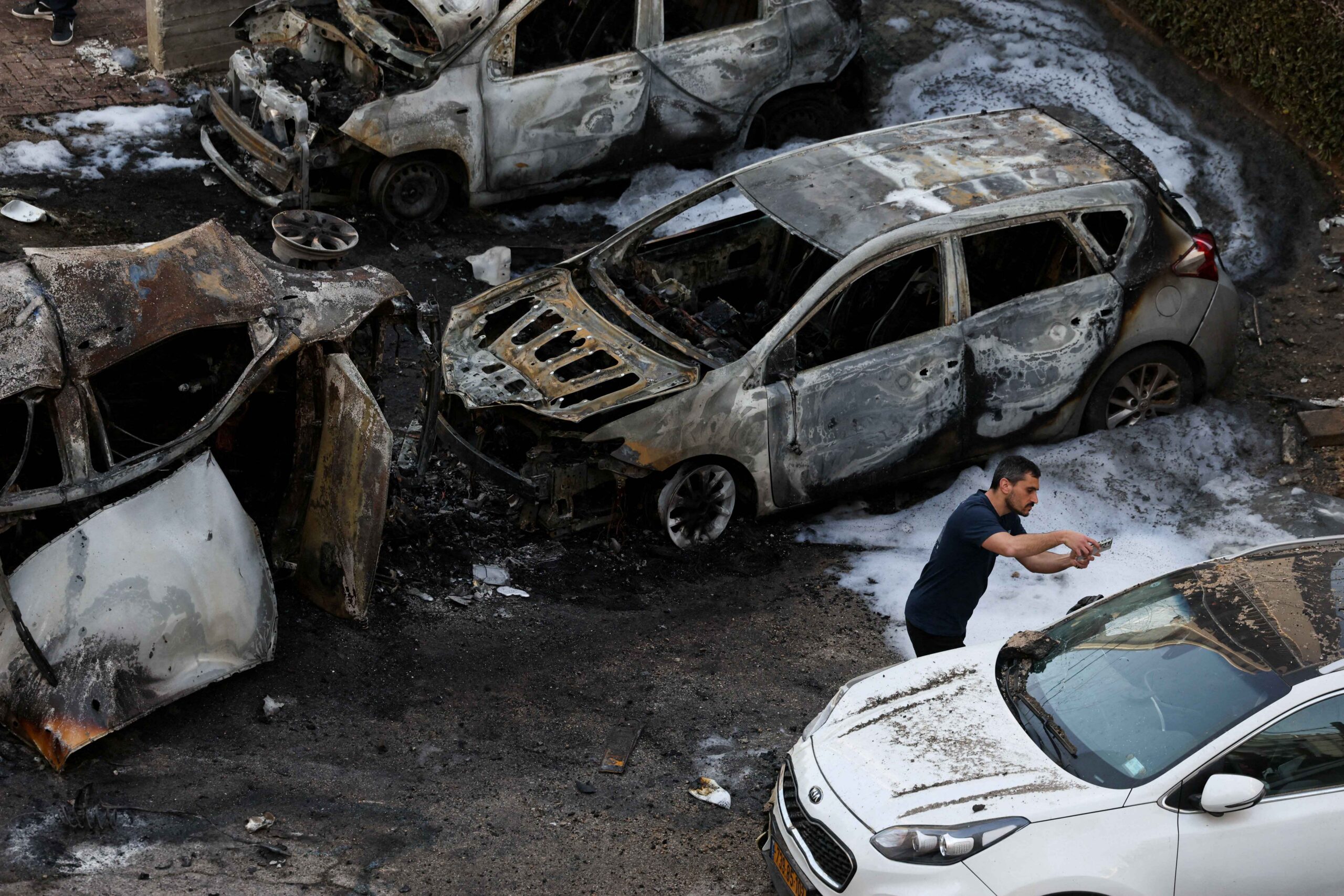
Israel, a frequent suspect in regional strikes, was pushed off the board by multiple sources speaking to CBS. Two sources told the outlet Israel was not operating in the area, and an Israeli source said the Israeli Air Force was not operating near the school.
Then came the detail that complicates everyone’s talking points. A person familiar with the ongoing inquiry told CBS that U.S. investigators believe the U.S. may have been responsible, a possibility that collides with Trump’s public certainty and Iran’s accusations.
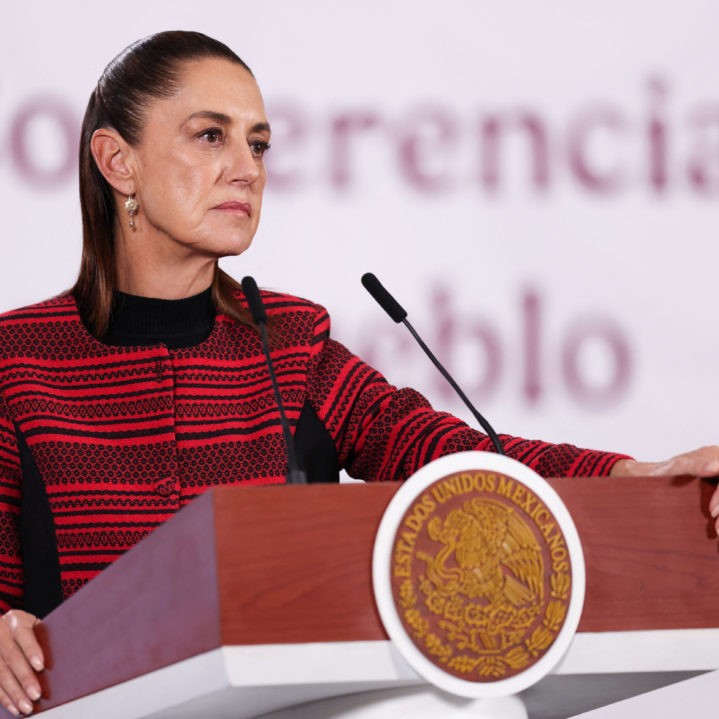
The White House, for its part, tried to slam the brakes on definitive narratives. Spokesperson Anna Kelly said, “There are no conclusions at this time, and it is both irresponsible and false for anyone to claim otherwise,” CBS reported.
Why the Narrative Matters in a New War
A civilian site hit on the war’s first day is not only a tragedy, it is a propaganda accelerant. If the strike is pinned on Iran, it bolsters the case that Tehran targets civilians. If investigators find U.S. responsibility, even accidentally, it raises legal, strategic, and alliance questions that do not stay contained to one briefing room.
For now, the public record shows a president assigning blame, a Pentagon probe still open, and a White House warning against certainty. Watch for whether investigators release a definitive account, and whether the administration’s messaging snaps into alignment once it does.