

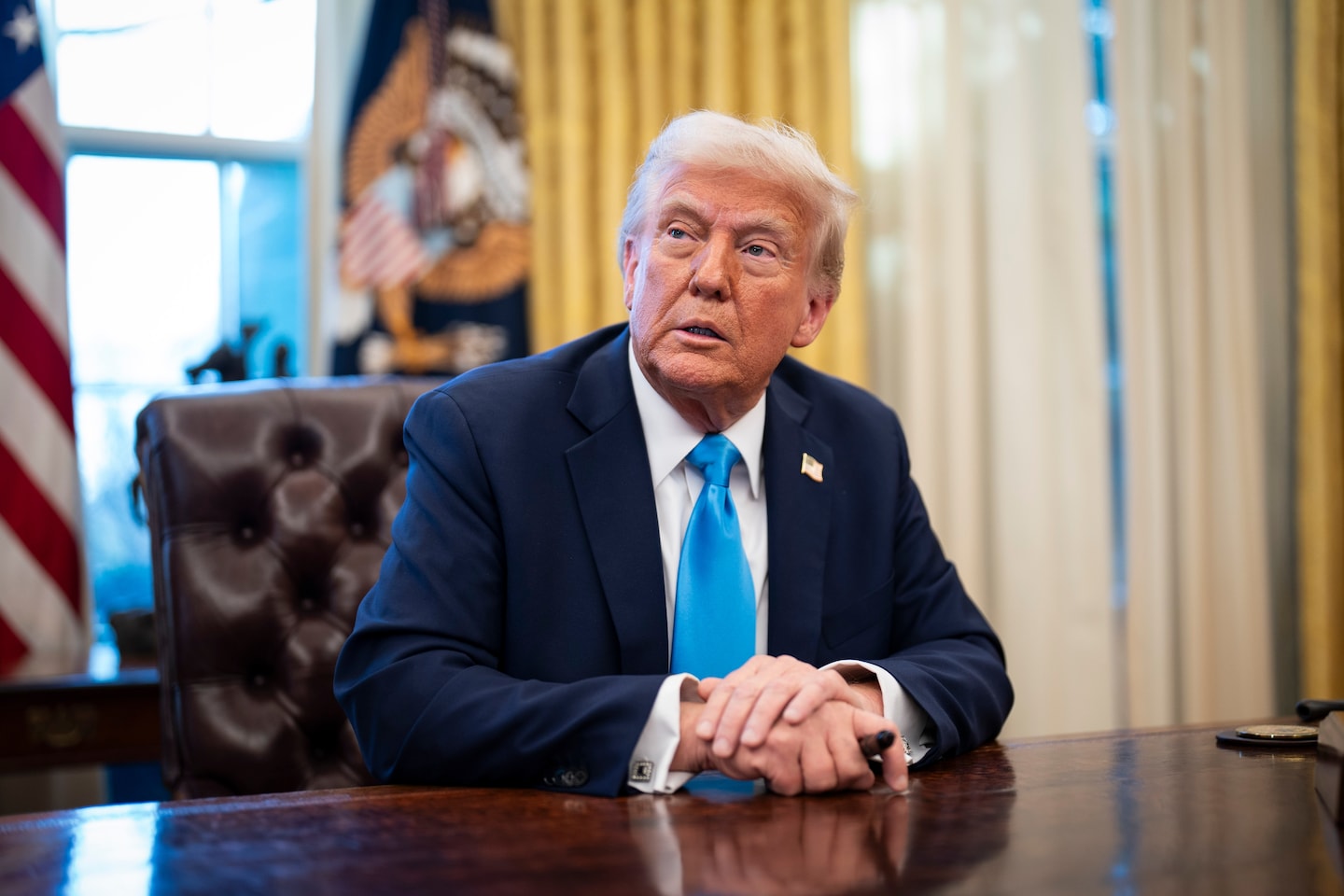
When a president talks like a landlord, countries start sounding like properties. That is the tension hanging over a new “Americast” episode that treats Cuba less like a neighbor and more like a negotiating table with a flag.
What You Should Know
In a BBC Sounds “Americast” episode published March 13th, 2026, the hosts examine President Trump’s renewed “friendly takeover” threat toward Cuba and reported U.S.-Cuba talks. The episode frames energy supplies, sanctions, and humanitarian risk as key leverage points.
The episode, titled “Is Cuba Trump’s next target after Iran?”, puts a spotlight on a familiar Trump pattern: public pressure first, diplomatic process second, and everyone else left to guess which one is real.
Hosts Justin and Anthony describe a U.S. posture that sounds aggressive on-mic, while off-mic, the machinery of government keeps moving. The show points to talks involving U.S. and Cuban officials, and it asks the question that matters in any high-stakes standoff: Is this a threat meant to land, or a threat meant to open a door?
The Leverage Play Behind the Cuba Talk
On the record, the phrase that does the damage is simple. Trump is described in the episode as renewing his threat of a “friendly takeover” while claiming Cuba is in deep trouble and that Havana is desperate to deal.
Meanwhile, the policy landscape is already built for pressure. The United States has maintained a sweeping embargo for decades, and sanctions enforcement has long been one of Washington’s most flexible tools, especially when administrations want maximum effect without firing a shot.
That is where the contradiction gets interesting. A “takeover” line plays well as dominance politics, but negotiations require something closer to mutual recognition. The episode leans into that mismatch, suggesting the public posture may be aimed as much at allies, oil suppliers, and domestic audiences as it is at Cuban leadership.
Oil, Blackouts, and a Deadline You Can Feel
The episode also frames energy as the choke point, describing how oil disruptions can cascade into blackouts that hit schools, hospitals, agriculture, and tourism. In that telling, the island’s electricity needs become the clock, and the clock becomes leverage.
It is a hard-power tactic with civilian consequences, which is why the episode repeatedly returns to the prospect of a worsening humanitarian situation. If daily life collapses, the politics of blame become another bargaining chip, and the side with more economic stamina usually gets to write the next draft.
The Back-Channel Players, and the Question of Who Gets Credit
To ground the moment in history, the show speaks with Peter Kornbluh, a senior analyst at the National Security Archive and co-author of “Back Channel to Cuba: The Hidden History of Negotiations between Washington and Havana”. His presence is a reminder that U.S.-Cuba breakthroughs have often arrived through private channels long before the podium catches up.
What to watch is not just whether talks produce a deal, but who controls the story if they do. In Trump-world, the headline is often part of the negotiation, and Cuba’s next chapter could turn on whether the pressure campaign is the policy or just the opening bid.